

Spatial Lab
Exploring how spatial intelligence can build trust in journalism, law, and history in a post-photographic age.
The Spatial Lab tracks the frontier of AI world models, Gaussian splatting, and neural radiance fields to develop frameworks for using these technologies as tools for trust.
As Spatial Intelligence emerges, we extend Starling’s novel authentication methods to meet these new challenges.


The Post-Photographic Age is here. What does that mean for trust?
World models are rapidly emerging, capable of transforming single 2D photographs into coherent, navigable 3D environments with physically accurate behavior. Today, these models are being used to train robots and create engines for new games. Tomorrow, they will fundamentally transform the future of photography.
As this technology matures, we face an unprecedented dilemma: how can we trust these synthetic environments that are indistinguishable from reality?

Highlights from across Spatial Lab
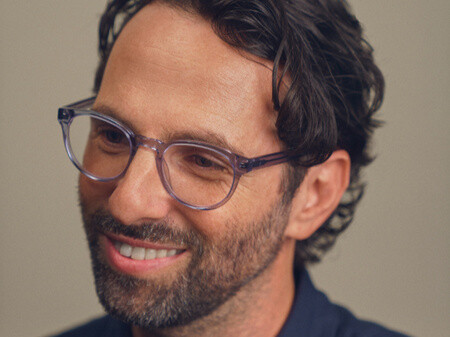
Welcoming Fred Grinstein as a 2026 Starling Lab Fellow
We are delighted to announce that Fred Grinstein has joined Starling Lab as a 2026 Fellow, where he continues his research at the…
Immersive Worlds for Documentary Filmmaking
Artificial intelligence is increasingly sophisticated in creating, understanding, and interacting in 3D environments. Also known…
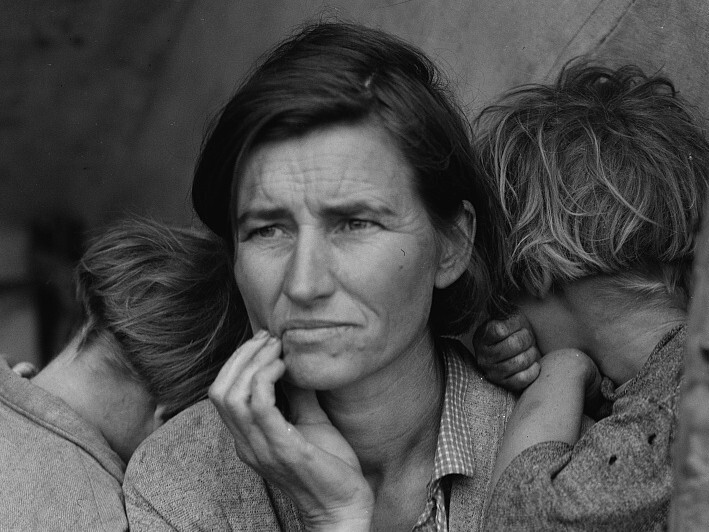
The Post-Photographic Age Is Here. What Does That Mean for Trust?
For over 180 years, photographs have served as evidence. A photograph was understood to be a mechanical recording of light that…
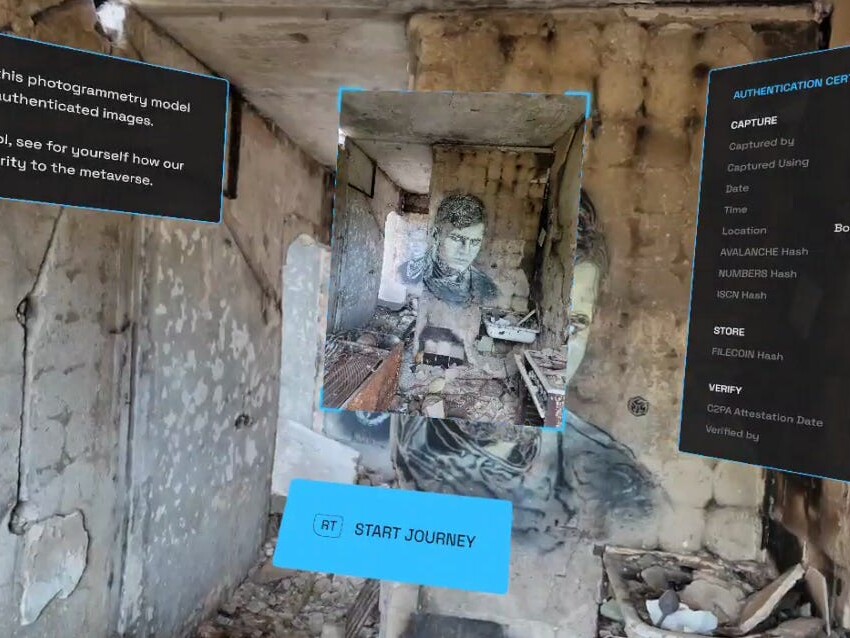
Exploring Authenticity in NeRF and Gaussian Splatting
Why researchers must explore “authenticity” in realistic VR technologies like NeRF and Gaussian Splatting
Framework
How can we establish trust as Spatial Intelligence pushes the boundaries of photography? We apply our novel framework to secure imagery throughout complex AI pipelines.
CAPTURE

We create a root-of-trust for the initial seeds of a spatial media pipeline to preserve the authenticity of the original images that create new worlds.
STORE

Media and metadata for spatial imagery need to be preserved to create a ground-truth of any AI-generated scene.
VERIFY

Content credentials and new UX elements can communicate the authenticity and provenance of spatial images.
Spatial Intelligence and World Models
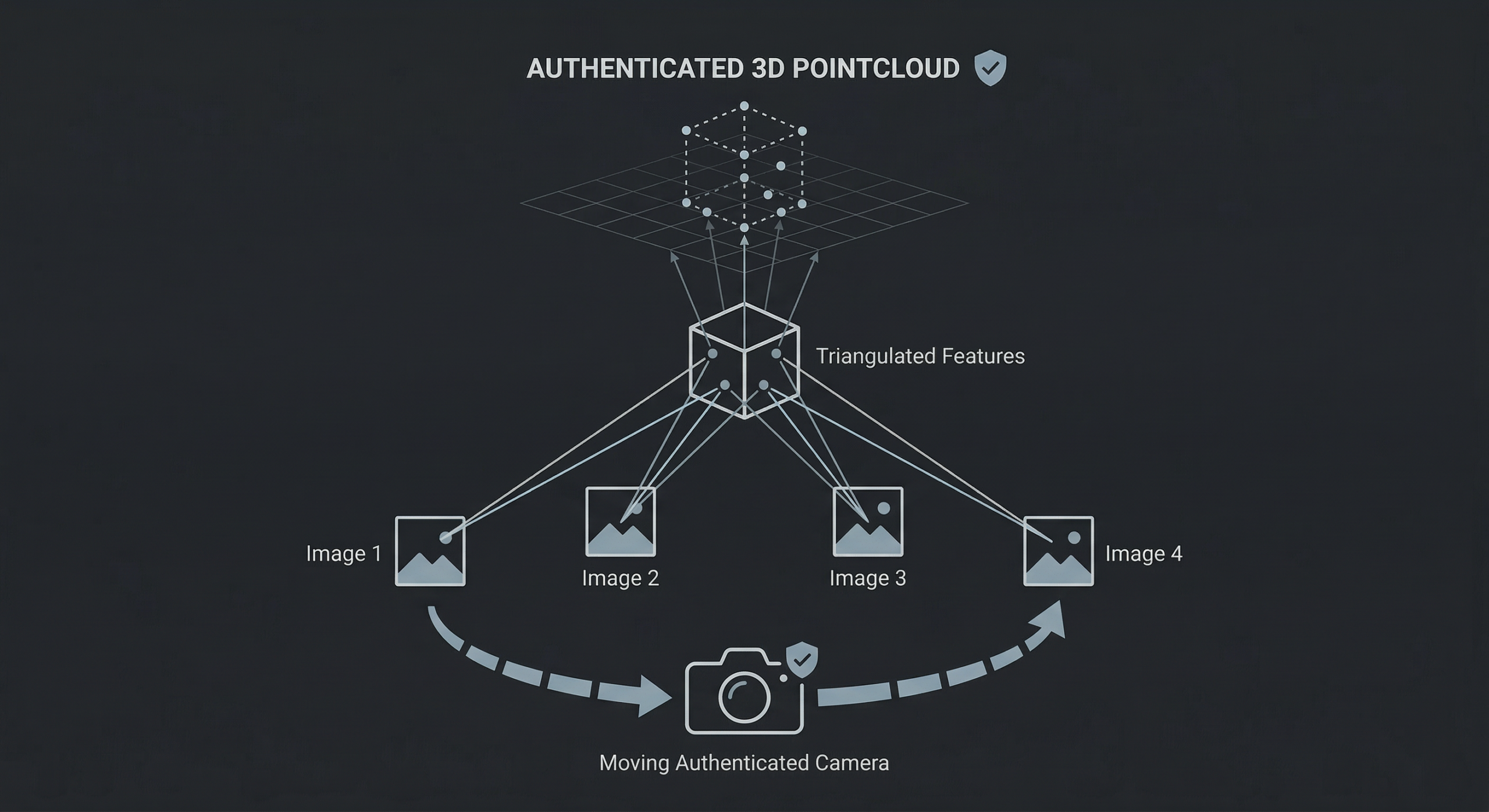
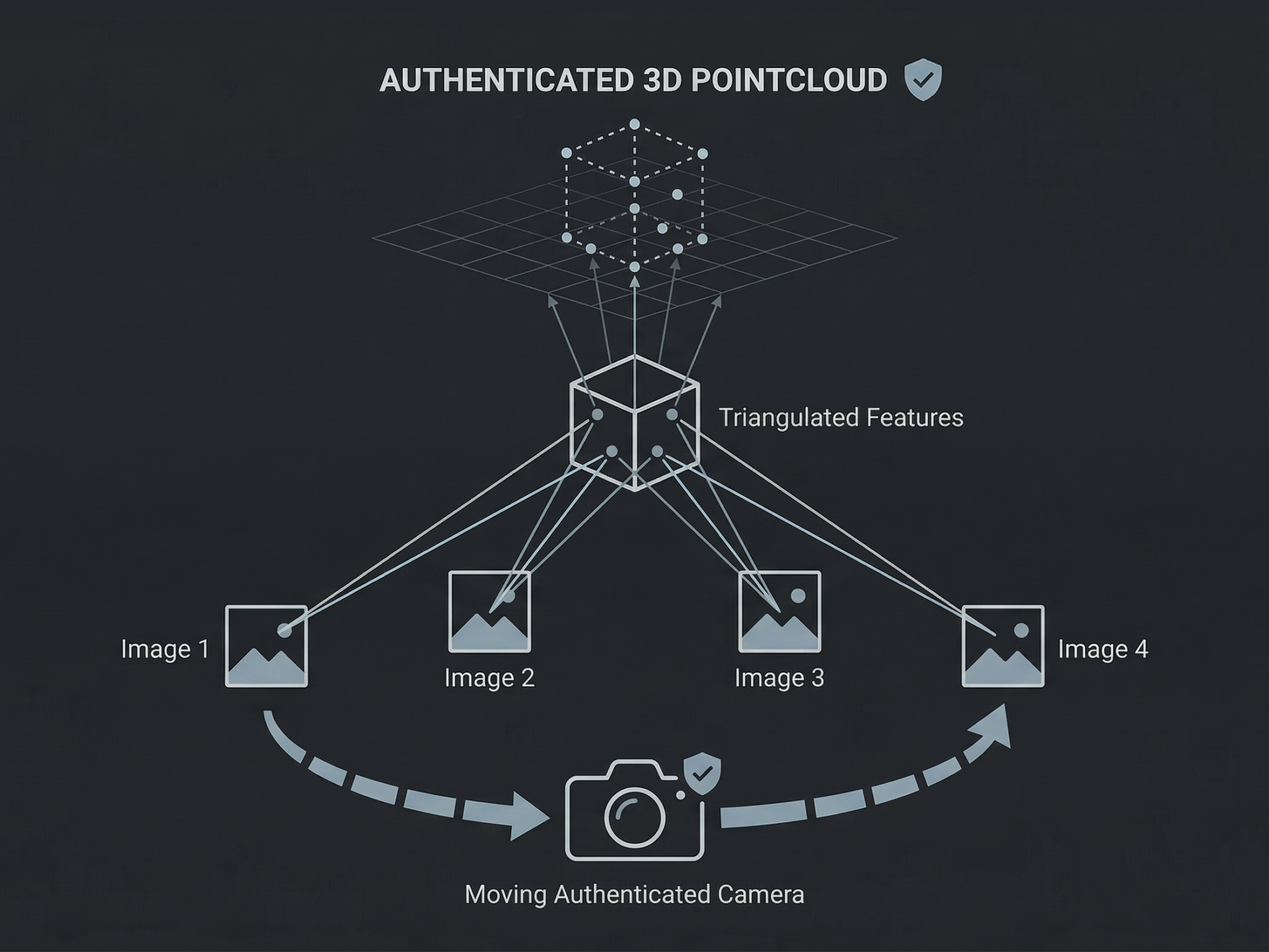
We are extending the Starling Framework to spatial media, embedding cryptographic provenance from capture through the 3D reconstruction pipeline. Our goal is to create standards that augment spatial AI and ensure it can be a powerful tool for understanding and education.
When these new immersive interfaces enter courtrooms, classrooms, and newsrooms, their integrity must be beyond question. By anchoring new attestations of identity, timestamp, and location within a tamper-evident chain, every point cloud and immersive scene carries a secure record of its origin and allows readers to verify its authenticity.
In an era of synthetic media, provenance is not a feature; it is an enduring foundational commitment to trust.
Each year, Starling Lab welcomes journalists, technologists, and researchers working at the intersection of spatial media and trust.




Team
Mike Caronna
Deputy Director
Fred Grinstien
Executive Producer & Content Strategist, Los Angeles, U.S.A.
Maciej Zemojcin
AI film technology creative advisor