

Law Lab
Introducing digital evidence standards and methods for the future of investigations.
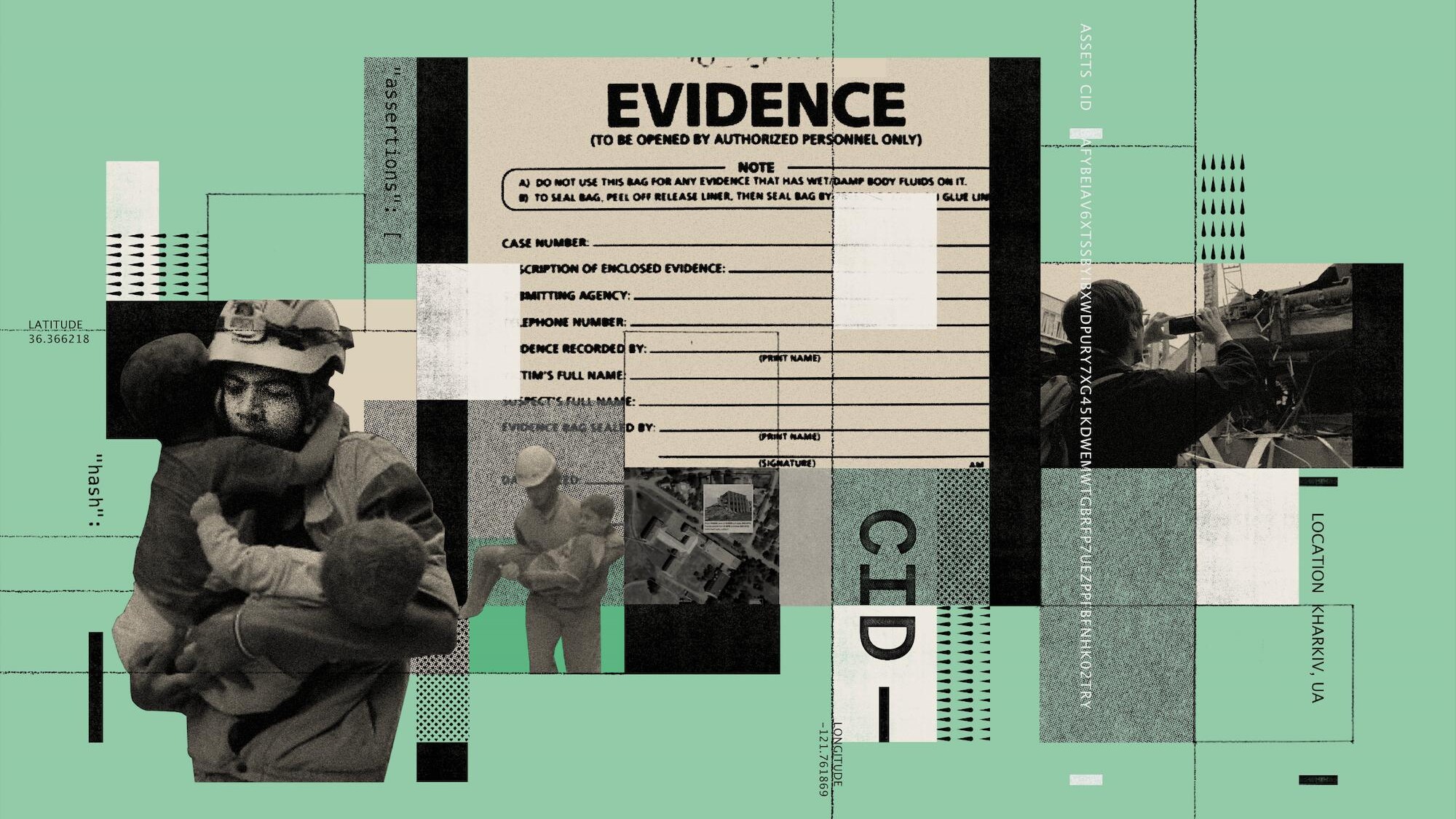


Starling supports legal practitioners and human rights defenders in recording and investigating reliable and trustworthy digital evidence.
Citizens from around the world gather digital evidence each day to seek justice, but these critical digital records can disappear forever as content is deleted from online platforms. The remaining photos and videos can face admissibility and reliability challenges from courtrooms. The coming wave of generative AI content could further undermine the very core of trustworthy evidence.
What We Do For Lawyers
We support accountability proceedings by helping address the inherent vulnerability of digital evidence.
Real-world investigations
We deploy in the field, from war zones to courtrooms to develop novel, authenticated evidence bases, and aim to test future admissibility standards for digital evidence in courts and with prosecutors.
Case studies
We reflect and analyze with legal experts and academics on how Web3 technologies can support new evidentiary procedures. A heavy emphasis is placed on authenticating open-source intelligence (OSINT) investigations that are the most vulnerable to attack.
Trainings and best practices
We bring together legal experts and technologists to test ideas around digital evidence standards through workshops, seminars and conferences.
Highlights
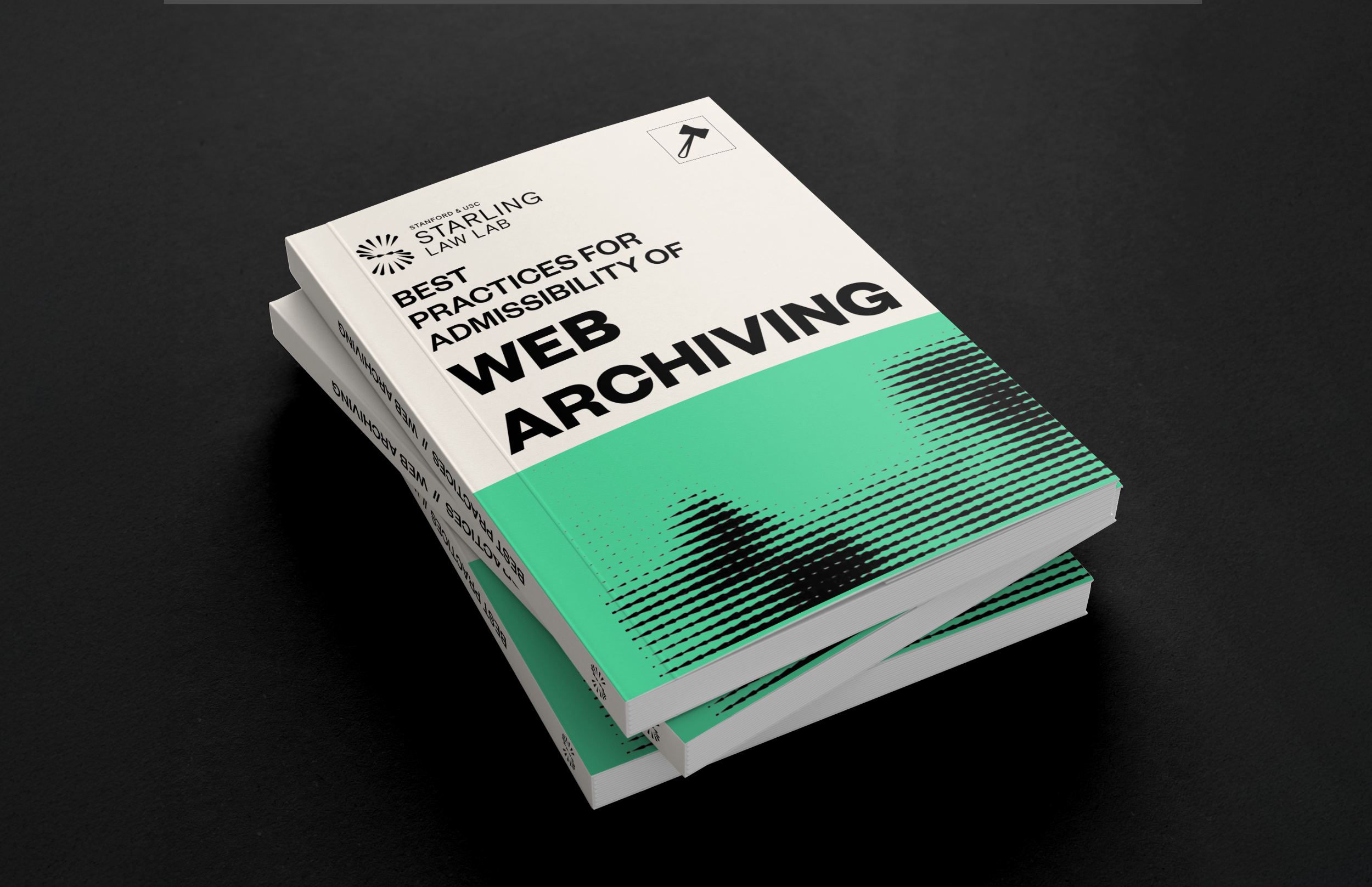
Publication of our whitepaper on Best Practices for Admissibility of Web Archives
Screenshots aren't enough. Secure court-ready web evidence with verifiable metadata, hashing, and an unbreakable chain of custody.
What We're Thinking About
Framework
How can we address accountability and legal accountability issues around international criminal legal applications of authenticated data? Our Lab applies a framework for securely documenting evidence of crimes:
CAPTURE

Secure original and open-source evidence by promoting strong, contextualizing metadata and provenance markers, aiming for maximal probative weight. Support ML analysis for relevance and patterns of crime, while maintaining anonymity when necessary.
STORE

Preserve digital evidence from risks of damage, tampering, loss, and deletion – with strong integrity and custody for the long term. Protect collections from the field from loss-of-custody challenges such as network blackout or seizure during exfiltration.
VERIFY

Support legal verification practices and lead the way in addressing admissibility and authenticity challenges of open source digital evidence. Lead the establishment of a collective, collaborative record led by international accountability mechanisms.
Highlights, Case Studies, and Projects

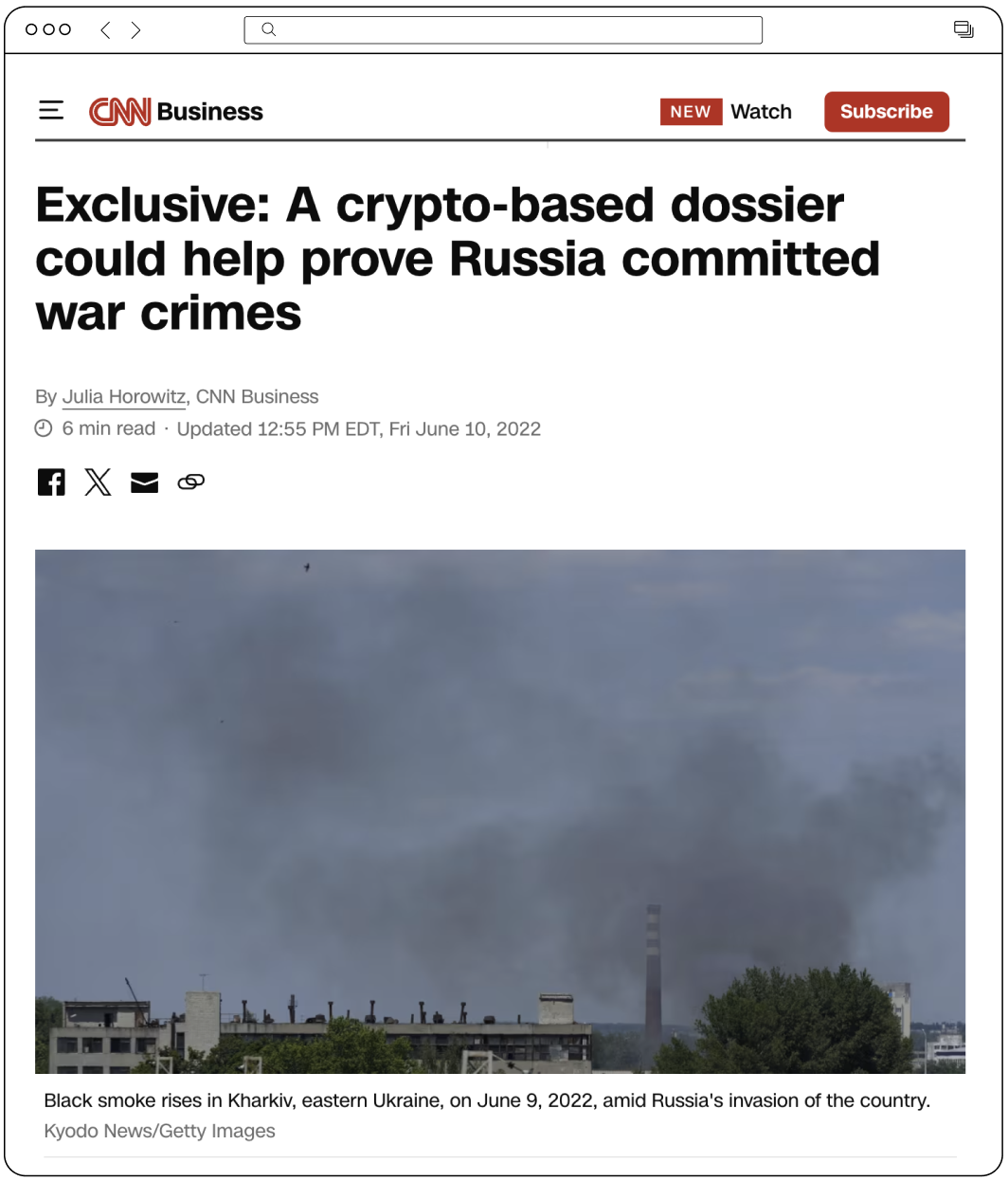
New Evidence Techniques Document Bombed Ukrainian Schools For ICC
After Kharkiv’s schools were shelled in March 2022, Starling Lab submitted an investigation to ICC prosecutors. This communication, based…
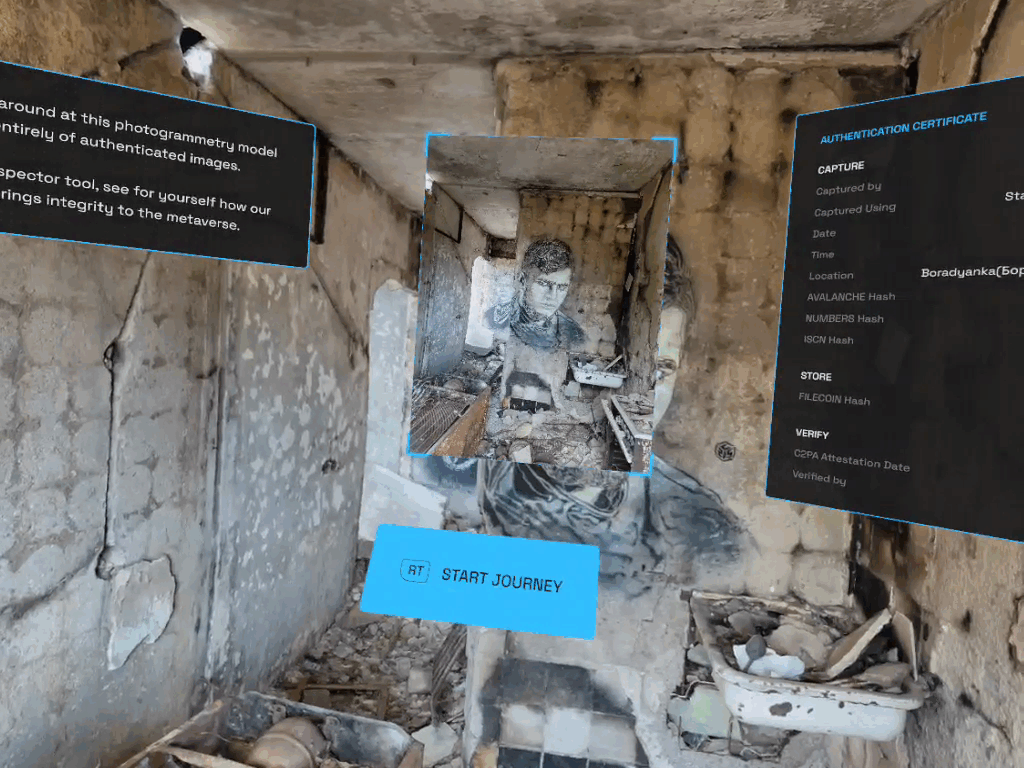
Authenticity in XR Spaces for Rapid Documentation
How much should we trust a VR reconstruction? We bring the original, authenticated photographs and metadata front and center in 3D. You…
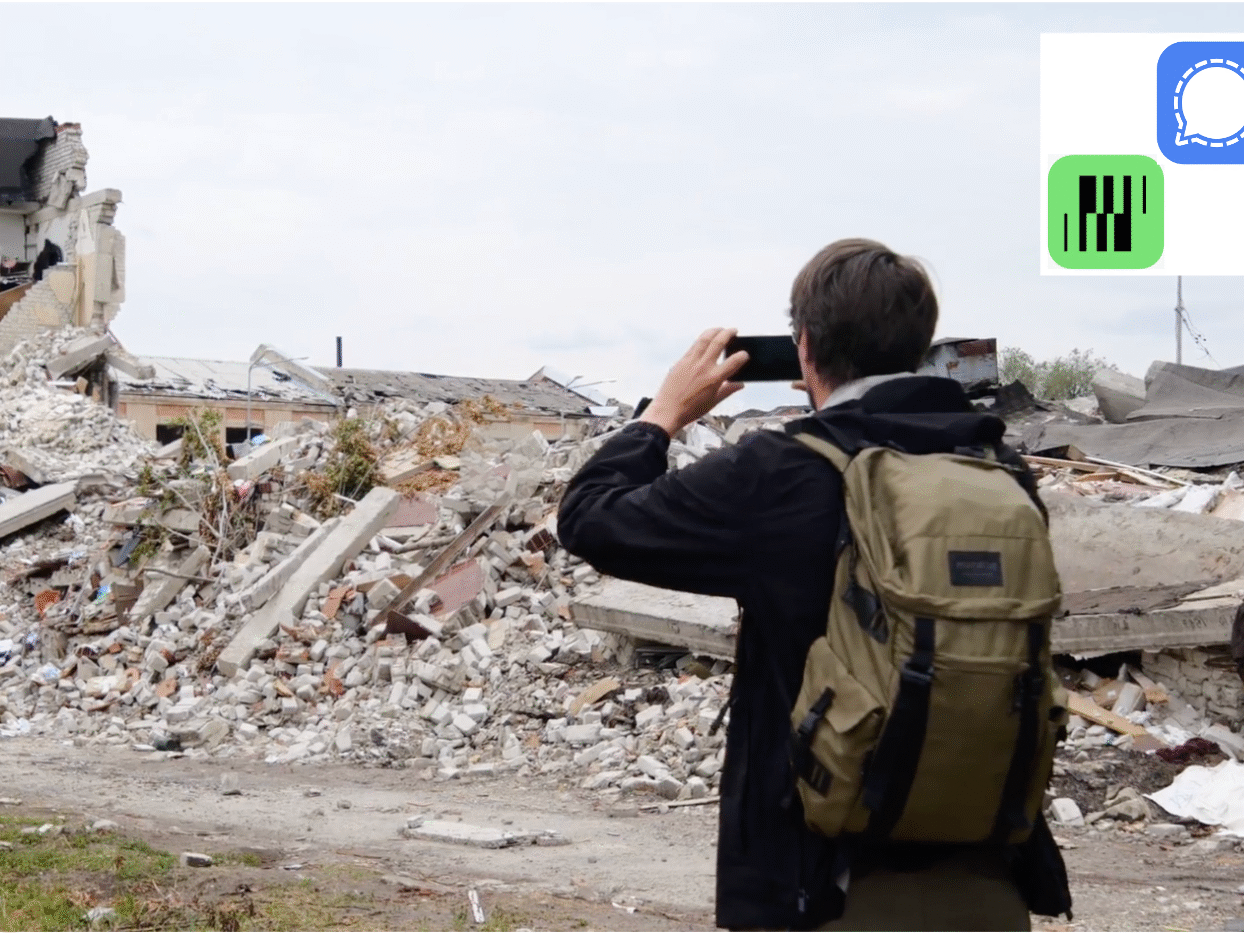
The Proof’s in Your Pocket: Proofmode inside Signal
What could authentication data look like in your favorite messaging app? We built an easy-to-deploy secure camera for crowdsourcing…



Themes and Forums
Our work focuses on safeguarding records for international accountability, including the International Criminal Court, the legal mechanisms of the United Nations, and countries invoking universal jurisdiction. In these settings, we concentrate on upholding the probative weight of digital media against claims of being deepfakes, as well as on supporting complex verification workflows.
We also focus on admissibility and evidentiary standards in the U.S. federal system – notably as these rules relate to authentication of evidence, exceptions to hearsay, and supporting a network of expert witnesses to tackle these challenges.
In both settings, we aim to effect change through the production of cases built on strongly-authenticated and novel evidence bases. We patiently and clearly ask the practice to reckon with the challenges of fast-moving technical innovation.
OSINT and Web Archiving
OSINT evidence (as one for which the author is not available to testify) presents unique authentication challenges. We work with leading archivists at the Harvard Law Library and Webrecorder to maximize the admissibility and weight of the evidence that will make or break the cases of tomorrow.
Novel Testimonies
We design new protocols to collect evidence in the field, and we archive collection of crucial testimonies for accountability and post-conflict resolution. Our work trials supervisory testimony enabling independent authentication, as well as situated testimony in support of victims in 3D and extended reality spaces.
At One with Practitioners
Our process starts by understanding existing workflows, legal requirements, and the problems practitioners are trying to solve. We attempt to incorporate novel techniques that layer on while respecting established laws and regulations – as well as established uses and practices.
Supporting Ukraine: Project Dokaz

A collaborative civil society project, following the concept of Track Two Accountability, leveraging resilient and secure decentralized technologies to document and preserve war crimes committed during the Russian invasion of Ukraine.
Our team has submitted an Article 15 complaint to the International Criminal Court related to the destruction of schools, and filed several investigations to UN agencies related to breaches of the rights of children. All investigations relied on open source intelligence (social media) using decentralized storage and blockchain registration.
Dokaz aims to support the building of novel evidence bases and their grounding in international law settings, so that in our uncertain world of changing technological landscape and evolving legal settings, the evidence of today may be preserved for the tomorrow.
Team
Basile Simon
Director, Law Program and Special Projects
Fellow, Stanford Electrical Engineering
Beth Van Schaack
Ambassador-at-Large for Global Criminal Justice, State Department
Founding Faculty Supervisor (emeritus)
Ashley Jordana
Director of Accountability
Hala Systems
Scott Martin
Founder, Managing Director
Global Justice Advisors
Stephen Sharp Queener
Associate, 2024
Stanford International Relations, Fulbright Scholar
Mackenzie D Austin
Associate, 2022
Stanford Law School, JD 2022
Ropes & Gray LLP
Pro bono advisers