History Lab
Starling brings together historians, archivists, and documentarians with engineers to ensure digital records can stand the test of time.
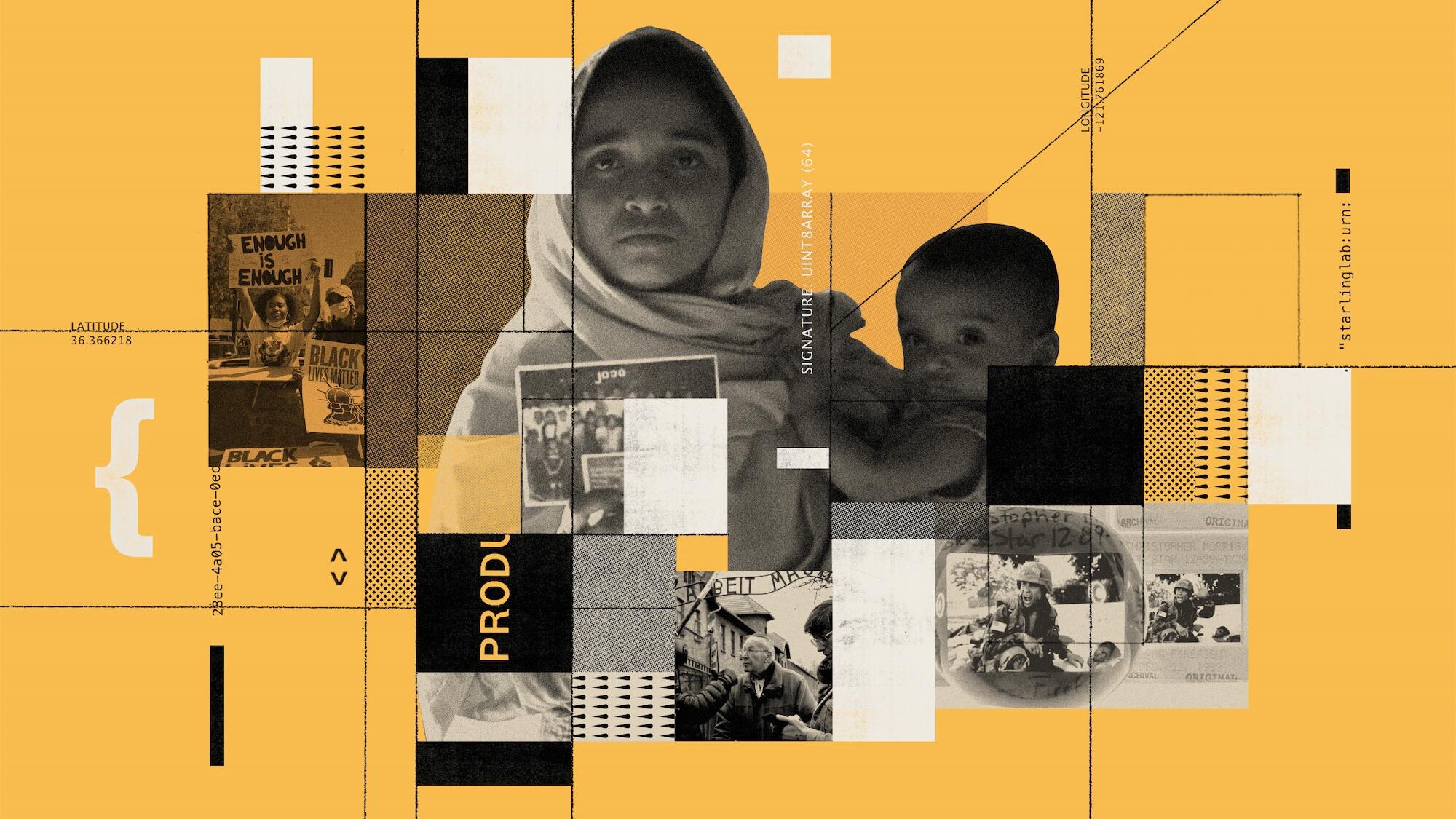


Starling Lab is preserving humanity’s most important records.
The internet now holds the collective memory of our civilization. Yet it is at risk every day. From complex adversarial AI campaigns to deepfakes to basic hardware failure and neglect, digital assets are increasingly vulnerable.
A New Storage Array at USC Digital Repository

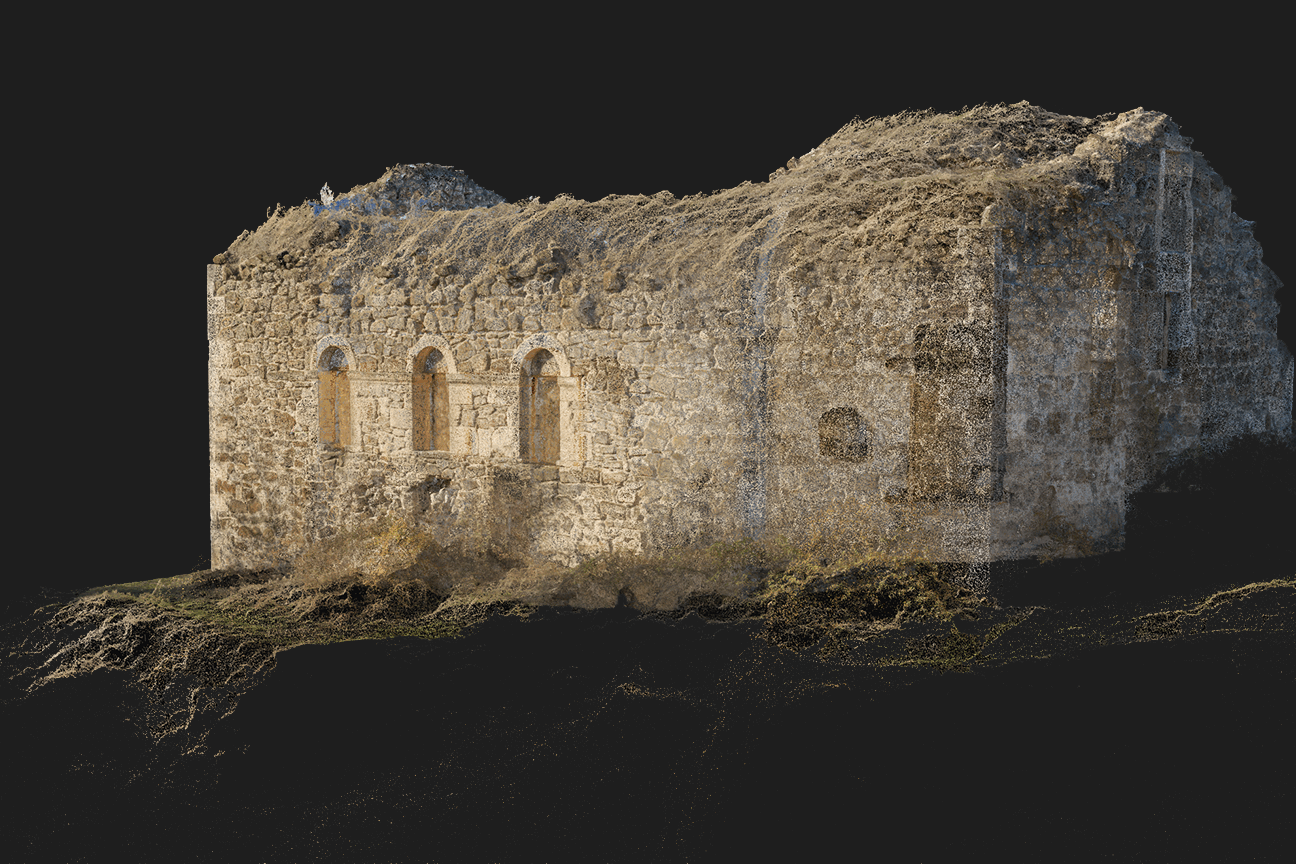
Starling Lab runs the first academic Filecoin storage node, a groundbreaking offering from the USC Digital Repository. Using the latest advances in cryptography, we are pioneering new methods to safeguard the integrity of large-scale collections to overcome the challenges poised by AI. The initial Starling collections include parts of the USC Shoah Foundation’s Visual History Archive and 3D/VR scans of historical sites, and multiple photojournalism projects.
The Archive Accelerator
The accelerator is a multi-day bootcamp offering non-technical audiences the introduction they need to understand, evaluate, and potentially adopt Web3 storage technologies. It covers considerations like data properties, lifecycle, access, privacy, authentication, and more.
What We're Thinking About
Framework
The Starling Framework helps prototype comprehensive workflows to address the challenges of AI. Together, we aim to reduce information uncertainty by protecting vulnerable photographs, video, data and documents. There are three steps to our method:
CAPTURE

How can we embed authenticity metadata as records are digitized?
STORE

Can petabytes of information survive for generations if we put them on the decentralized web?
VERIFY

Can new content credentials allow experts to contribute metadata to build full context for historical records?
Highlights

Case Studies
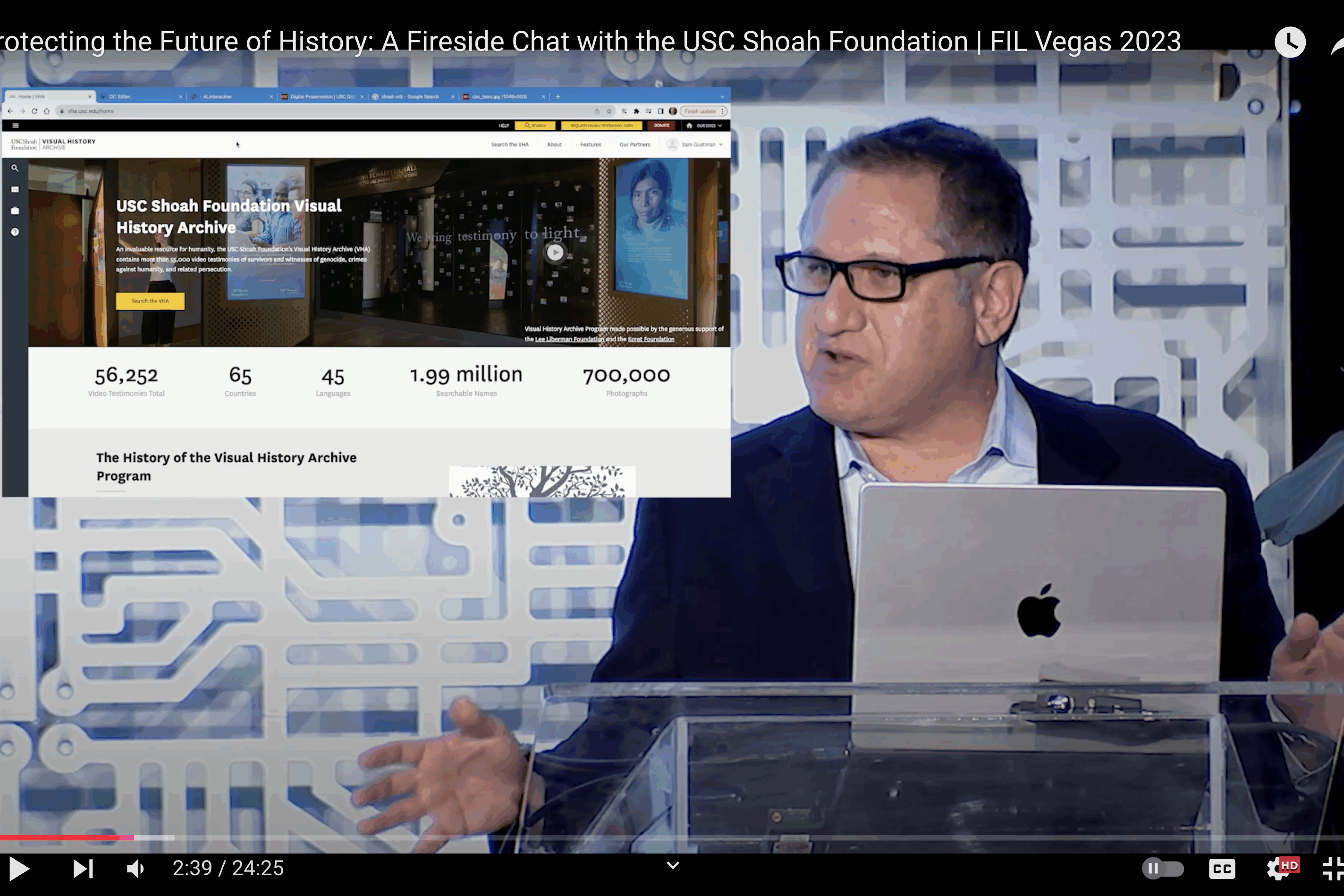
Preserving the Shoah’s Memory with Web3
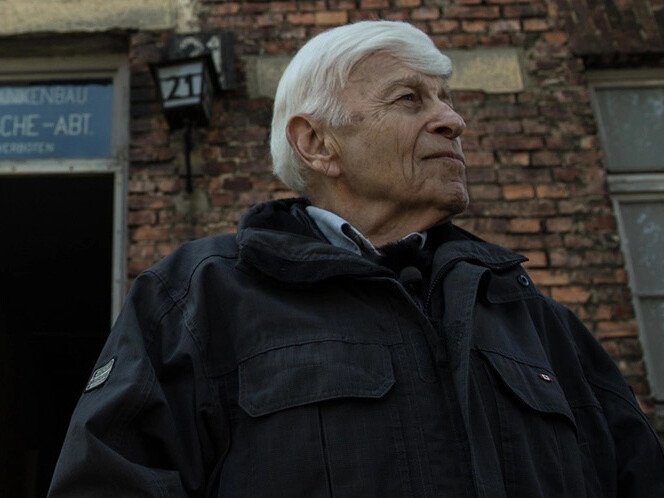
The USC Shoah Foundation’s Visual History Archive holds over 55,000 video testimonies from survivors and witnesses of the Holocaust.

The Single Paved Line Threatening the Achuar People
The Achuar community of Copataza is defending its ancestral land against illegal logging, cultural shifts, and powerful economic forces.
Beyond the Blackout: Documenting Atrocities in Tigray’s Forgotten War
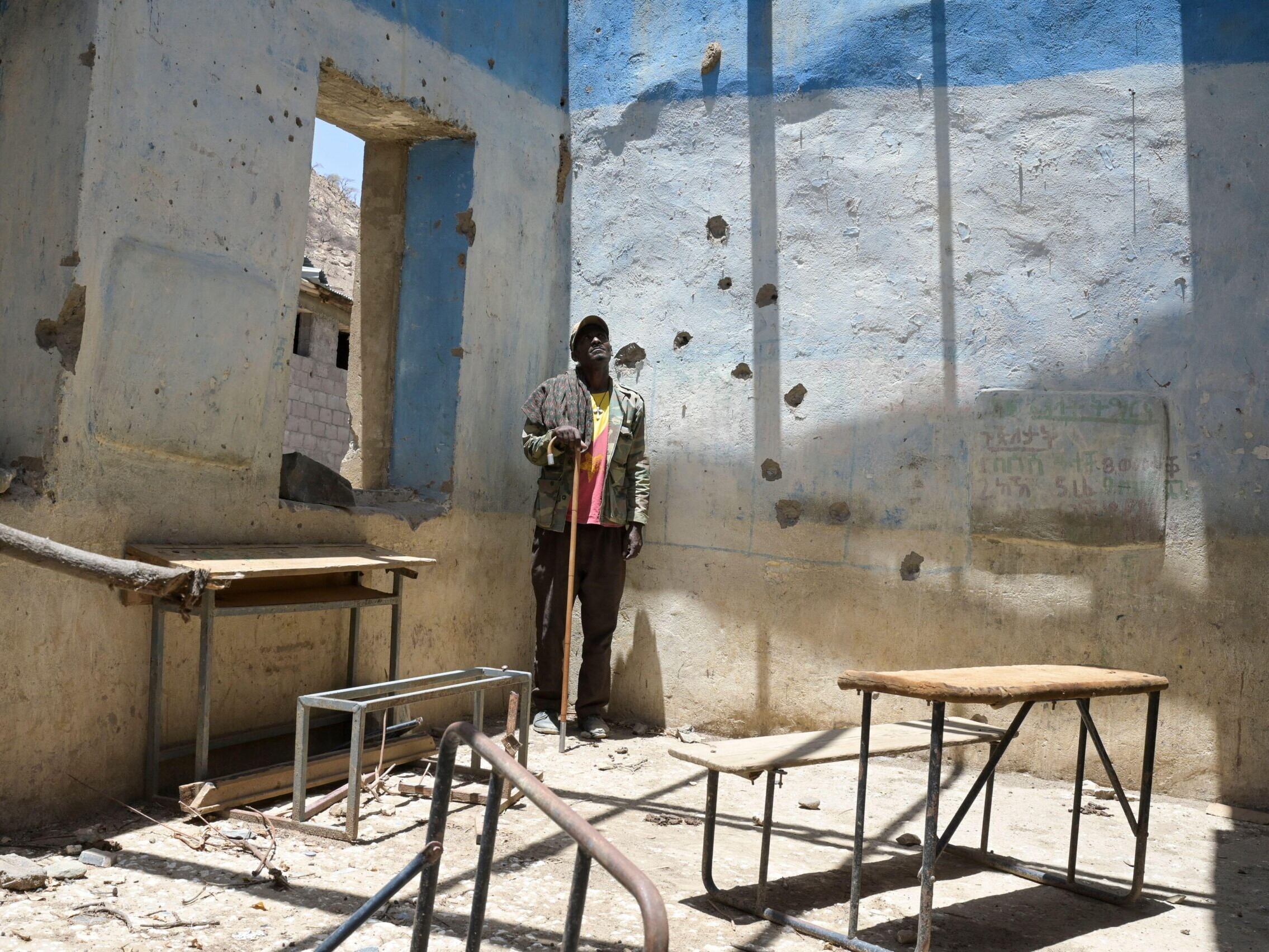
Despite severed communications and infrastructure destruction, local journalists and healthcare professionals risked their lives to collect fragile digital and analog evidence of the 21st century's deadliest conflict.

What to Get Right First
Rebecca MacKinnon argues that Web3 has a unique opportunity to avoid Web2's human rights failures by embedding ethical considerations into its technology and governance from the start, rather than repeating the myth of "technological neutrality."
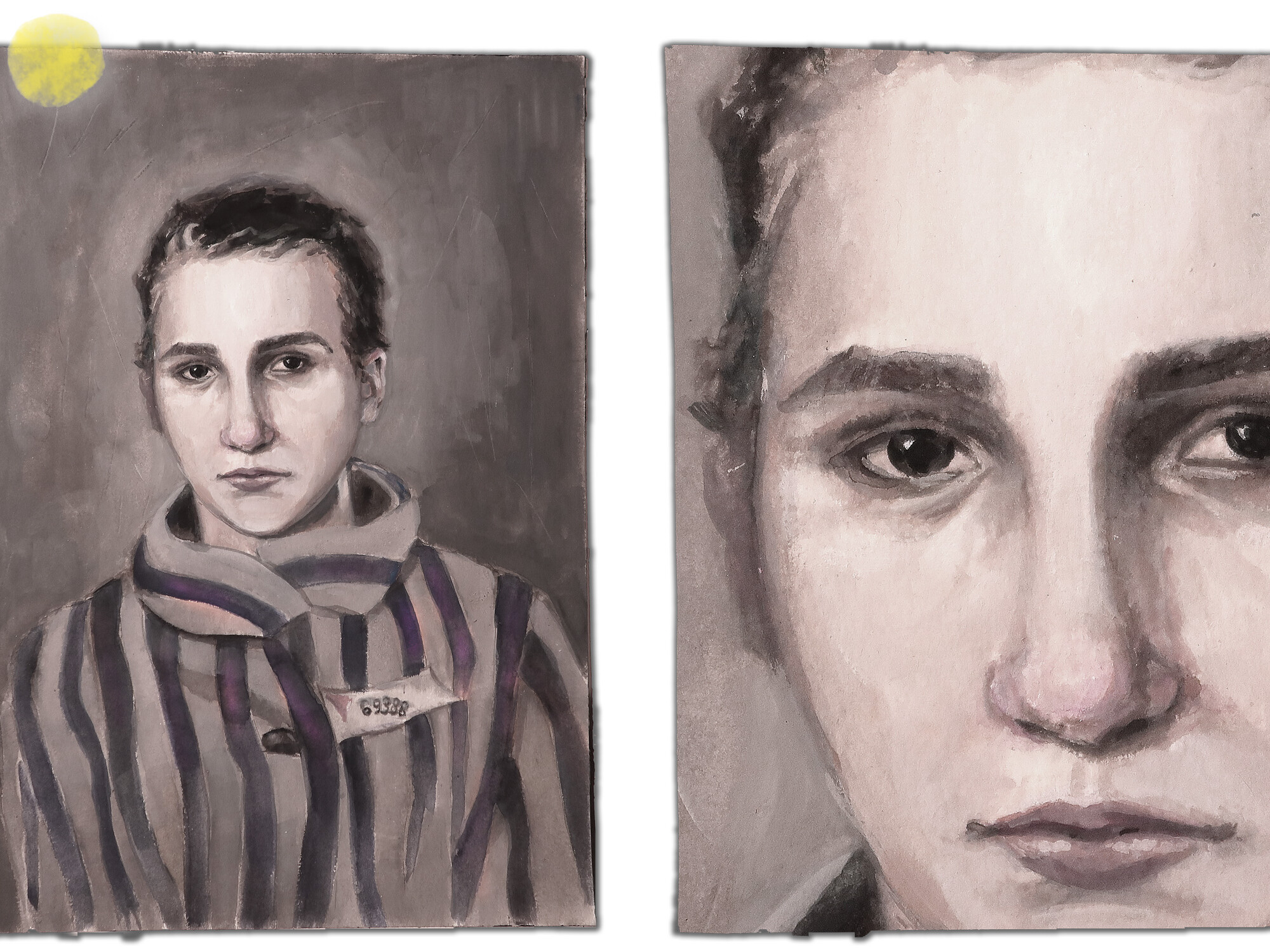
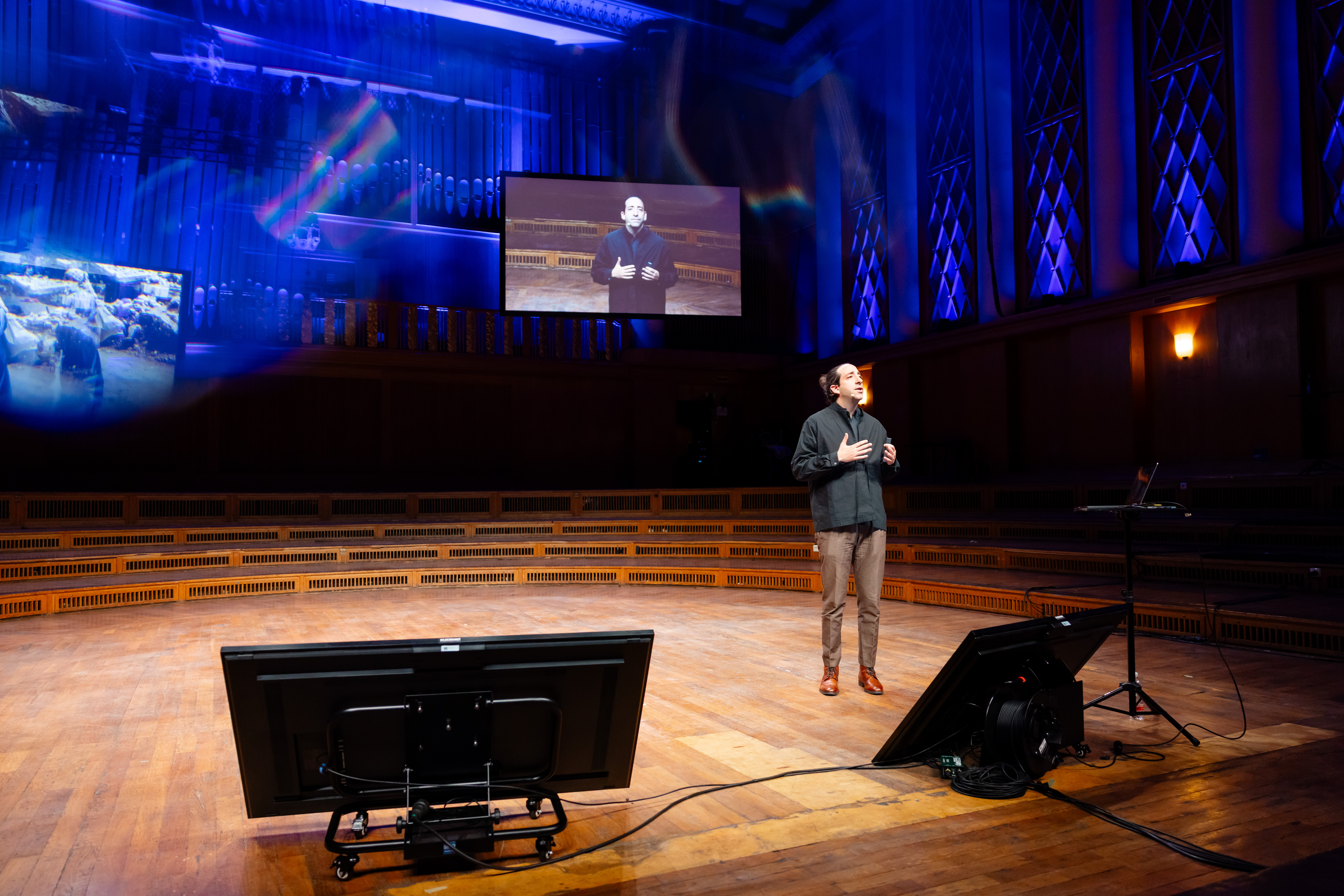
Anita Case Study
In 2021, the Starling Lab and Yo-Yo Ma worked together to preserve the testimony of Holocaust survivor Anita Lasker-Wallfisch. This groundbreaking prototype became the historical record loaded onto the decentralized web. Watch the full case study as presented at the UNFINISHED LIVE conference in September 2021.