

The Single Paved Line Threatening the Achuar People
The Single Paved Line Threatening the Achuar People
How the Achuar community of Copataza is defending their ancestral territory against the illegal logging, cultural shifts, and economic forces that accompany a new highway.
Reading Time: 5min


Contents

Background
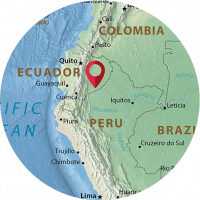
In the heart of the Ecuadorian Amazon, the Achuar people – a community of approximately 6,000 – have long stood as guardians of their ancestral territory. For the Achuar, the jungle is not merely a resource; it is the foundationthat molds their culture, spirituality, and daily survival. However, this deep connection is under constant siege. Since the Spanish conquest, the vast resources beneath the Amazon floor have attracted juntas and corporations alike, subjecting Indigenous peoples to a centuries-old fear of expulsion.
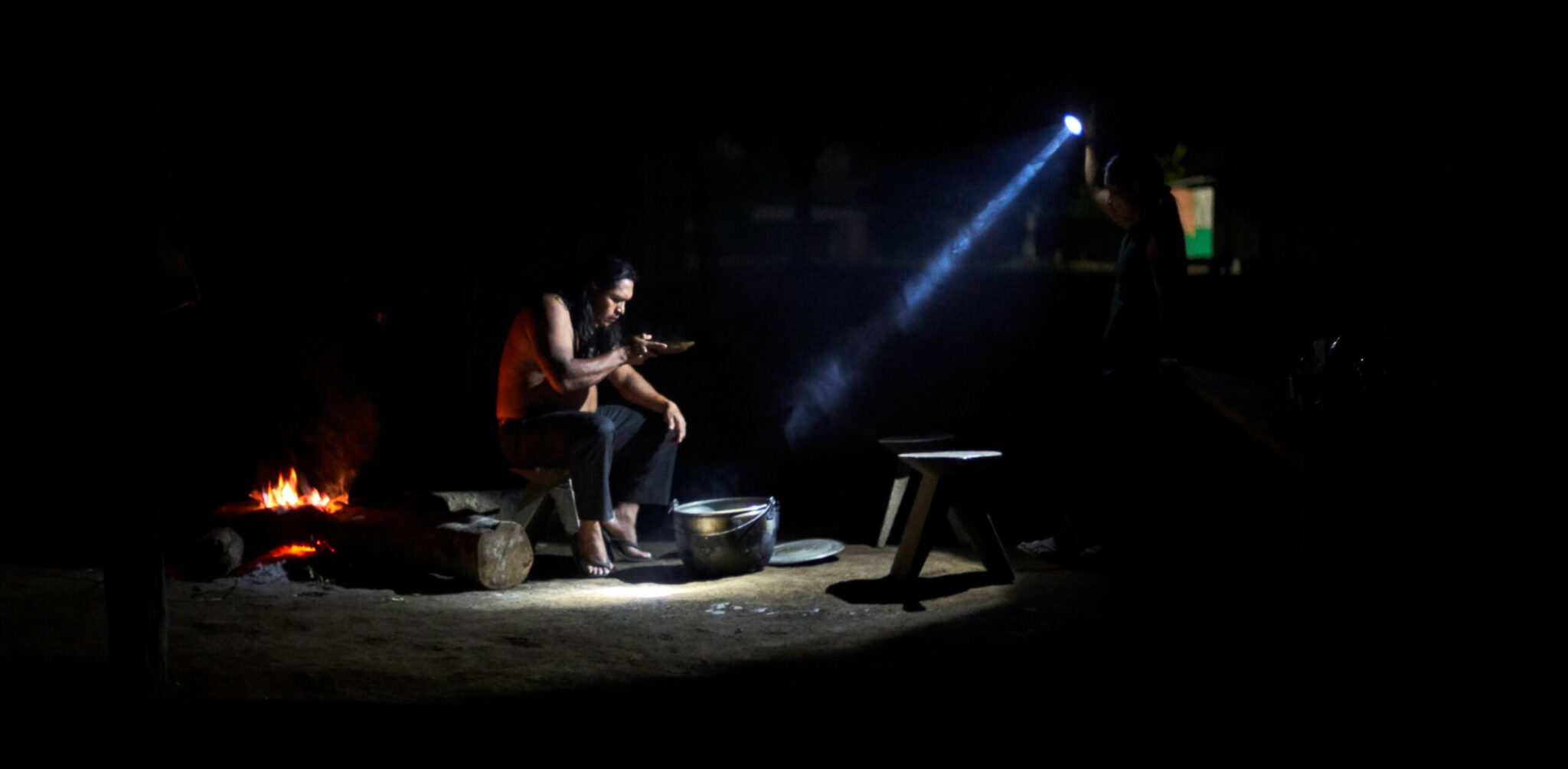
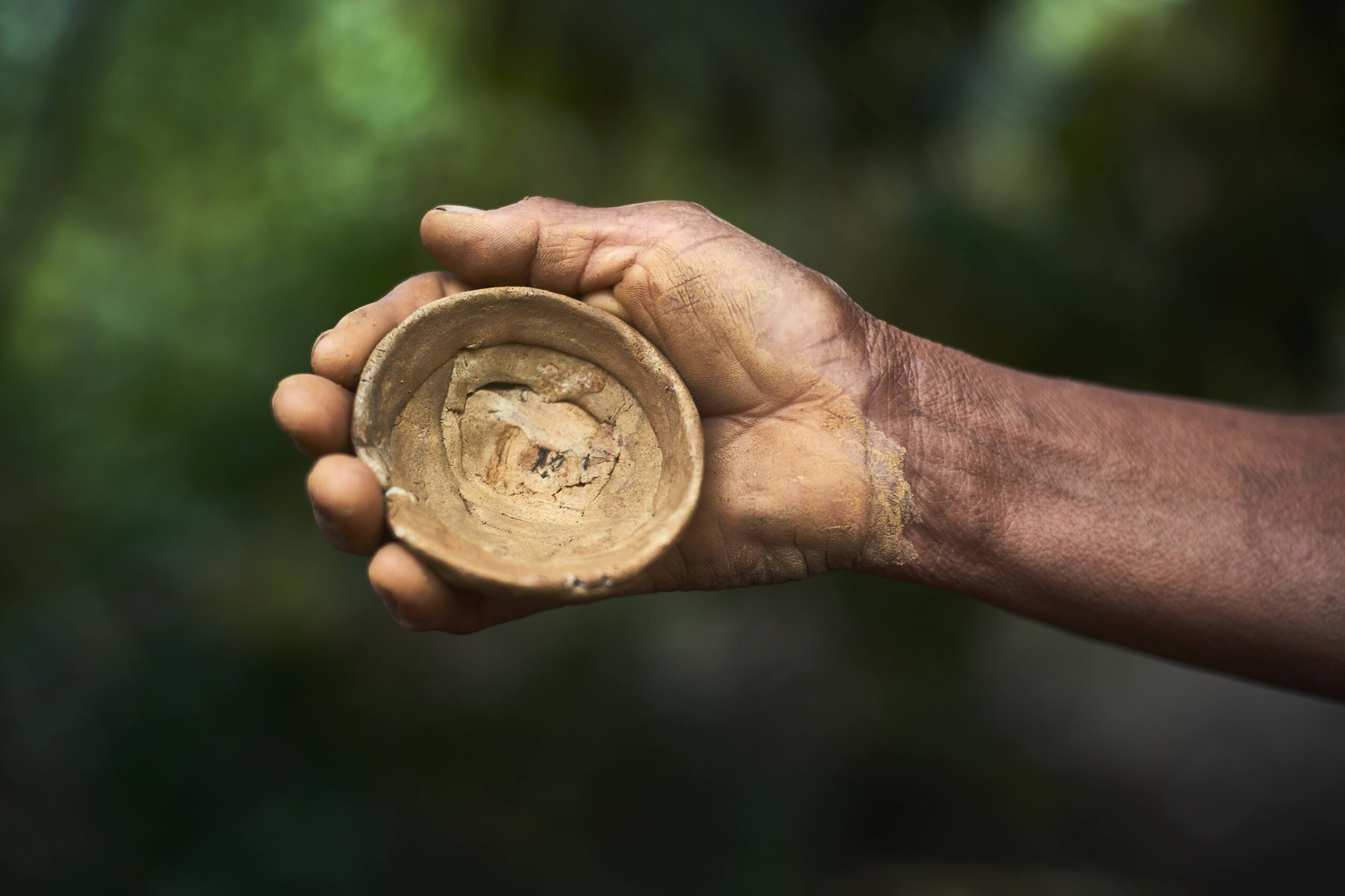
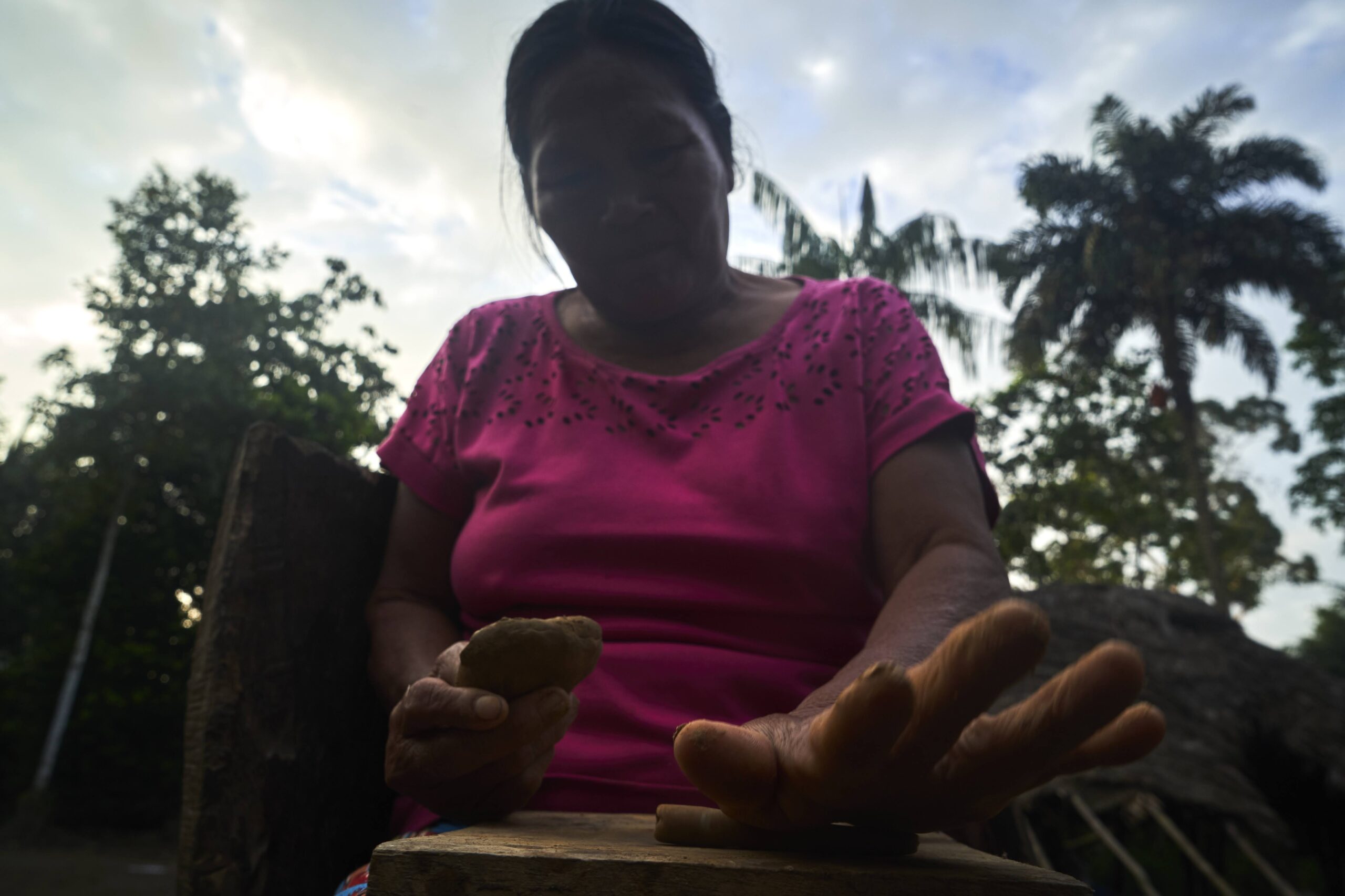
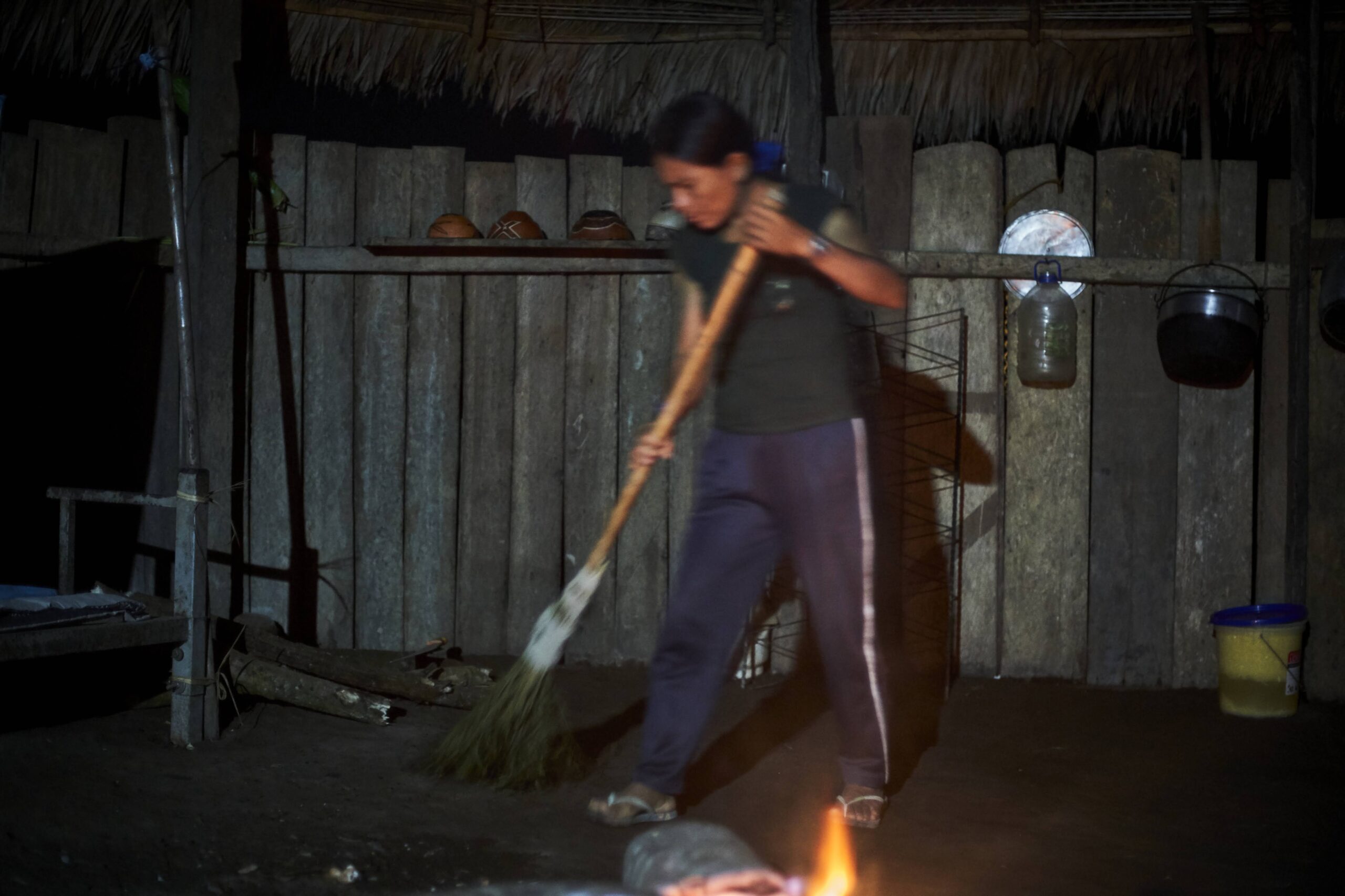
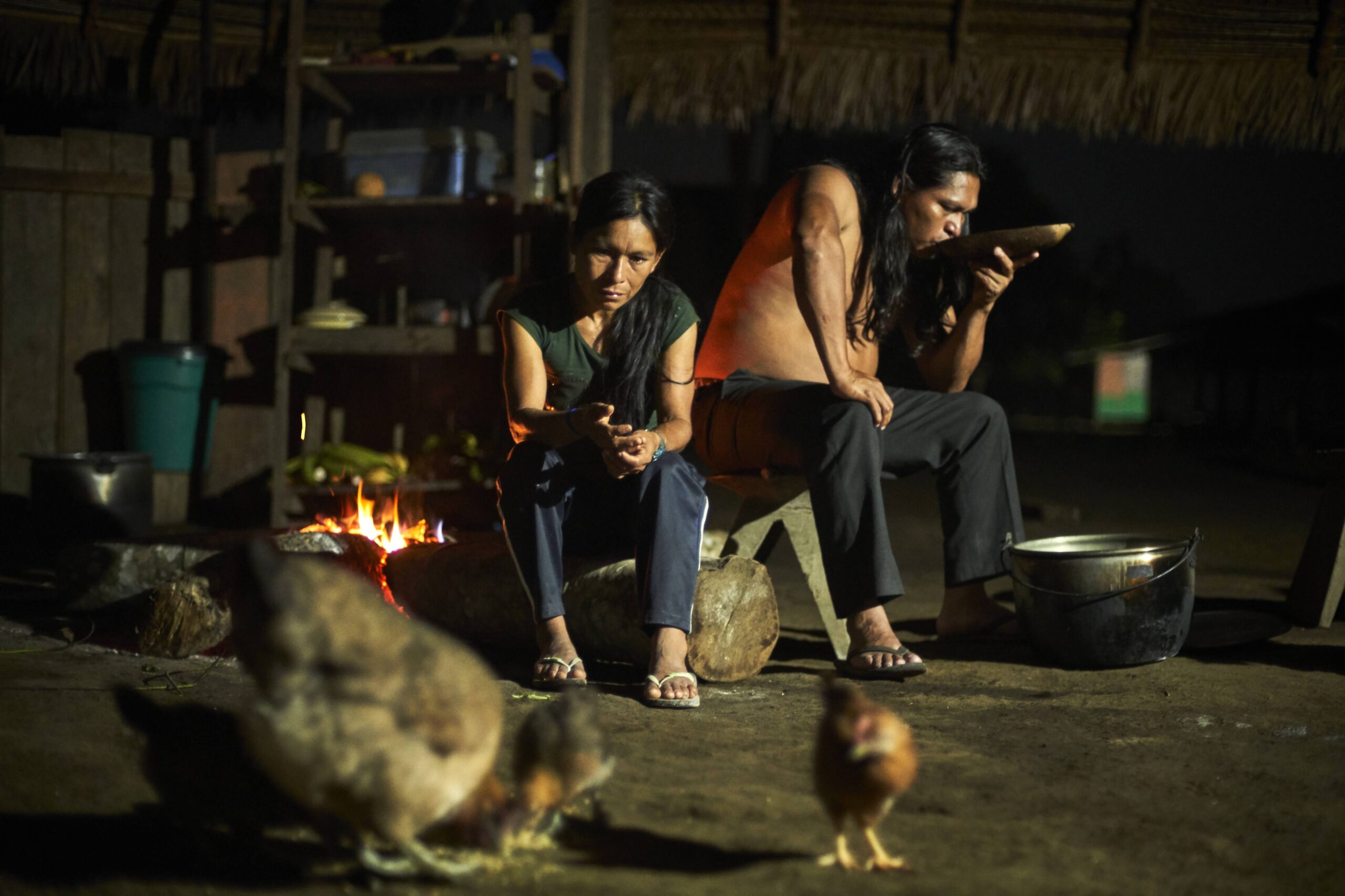
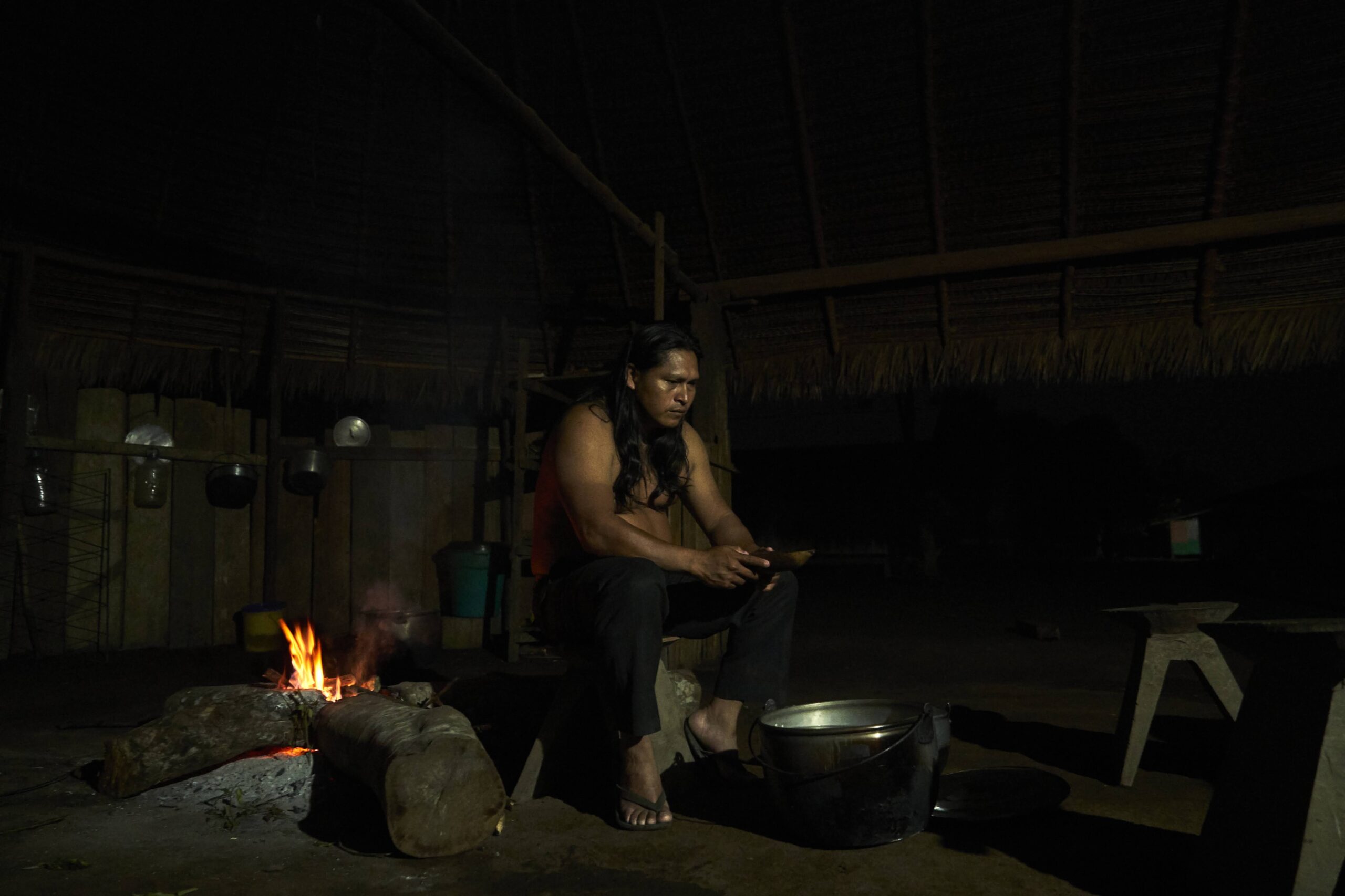
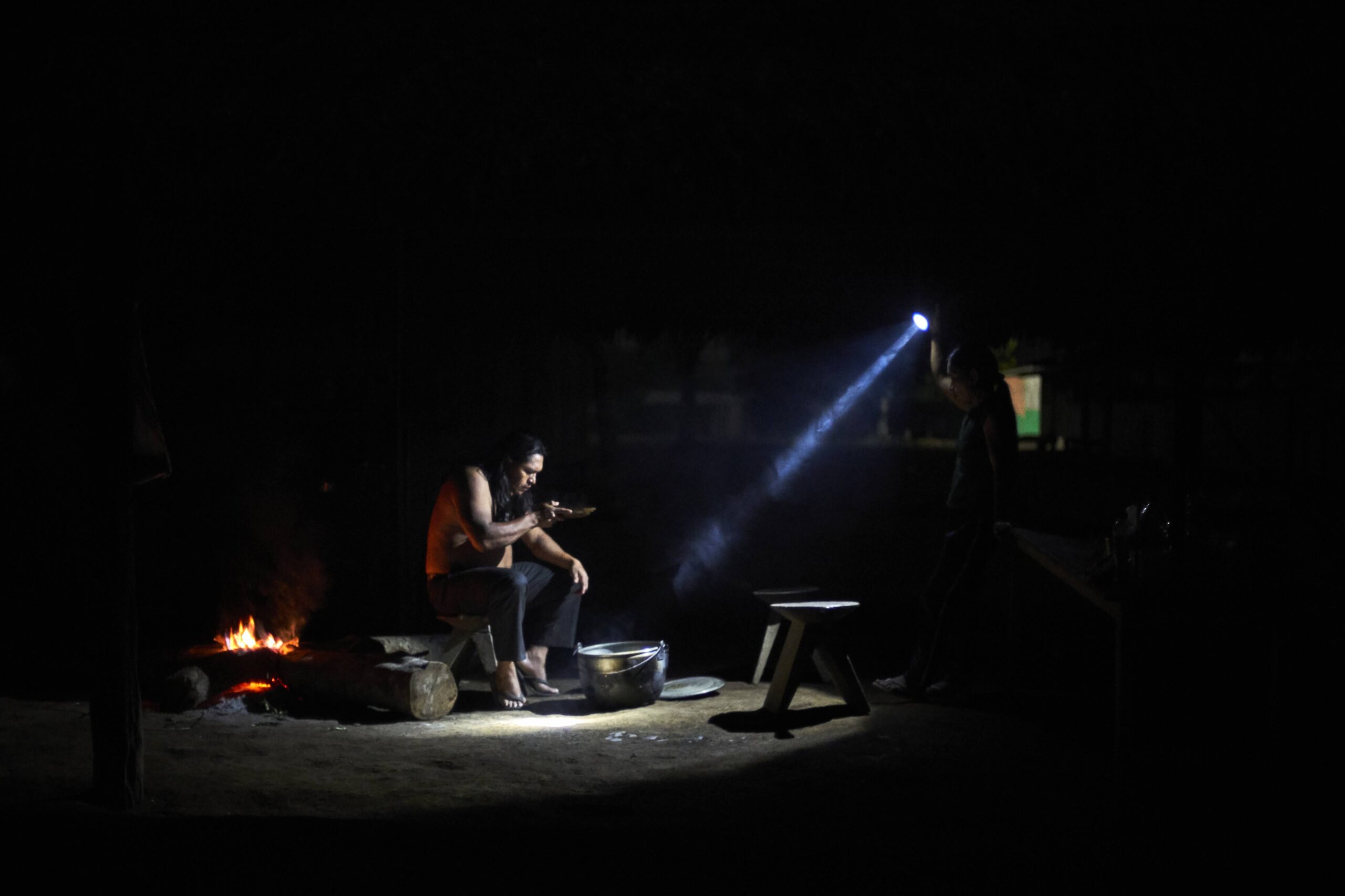
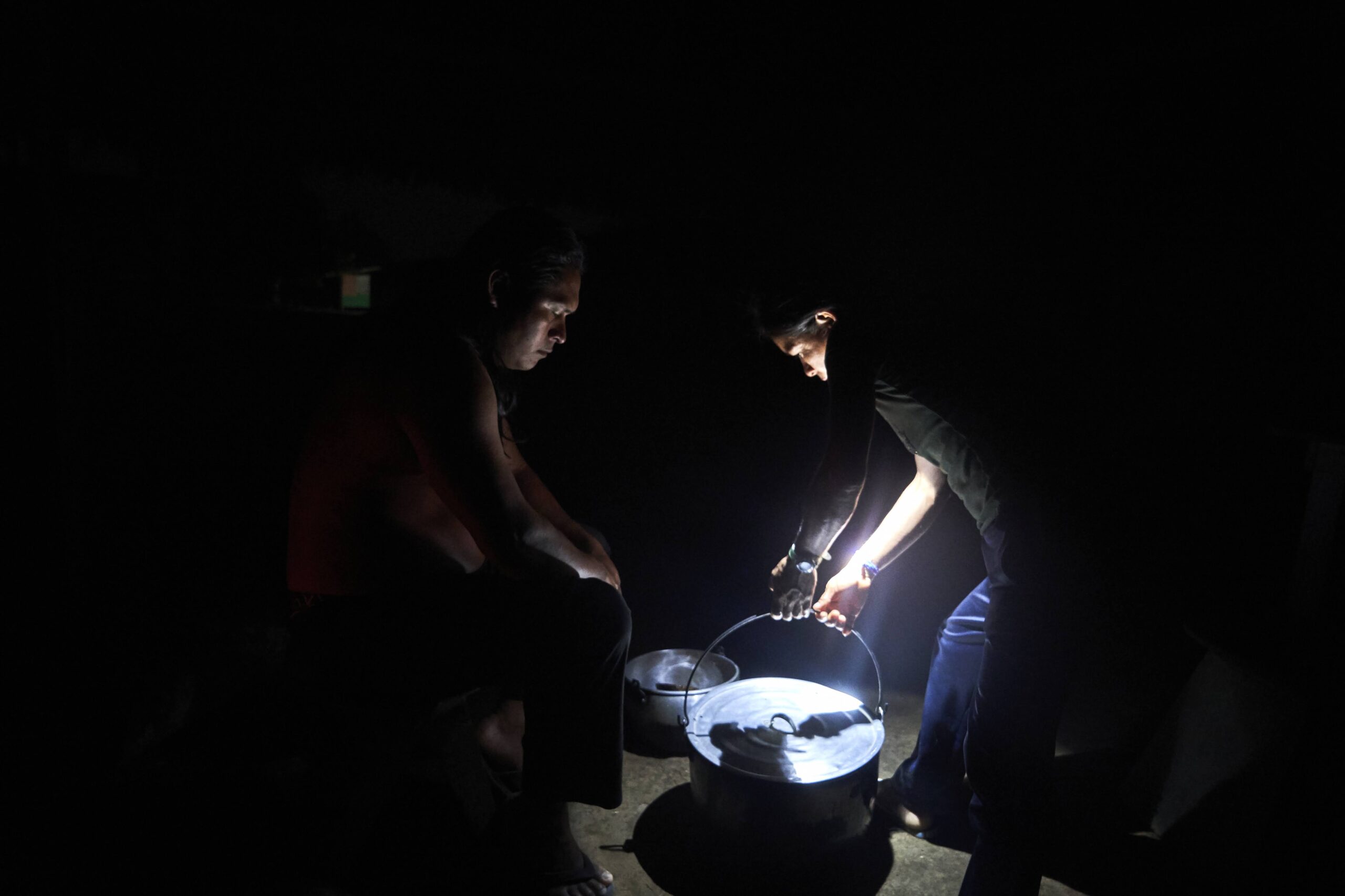
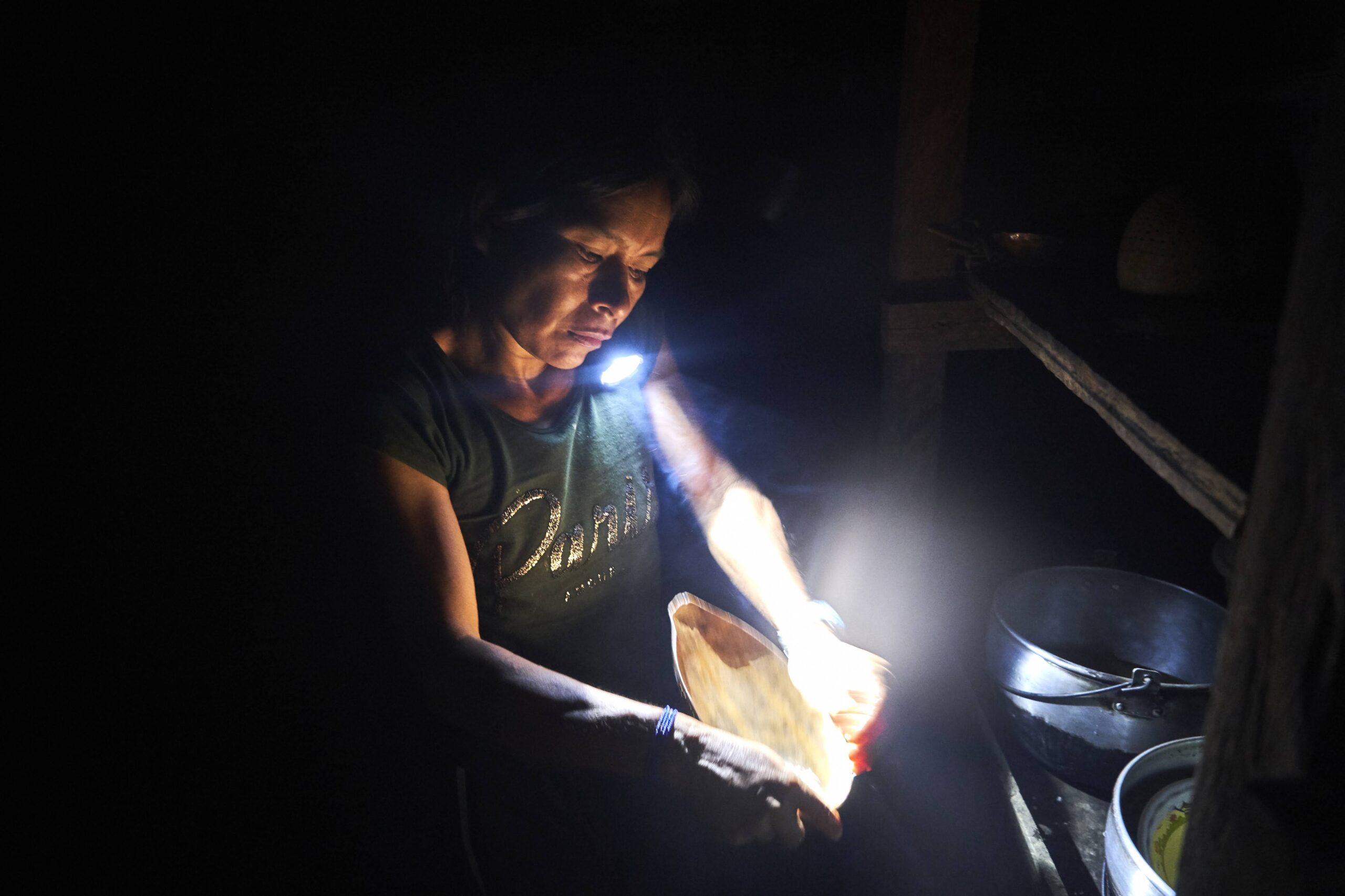
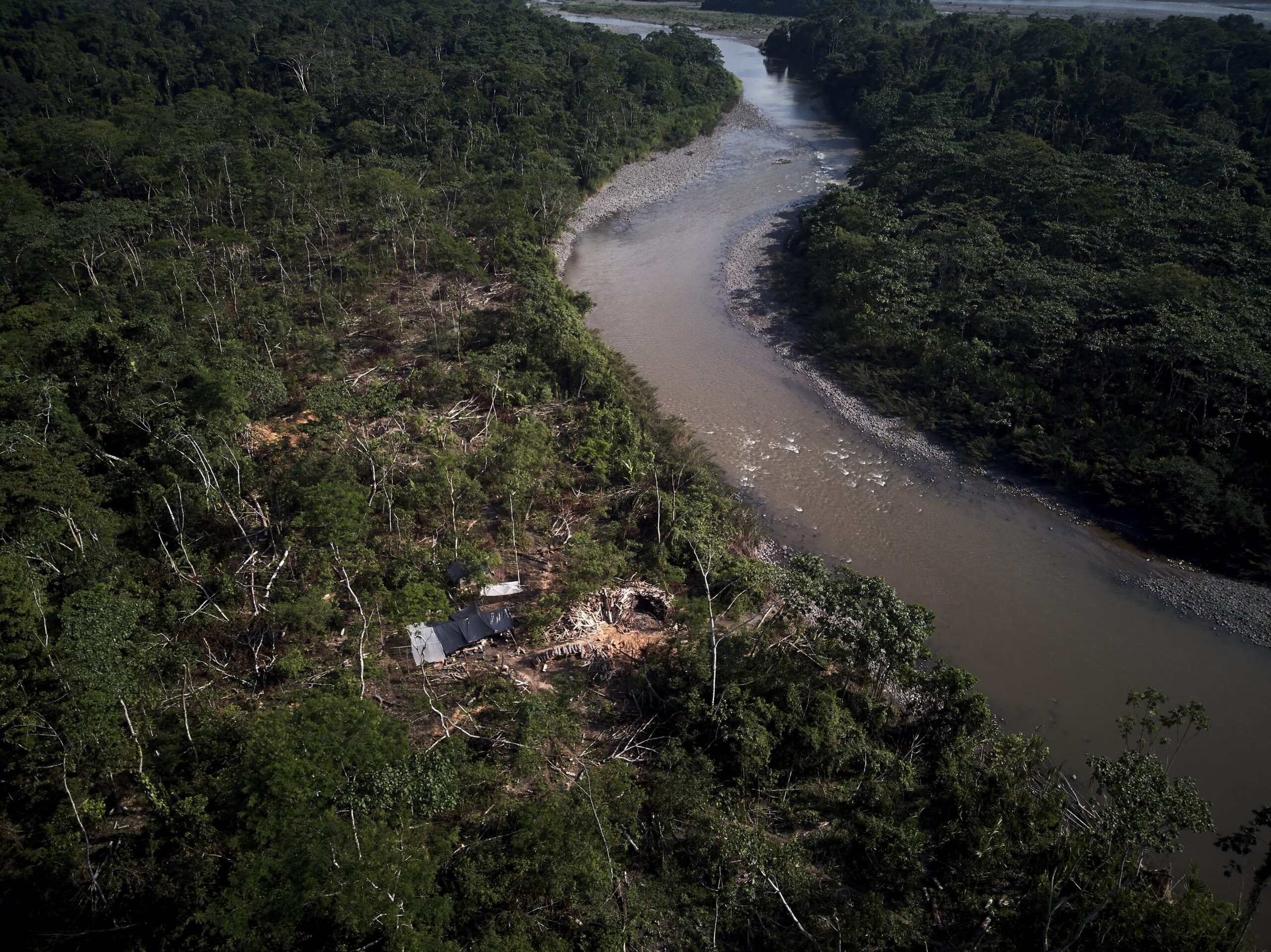
Today, this chronic scramble for resources has manifested as deforestation, violent standoffs, and encroachments by multi-billion dollar mining operations. In partnership with Protocol Labs and the USC Shoah Foundation, photojournalist Pablo Albarenga traveled to the community of Copataza in March 2020 to document this collision of worlds—capturing the Achuar’s traditional way of life juxtaposed against the scars of industrial expansion.
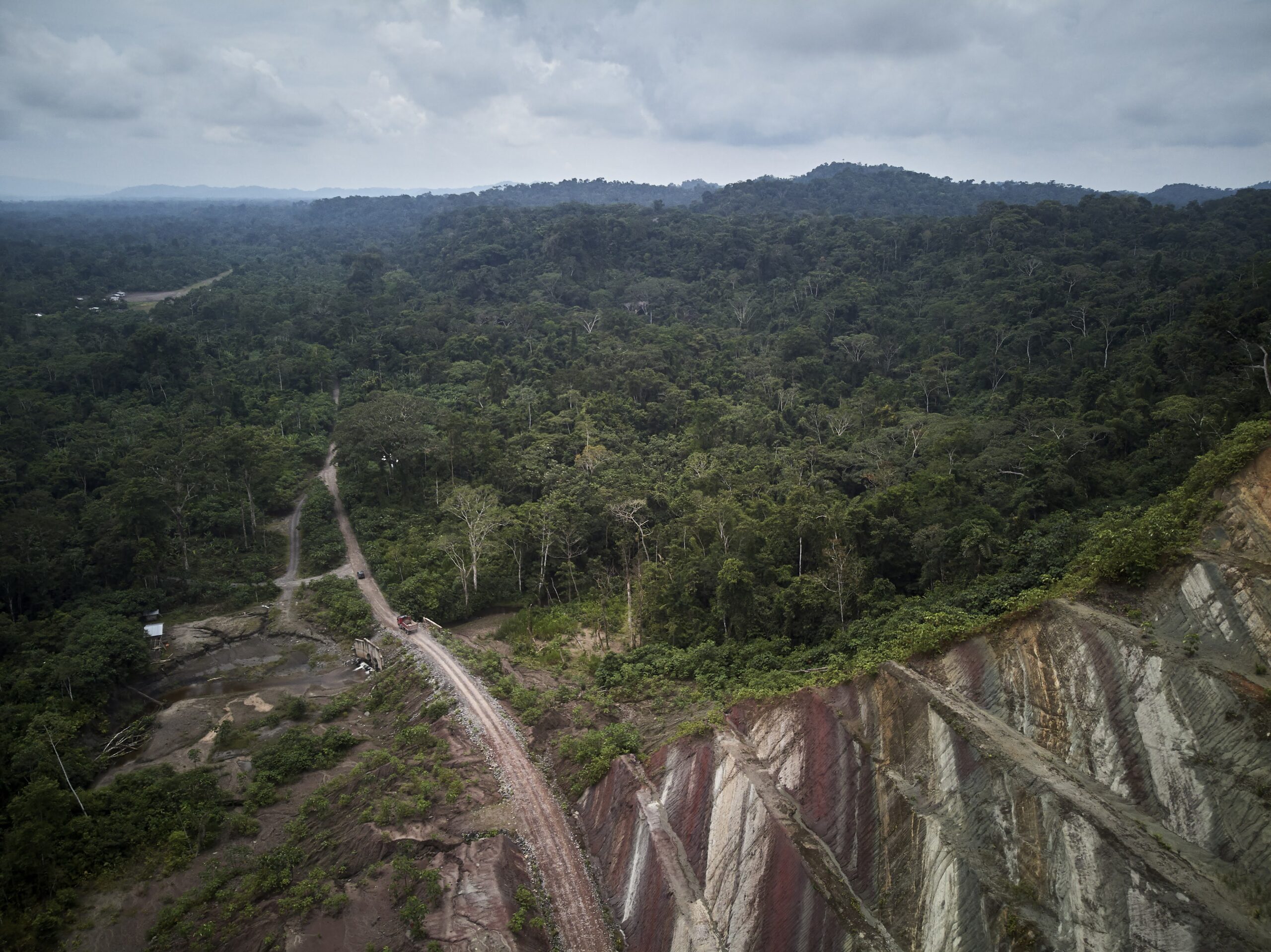
The Achuar face a dual threat. The first is physical: the illegal entries, mining projects, and construction of roads that divide their land and invite illegal logging. The second, however, is digital and systemic.
In an era increasingly defined by deepfakes, AI-generated imagery, and the manipulation of digital context, the burden of proof for marginalized communities has become heavier than ever. When Indigenous communities like the Achuar attempt to hold state and corporate actors accountable in the court of law – or the court of public opinion – their visual evidence is often met with skepticism or dismissal.
How can a community prove, beyond a shadow of a doubt, that a specific event happened at a specific time and place? How do we ensure that the digital testimony of the Achuar preserves the same forensic integrity as physical evidence? The challenge was not just to take photos, but to create a chain of custody so robust that the truth of the Achuar’s struggle could never be denied.
Contents
Framework
The Challenge
In the remote Amazon, the distance between an incident and a courtroom is measured not just in miles, but in data integrity. For the Achuar, documenting environmental crimes like illegal logging or unauthorized road construction is only half the battle. The greater challenge is proving that these images have not been manipulated. In a legal landscape increasingly wary of digital fabrication and “deepfakes,” standard metadata is no longer sufficient. To admit visual evidence into a court of law to defend land rights, the Achuar needed a tool that could guarantee the provenance of every pixel.
The Prototype
To bridge this gap, Starling Labs equipped Pablo Albarenga with the experimental “Capture” framework. This prototype moved verification from the editing room to the moment of capture.
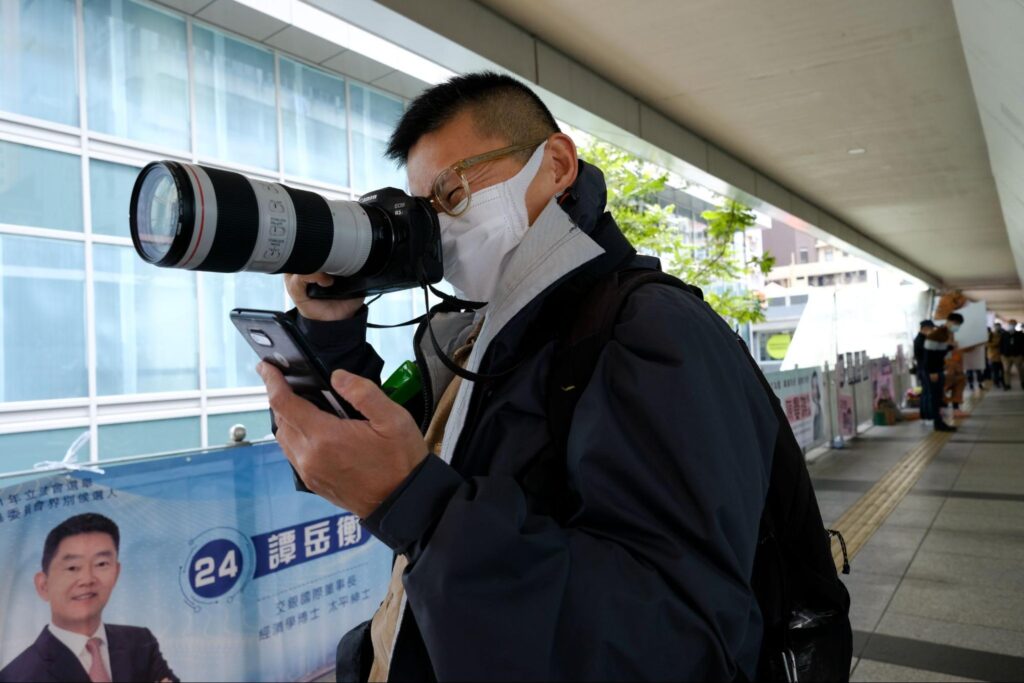
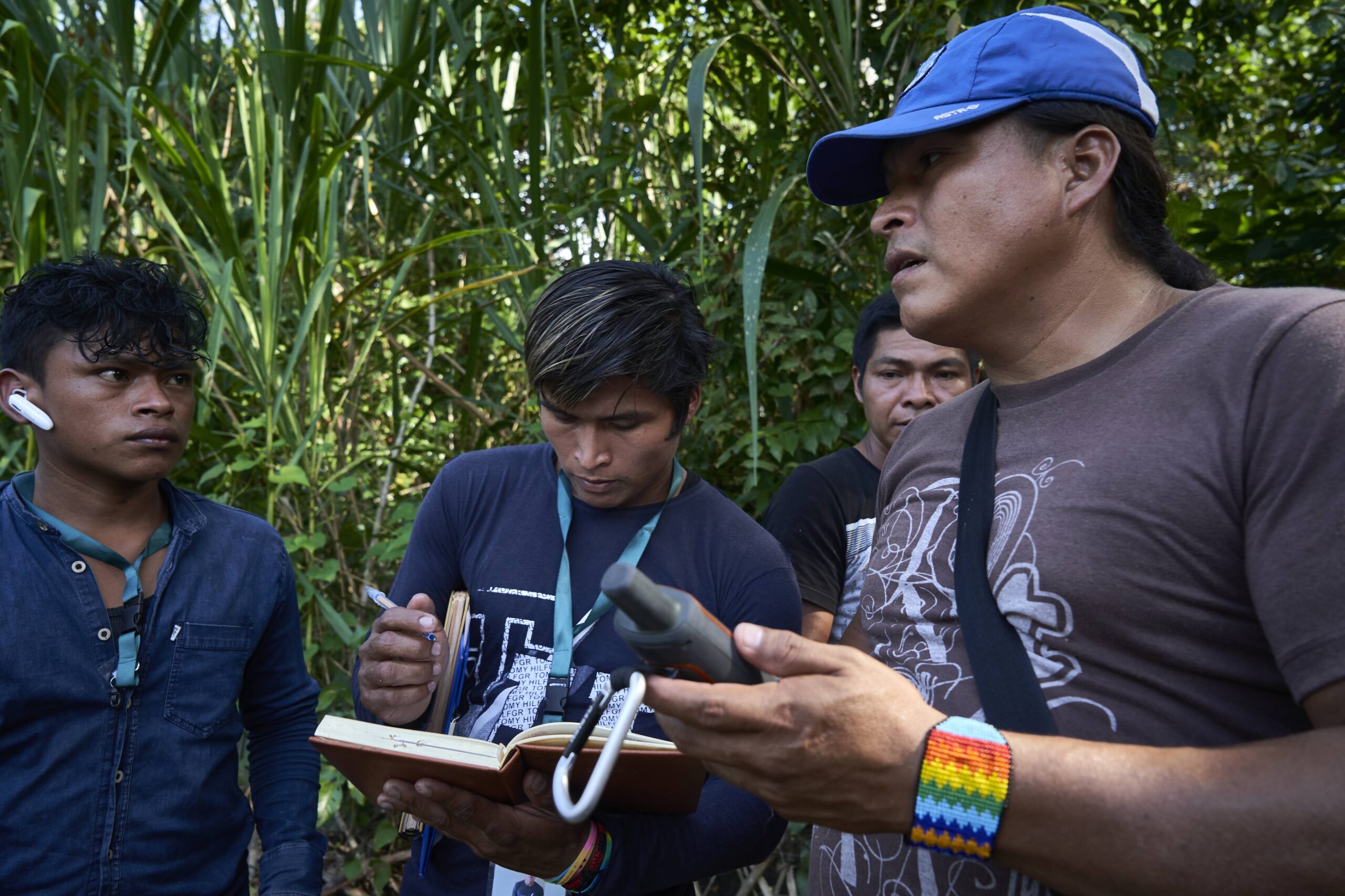
Pablo utilized a modified workflow involving a Canon camera tethered to an HTC EXODUS 1 smartphone. This device was selected for its Trusted Execution Environment (TEE), allowing the team to leverage the Zion Vault: a hardware-backed key management platform that generates and stores keys in an isolated area of the processor, independent of the Android OS.
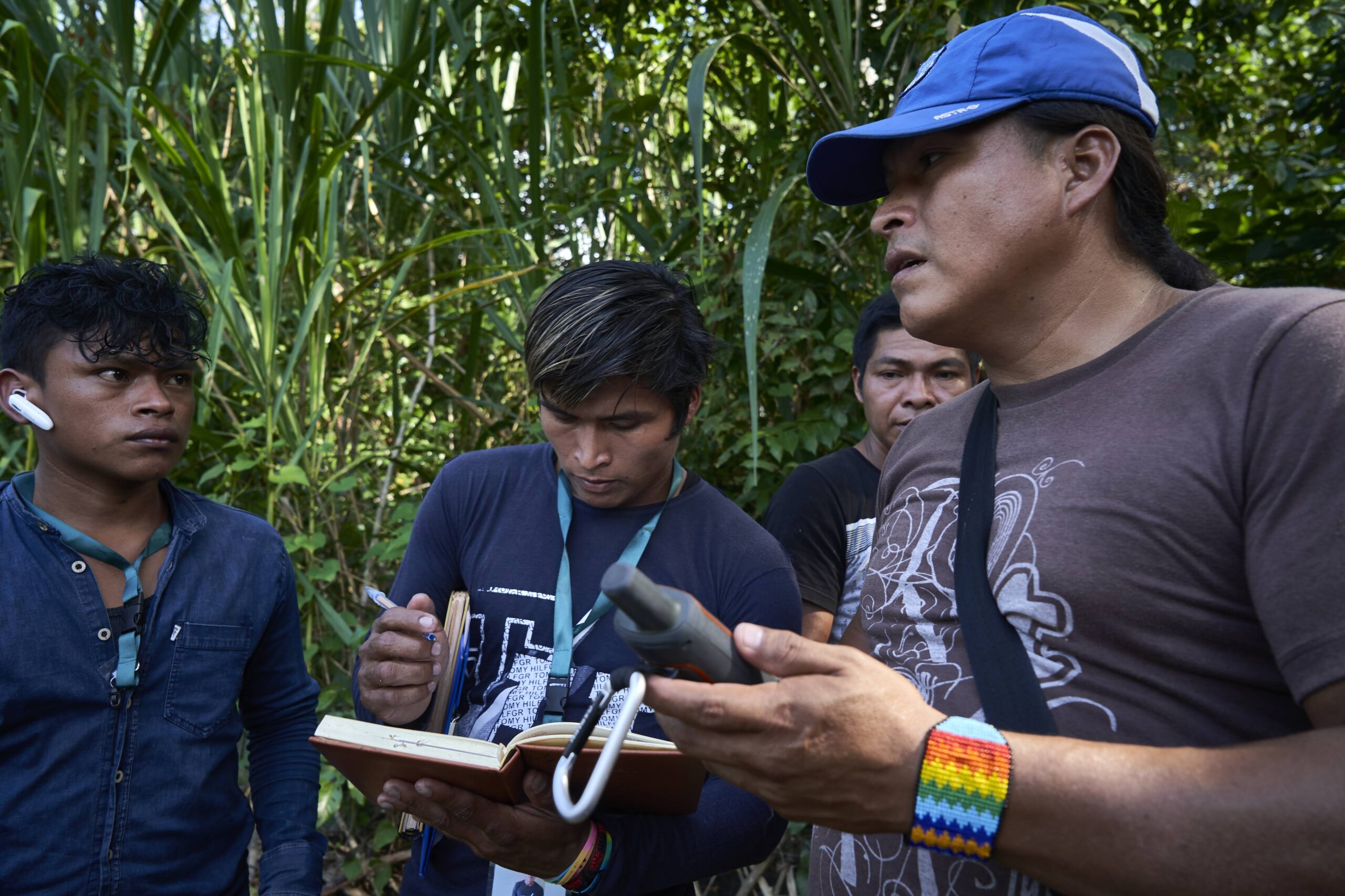
As he documented the mining operations and anew road in Copataza, the framework cryptographically hashed each image immediately upon capture. It did more than save a photo: it sealed the image with a hardware-generated signature unique to the device, binding it to authenticated sensor data (GPS, time, and orientation).
This process created a tamper-proof chain of custody anchored in the decentralized web. Content was cryptographically hashed and stored using the InterPlanetary File System (IPFS), ensuring data is content-addressed rather than location-based. This allows independent reviewers to verify the integrity of the files against their original hashes.
Contents
Learnings
While the deployment successfully proved the concept of authenticated capture, the field test in the humid, politically charged environment of the Amazon revealed critical tensions between technology and human reality.
The Friction of Verification
Forensic rigour often came at the cost of journalistic agility. The prototype workflow introduced significant friction. Pablo reported delays caused by the app requesting confirmation for every photograph taken. To operate discreetly and avoid drawing attention from authorities, Pablo resorted to dimming the screen and using the lower volume key to trigger the shutter, but the software’s mandatory confirmation steps made capturing fleeting or stealthy moments in batches nearly impossible. Furthermore, the hardware struggled with the environment: the phone used for hashing frequently overheated after just minutes of video recording, and the app suffered from stability issues that disrupted the workflow.
The Paradox of Privacy
The most profound learning, however, was ethical. The very feature that made the evidence legally powerful – immutable GPS and metadata logging – posed a severe security risk. In a conflict zone where activists are often targeted, carrying a device that broadcasts an unalterable record of one’s exact location can endanger both the journalist and their subjects. Pablo noted that the inability to selectively toggle metadata collection meant that protecting the “truth” of the image potentially compromised the safety of the people in it. This feedback highlighted a crucial need for future iterations: the ability to balance forensic transparency with the human need for obscurity and safety.
Contents
Pablo Albarenga’s Dispatch from the Field
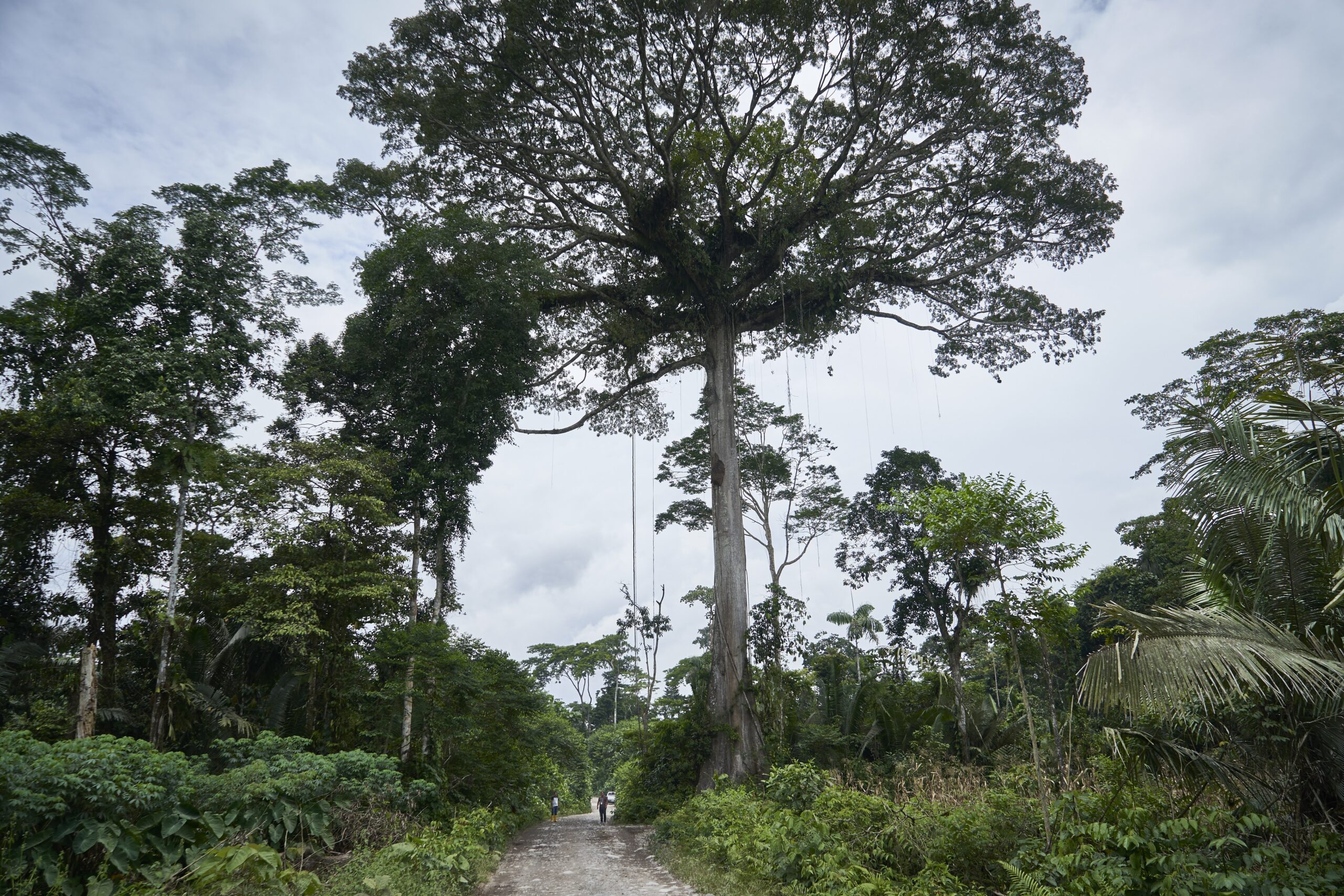
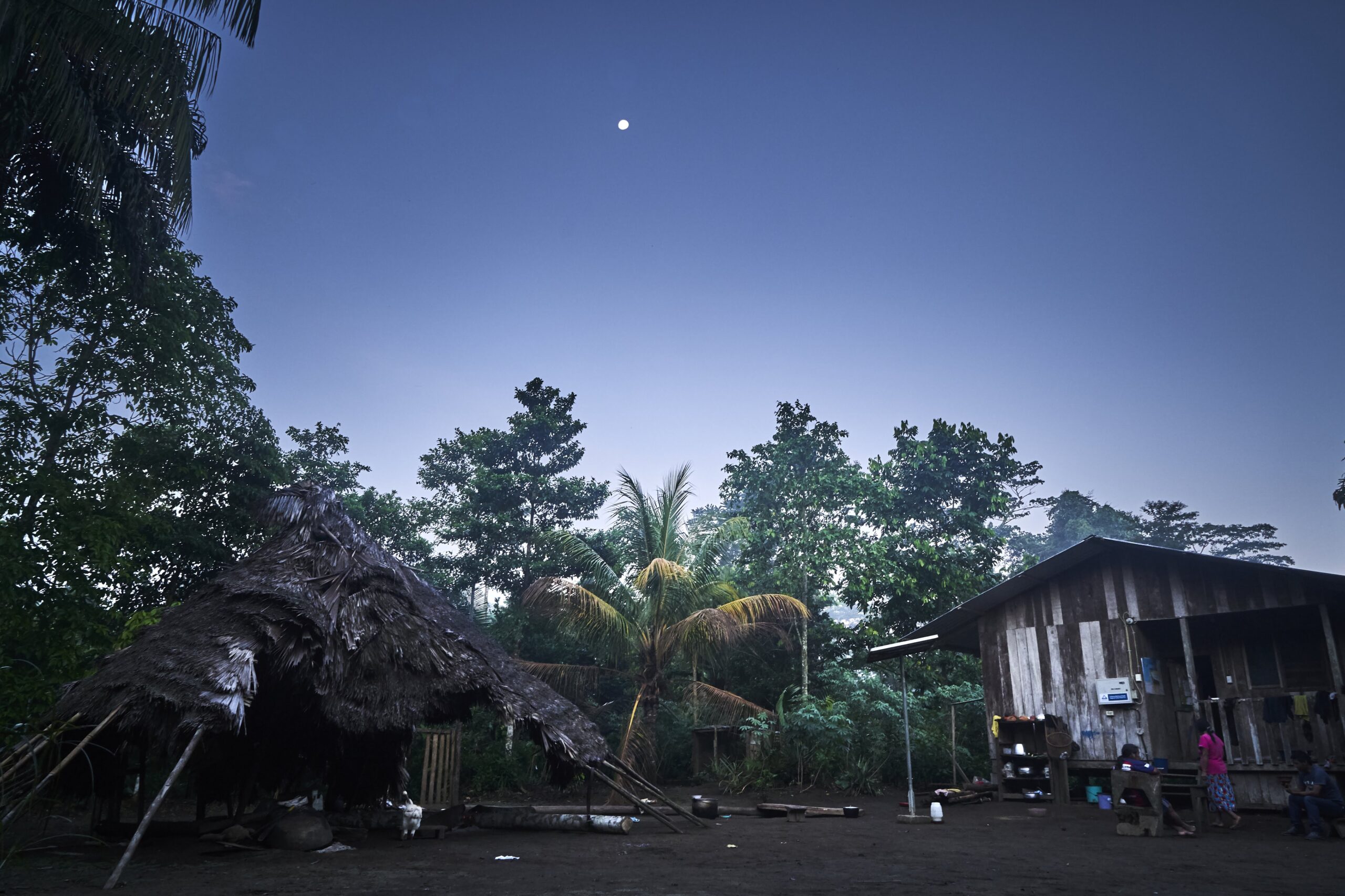
It was barely dawn. The first rays of sunshine already tempered the thick foliage of the forest, causing the moisture accumulated during the nightly rains to rise above the treetops creating a heavenly landscape. There, where the Andes Mountains meet the Ecuadorian Amazon, a unique biome is born that constitutes one of the most biodiverse areas of the planet. The Shuar and Achuar Indians also live there, protagonists of the most recent demonstrations that shook Ecuador for several days, when thousands of Indians took the city of Quito, in October 2019, after the promulgation of a new decree with several economic adjustments agreed with the International Monetary Fund. The protests ended with several deaths and a popular victory.
At that time, the media focused attention on the rise in fuel prices, but this was just one more in the long list of demands brought by the native peoples. For them, the main demand revolved around the defense of ancestral territories, threatened by oil companies, logging companies and projects that did not respect the prior consultation of indigenous peoples regarding decisions involving their territories.
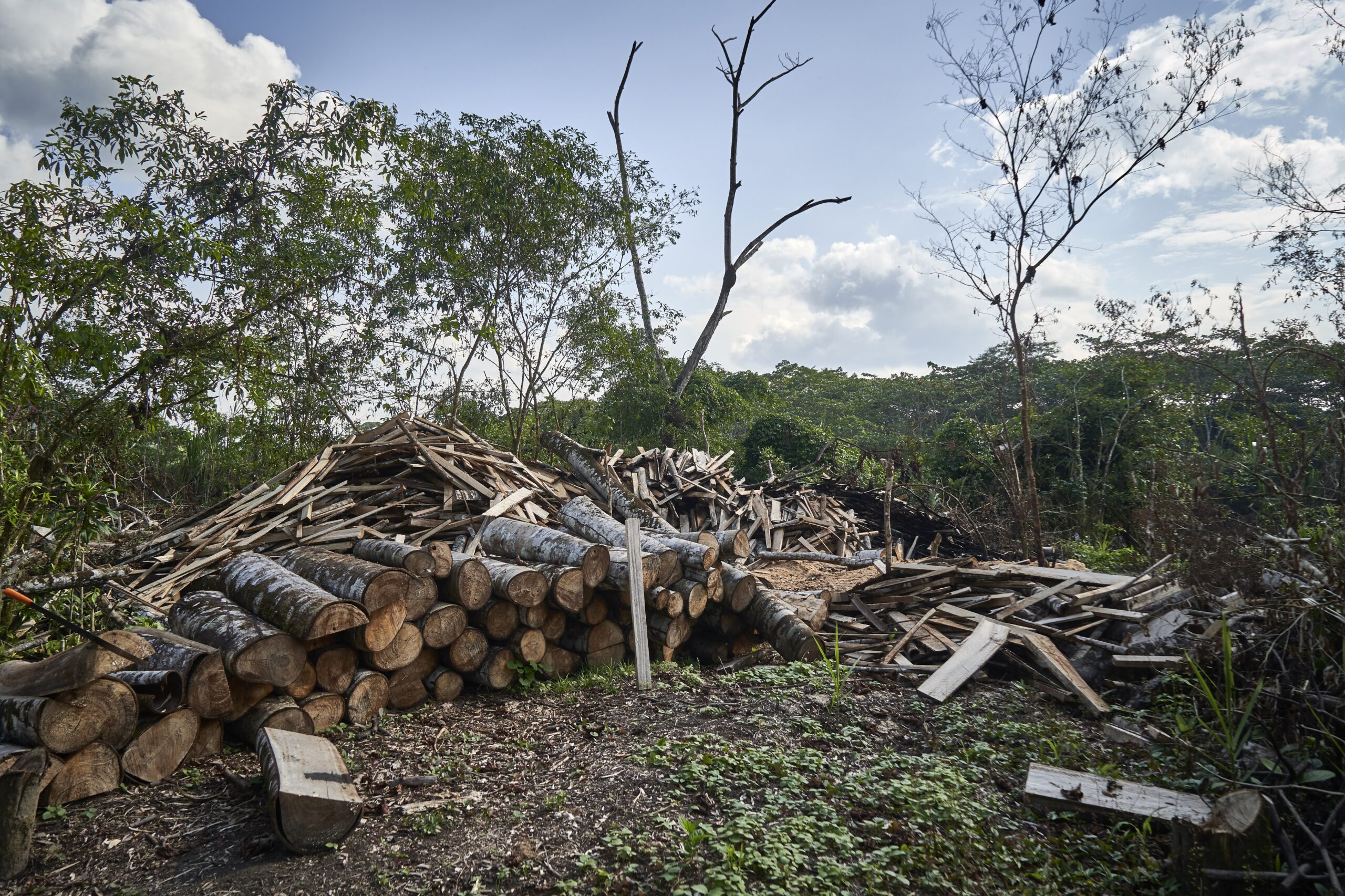
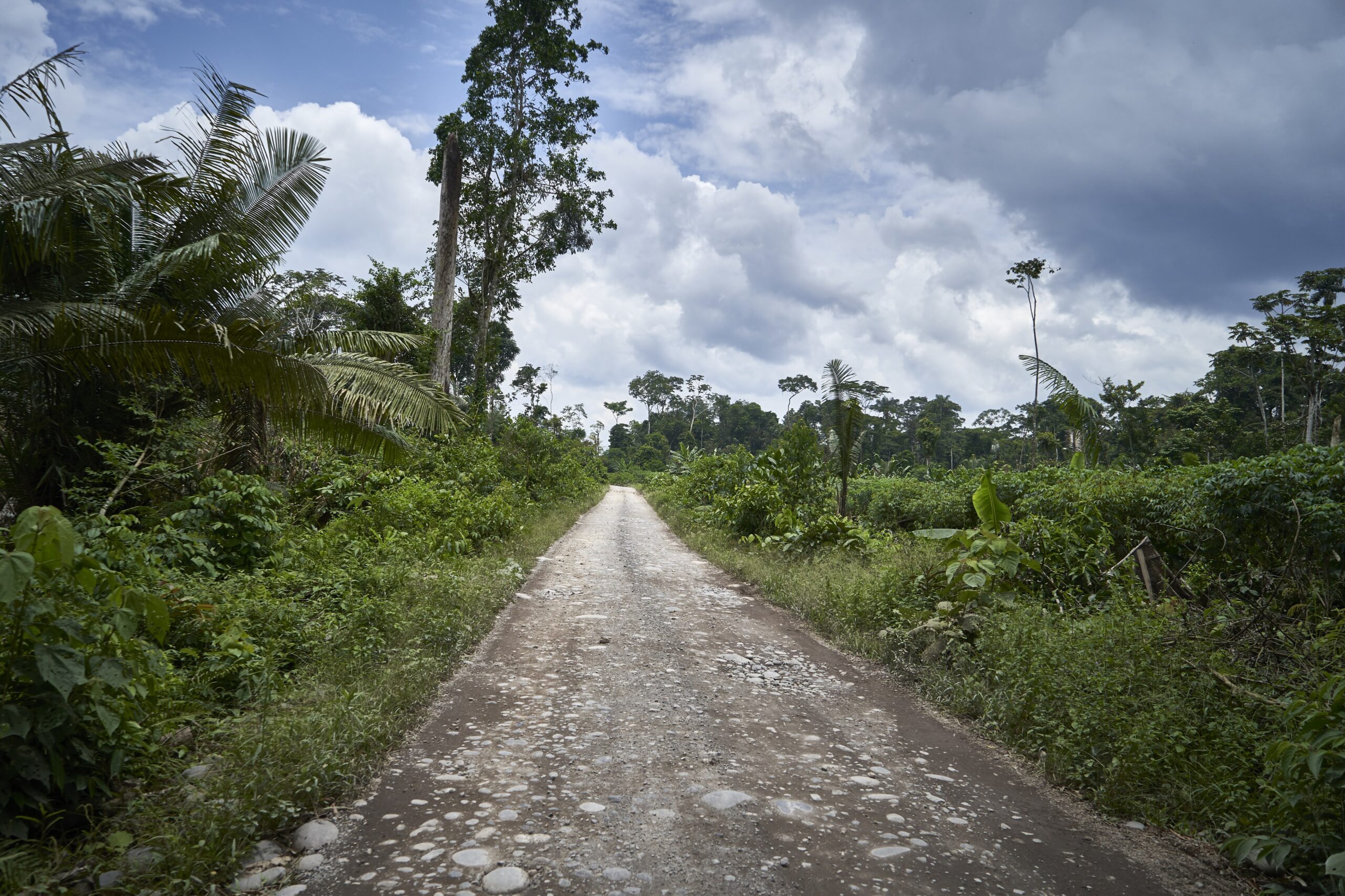
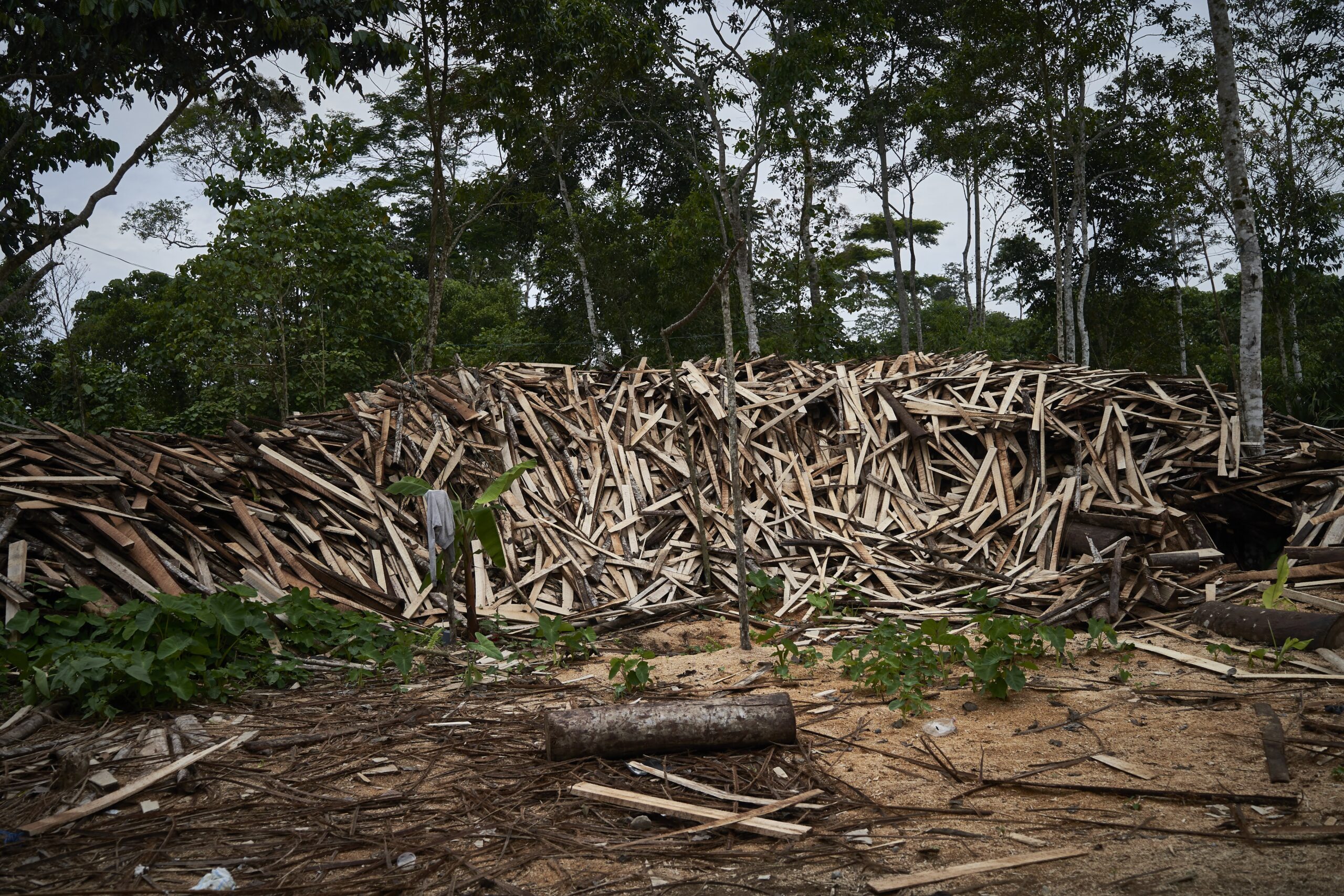
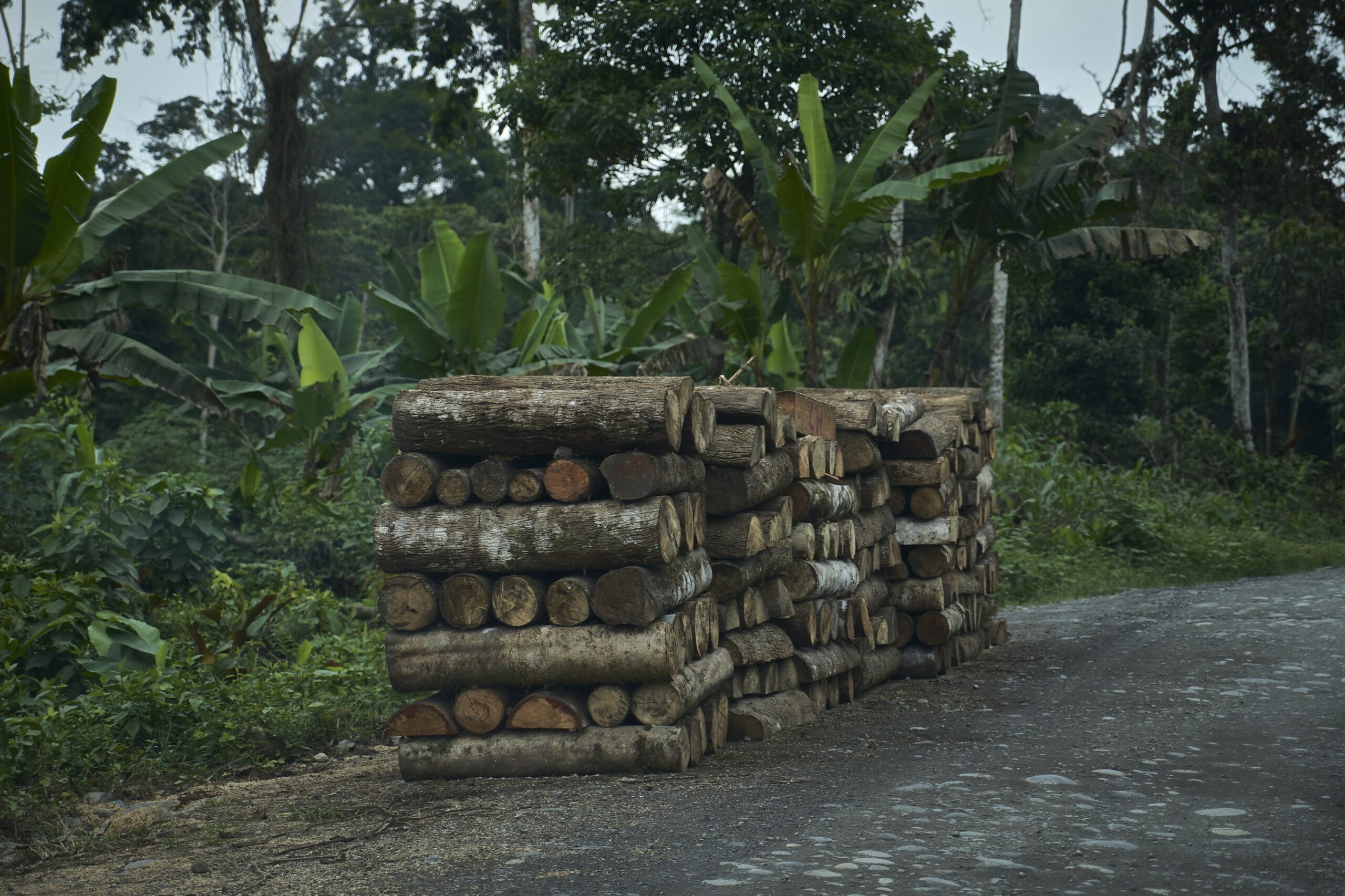
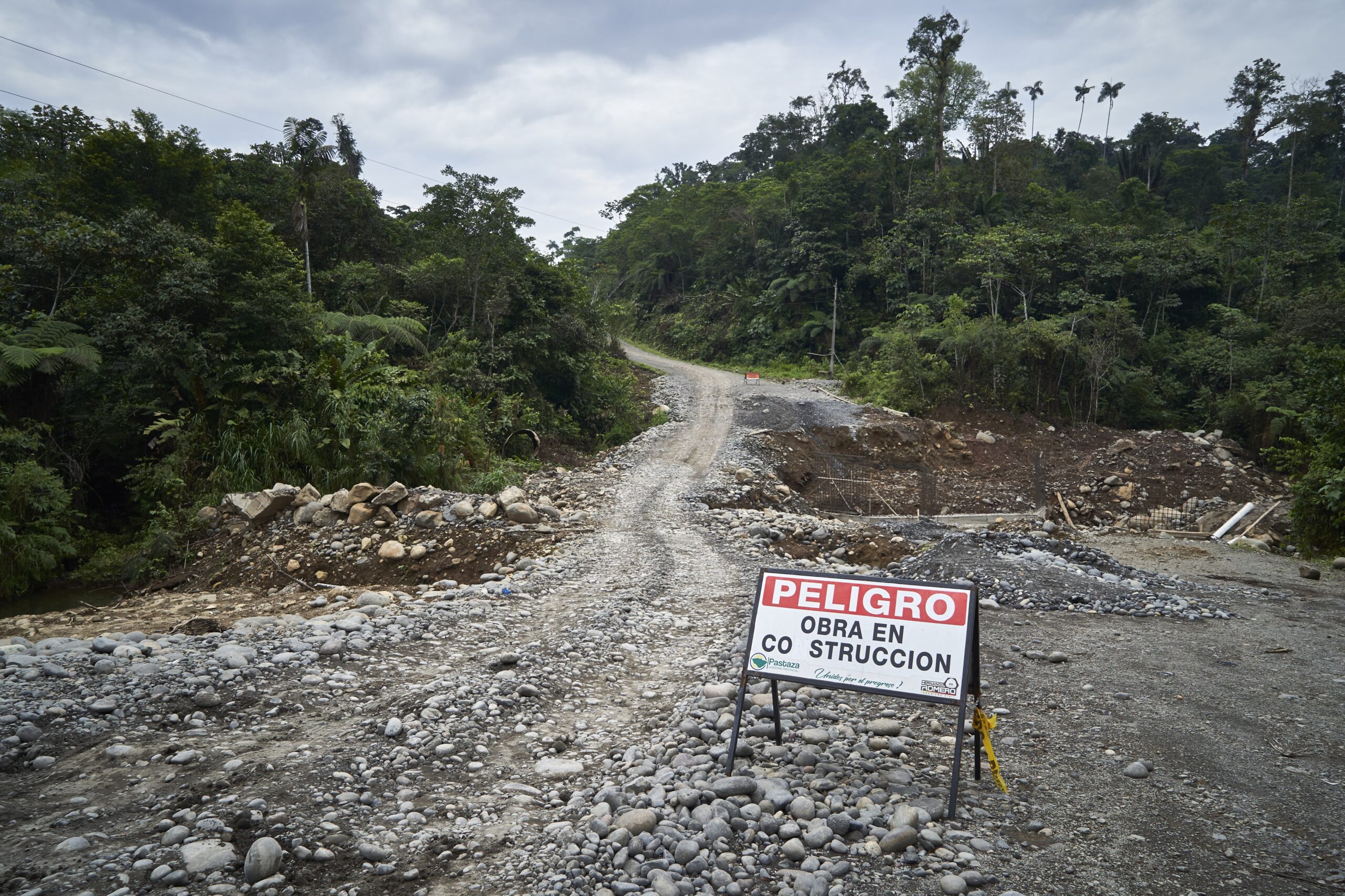
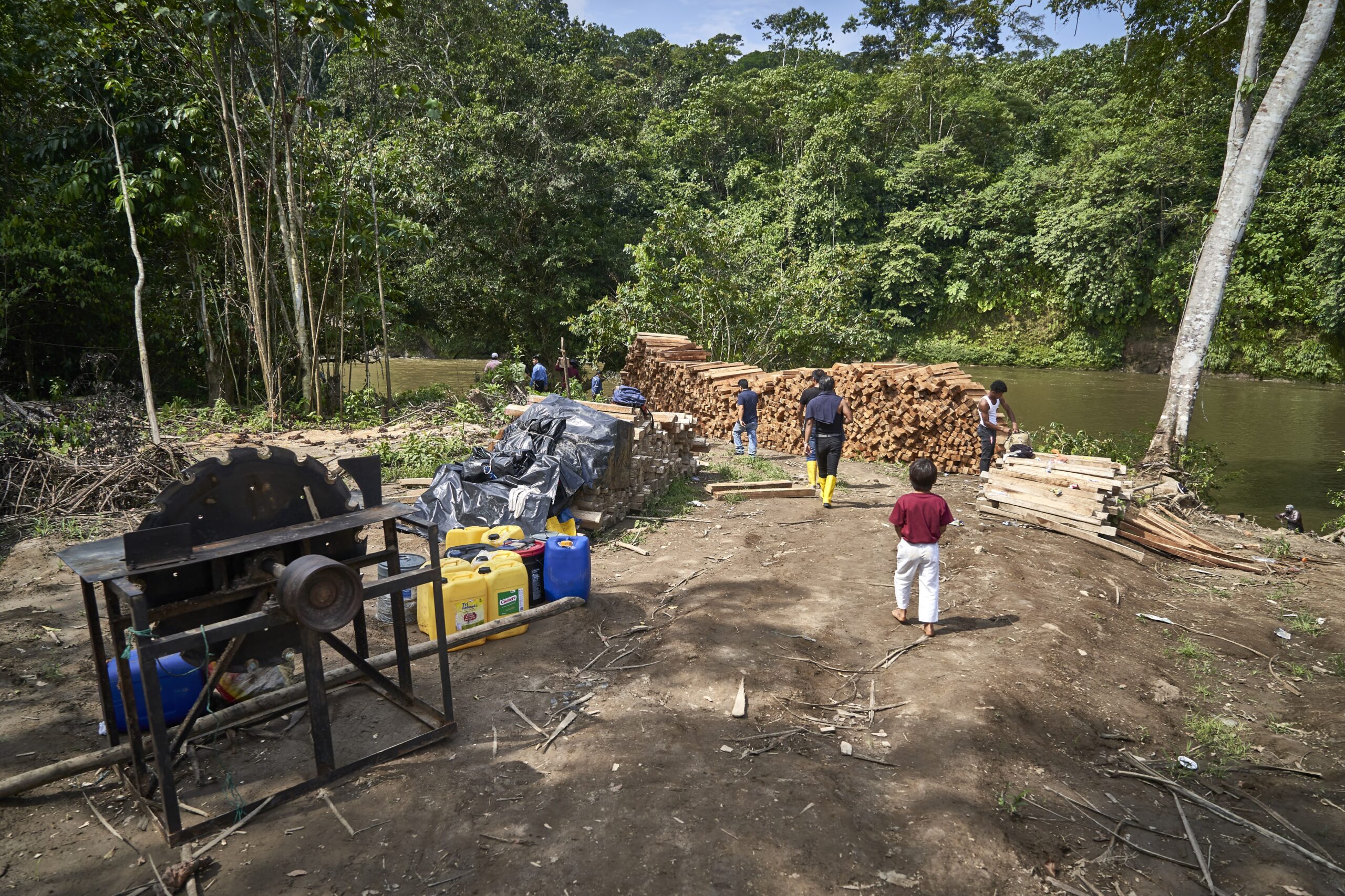
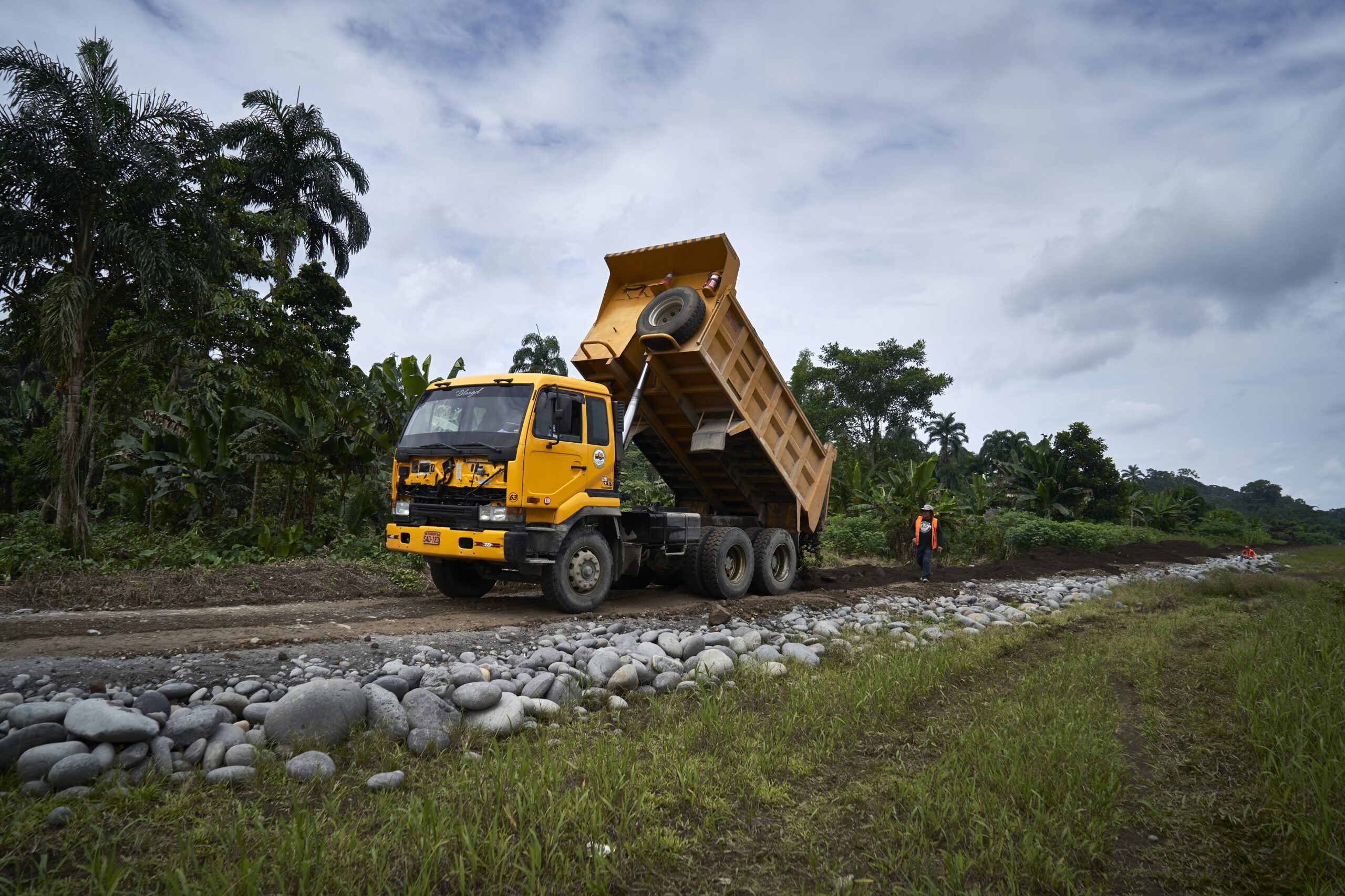
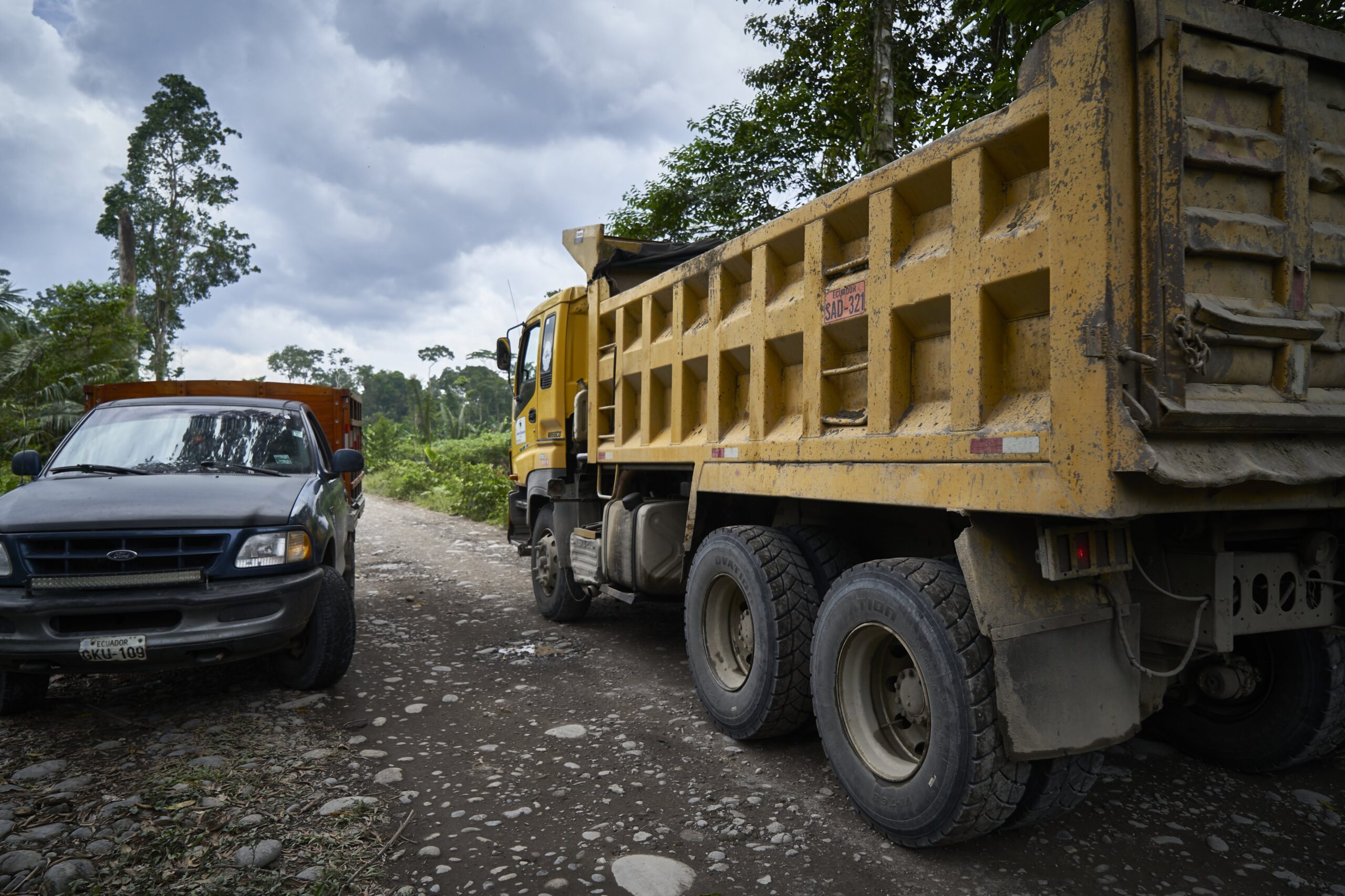
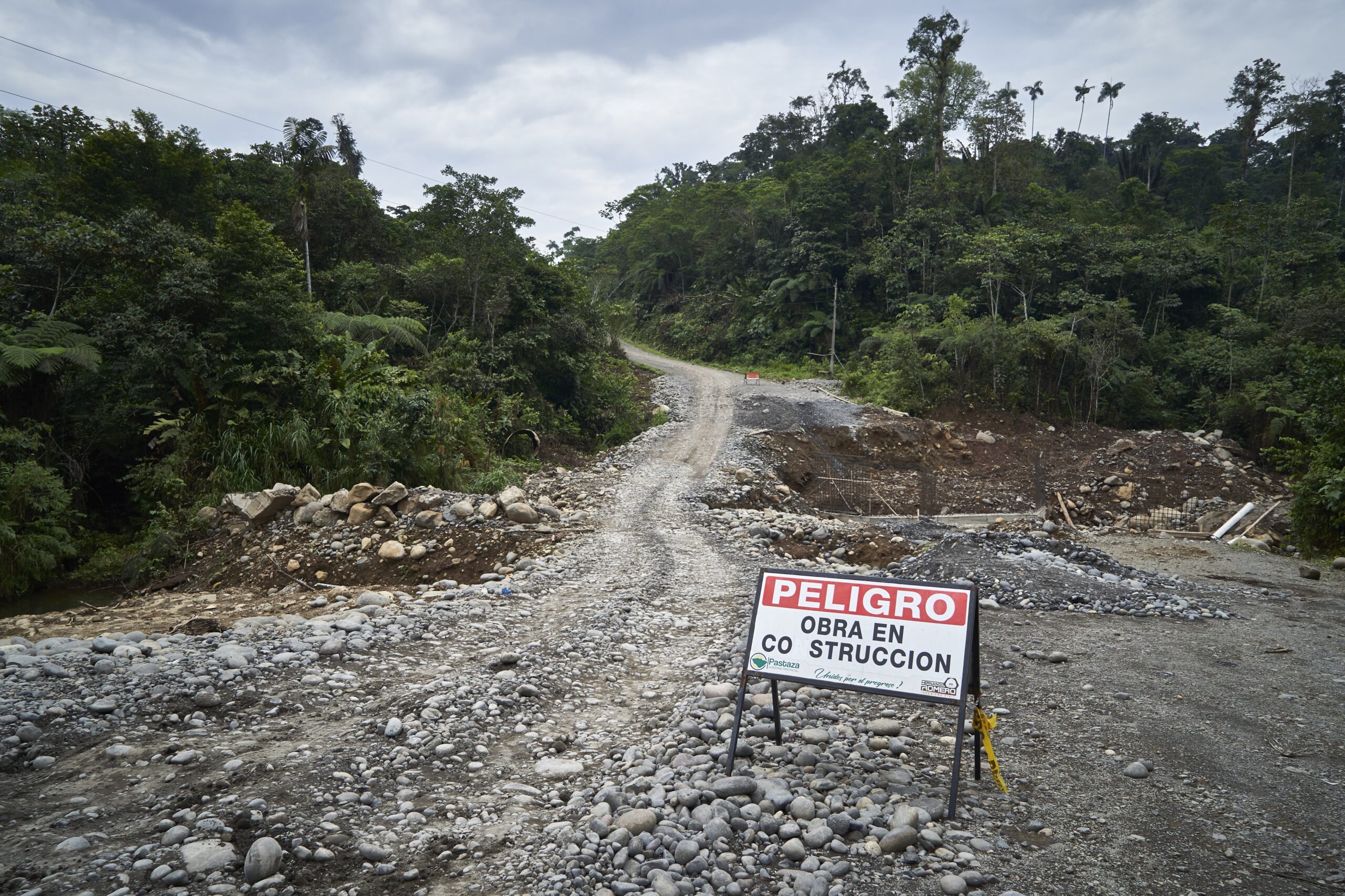
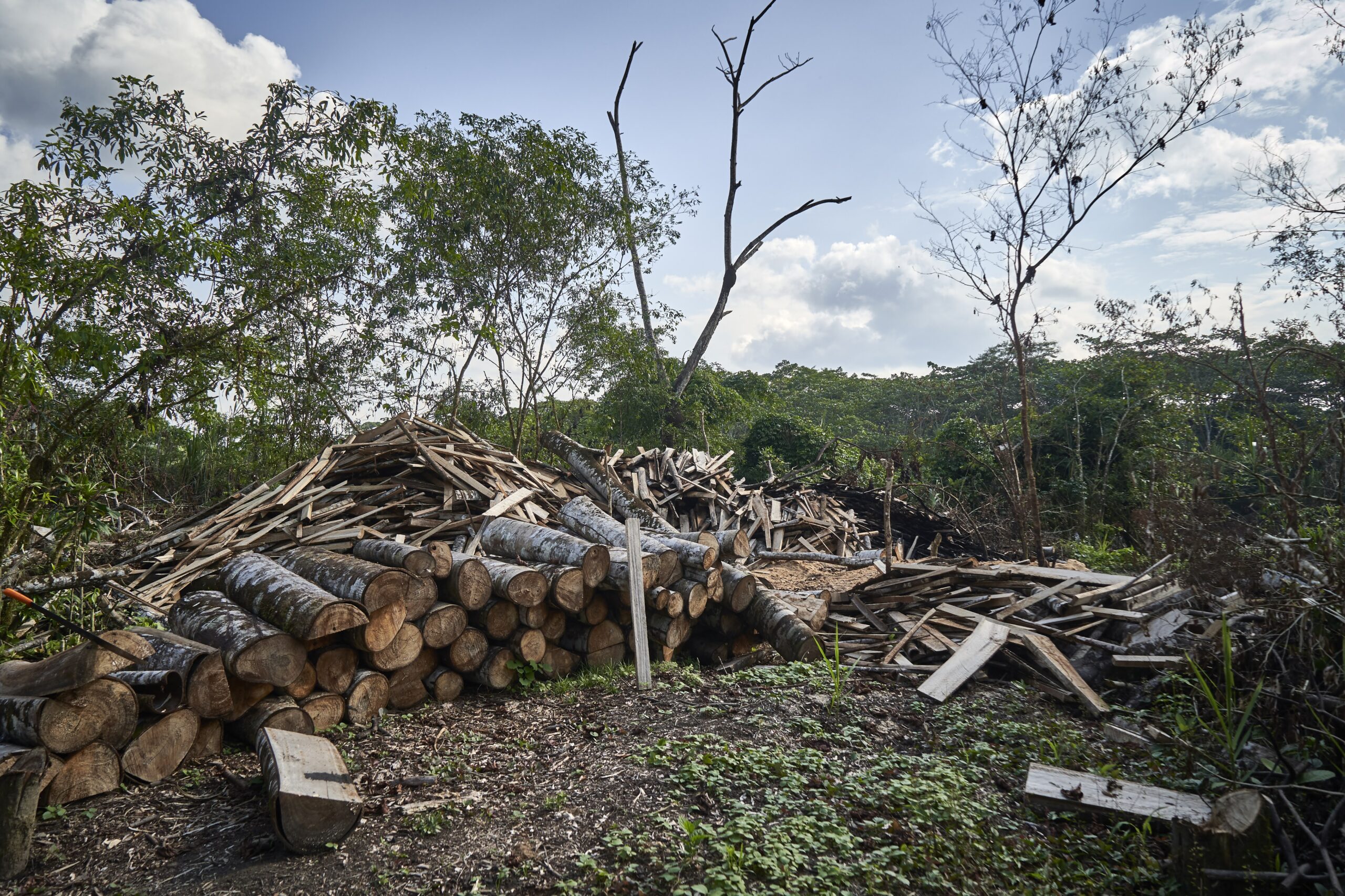
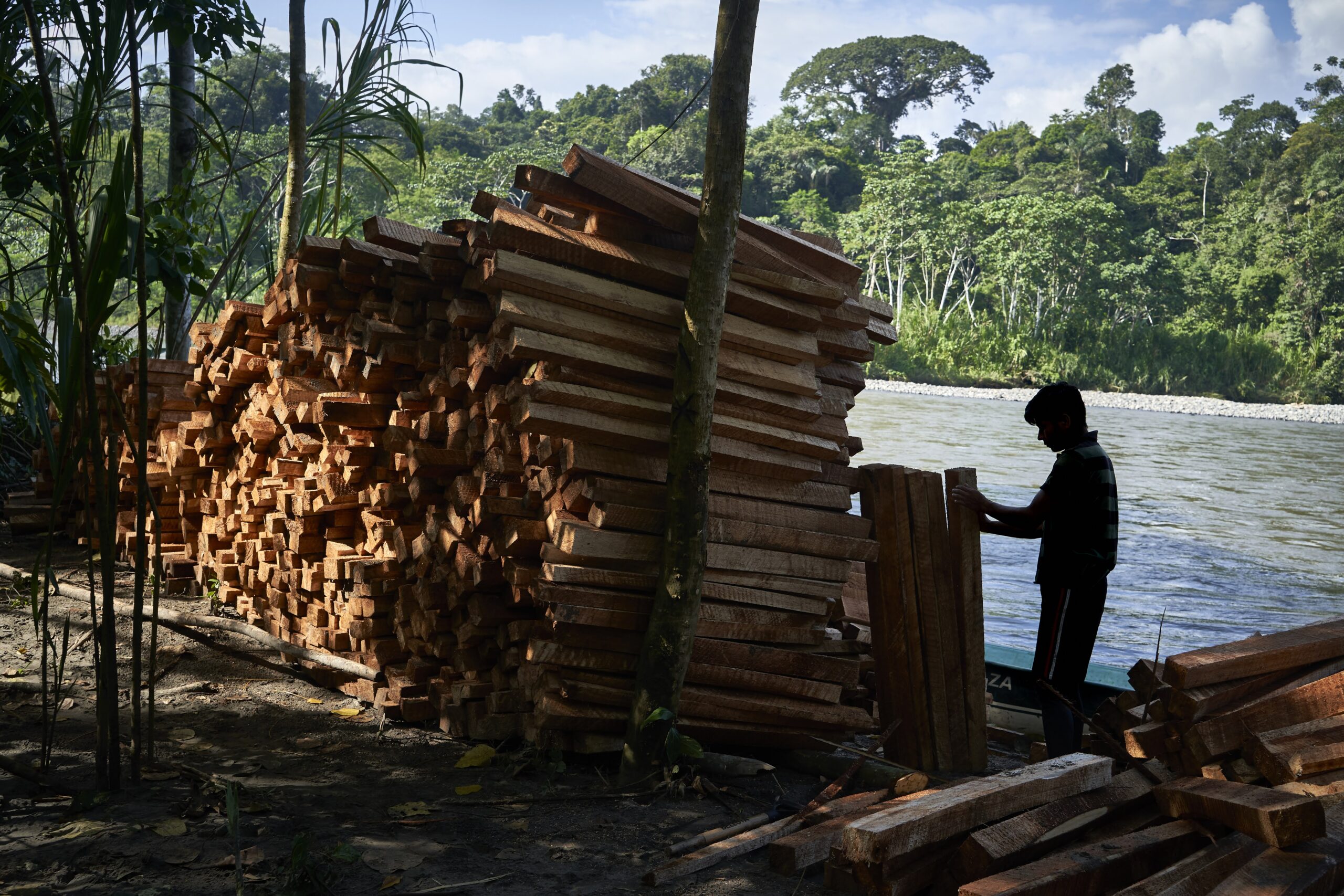
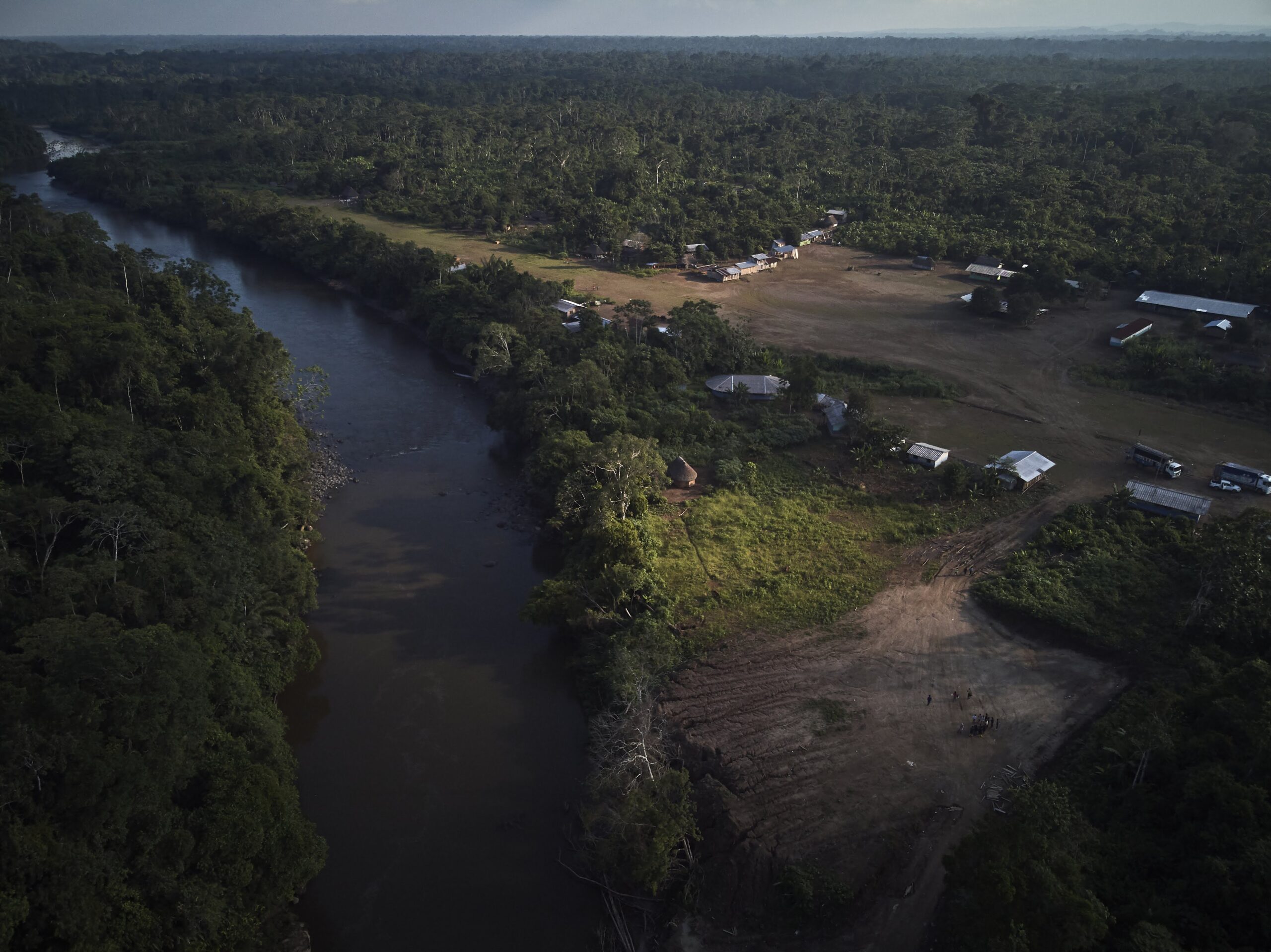
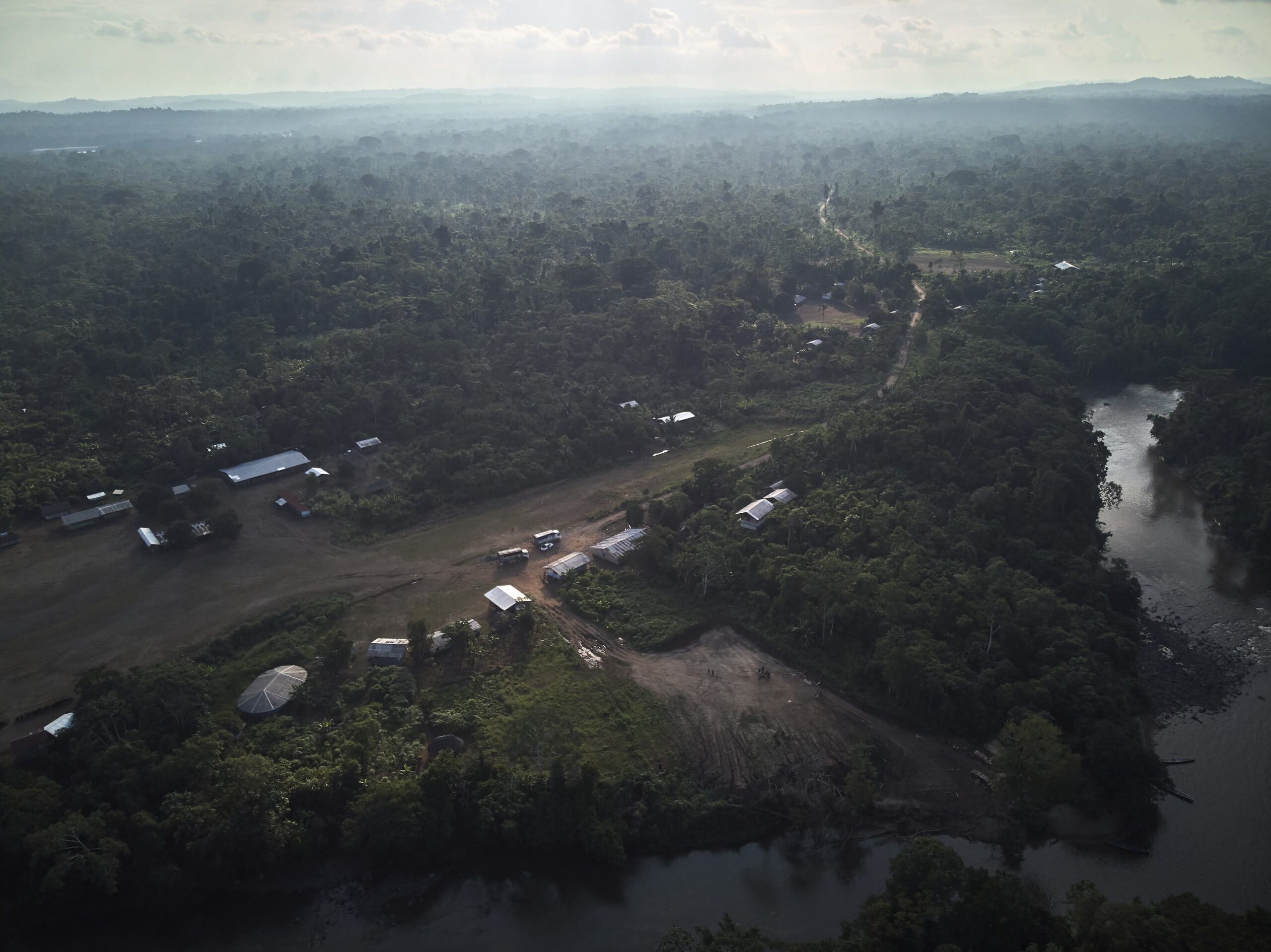
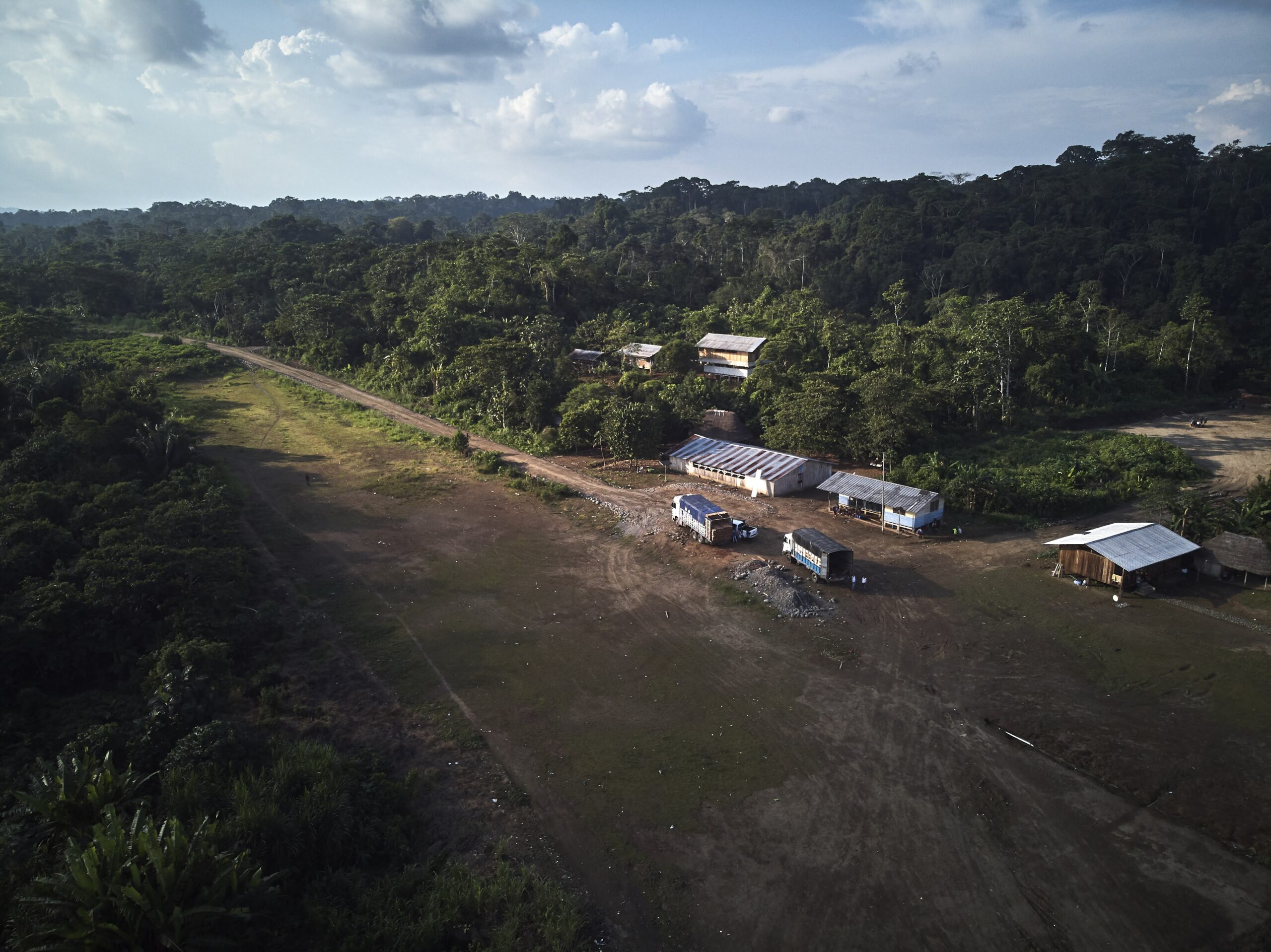
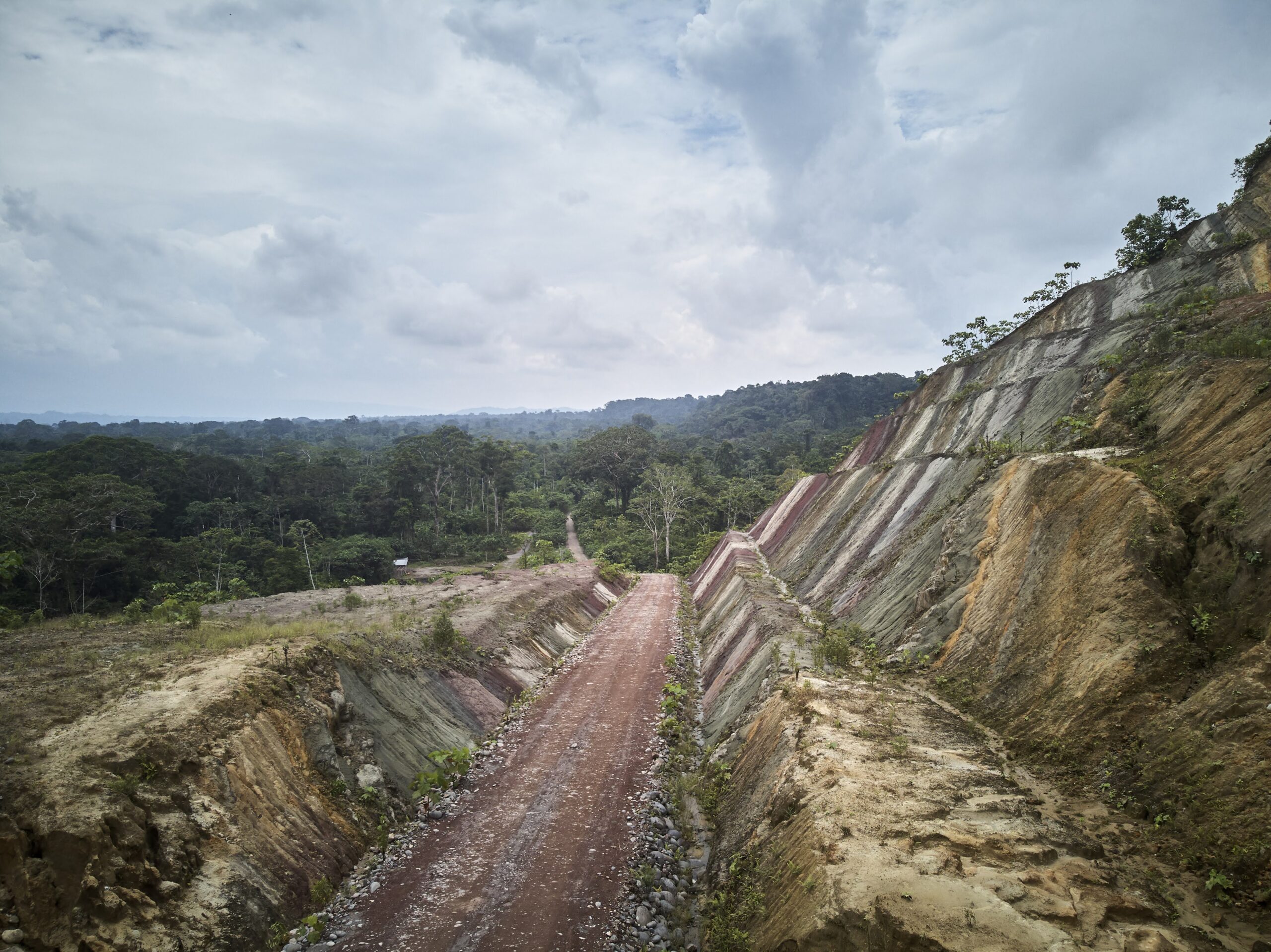
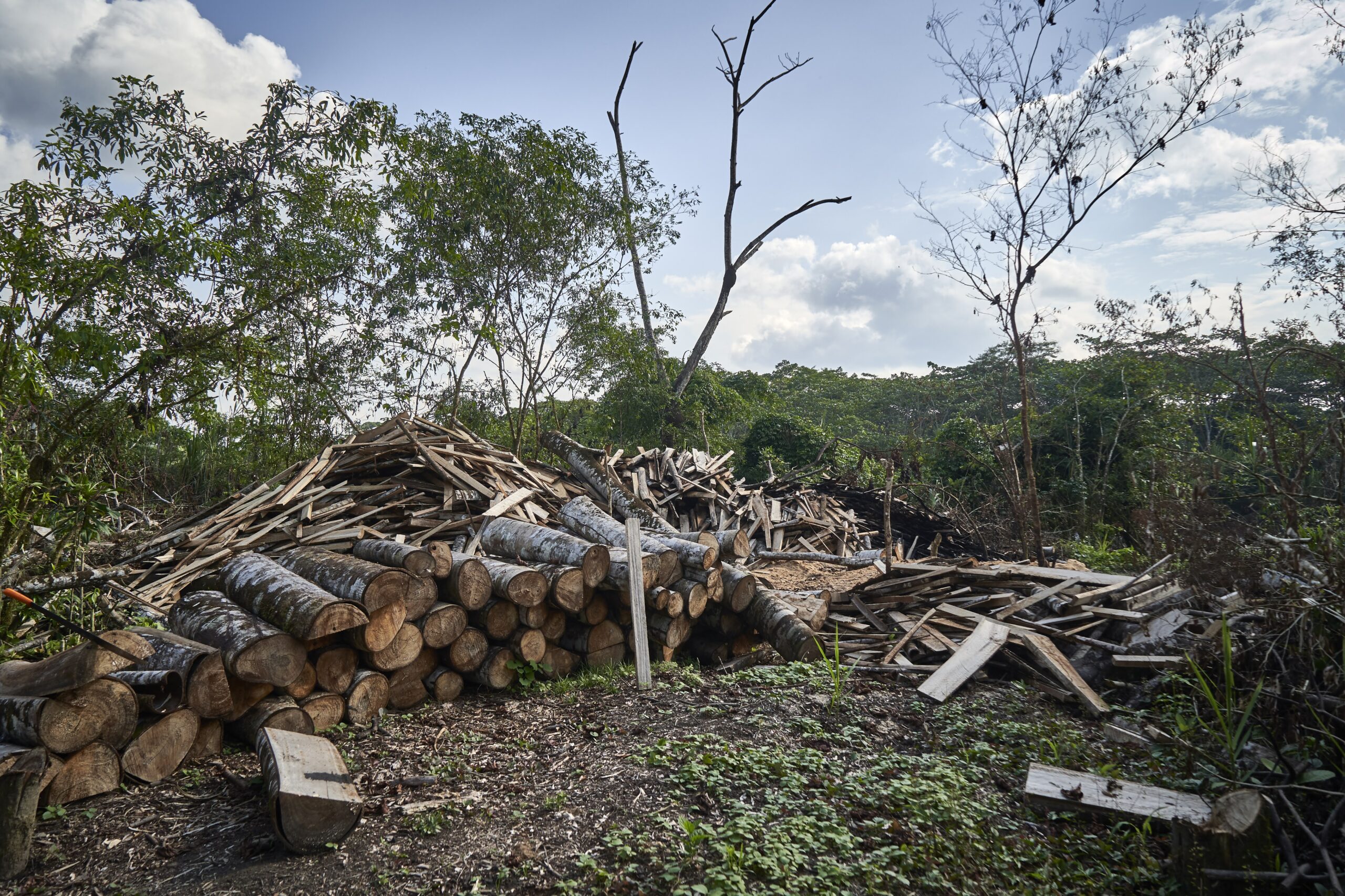
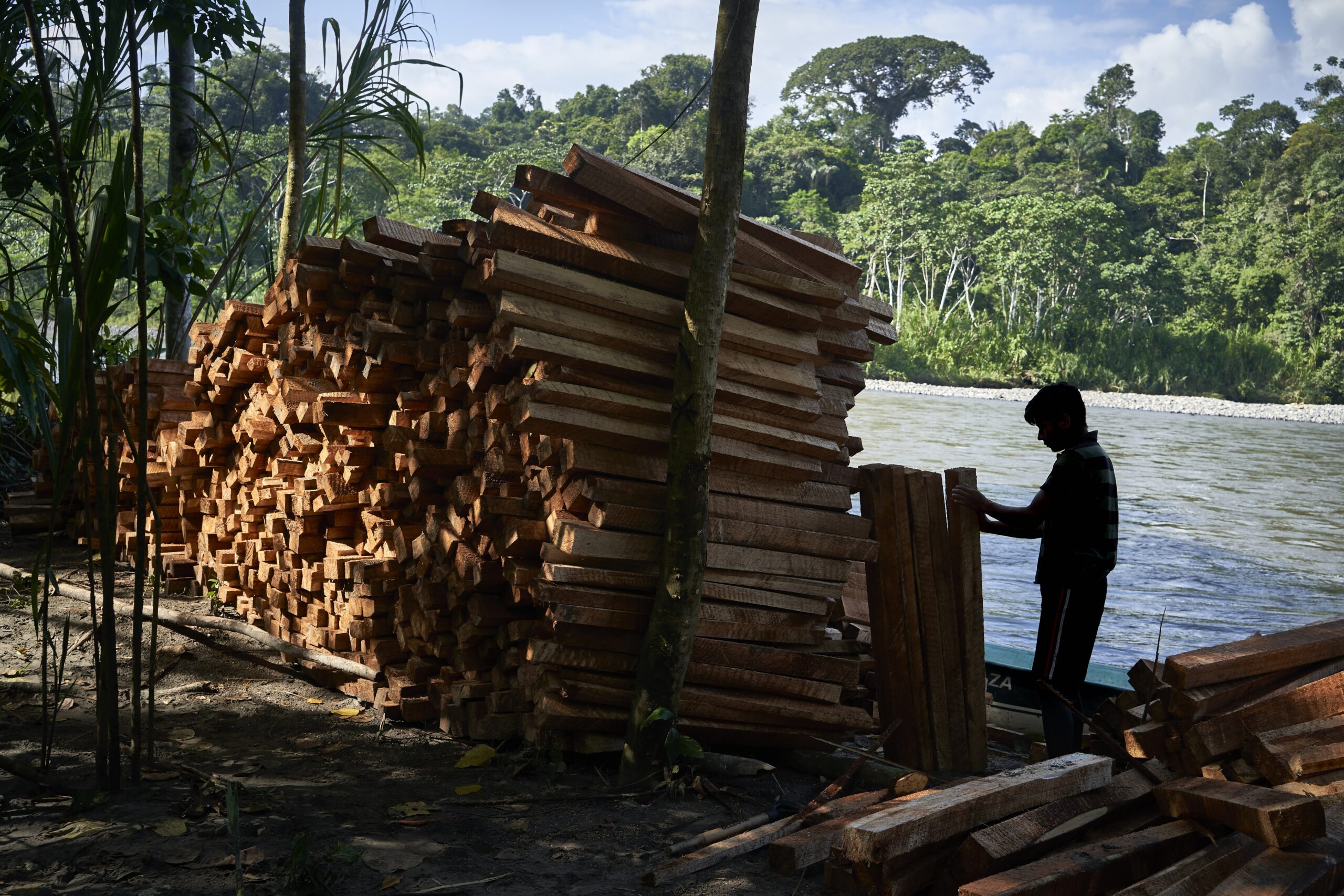
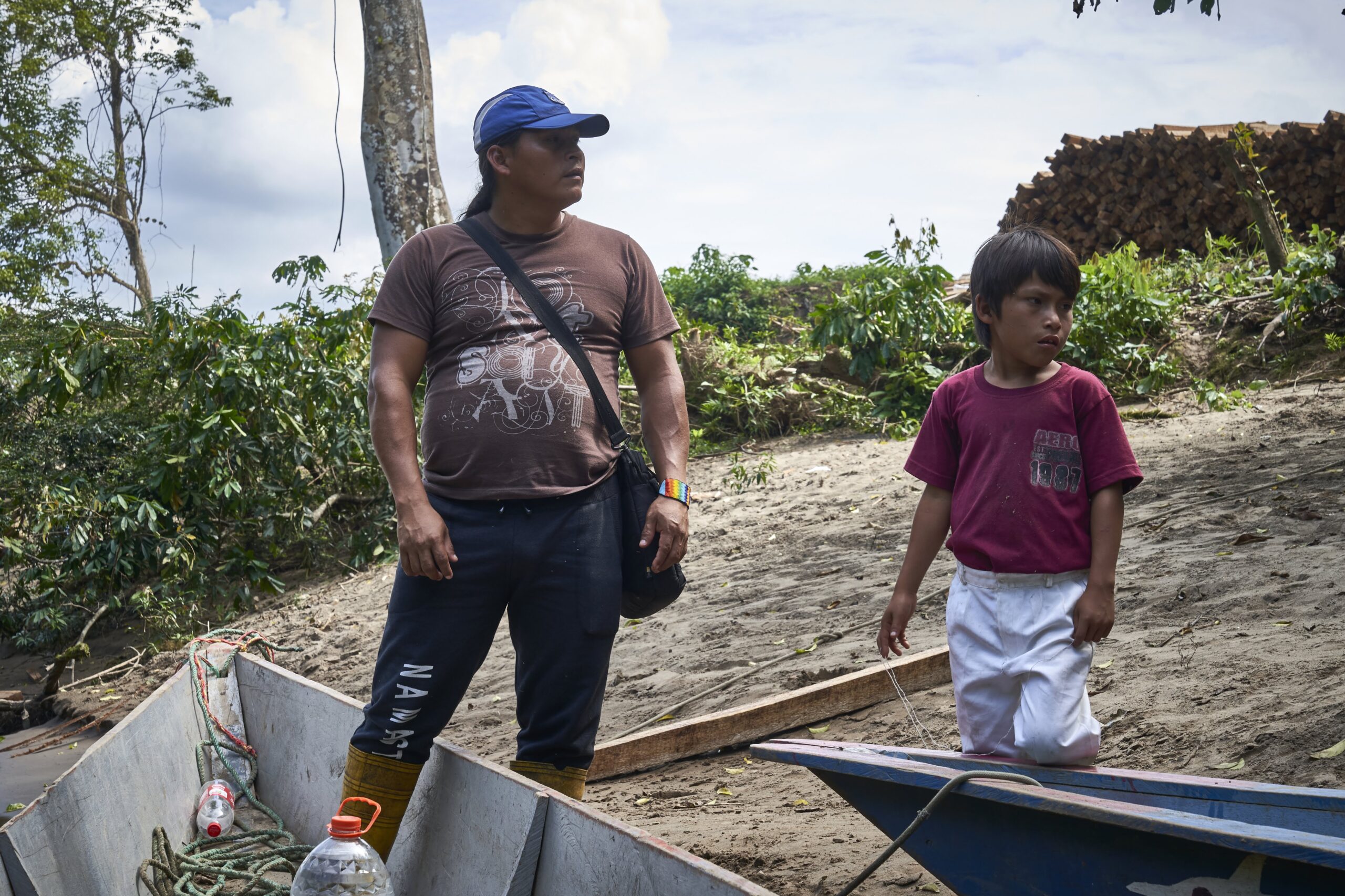
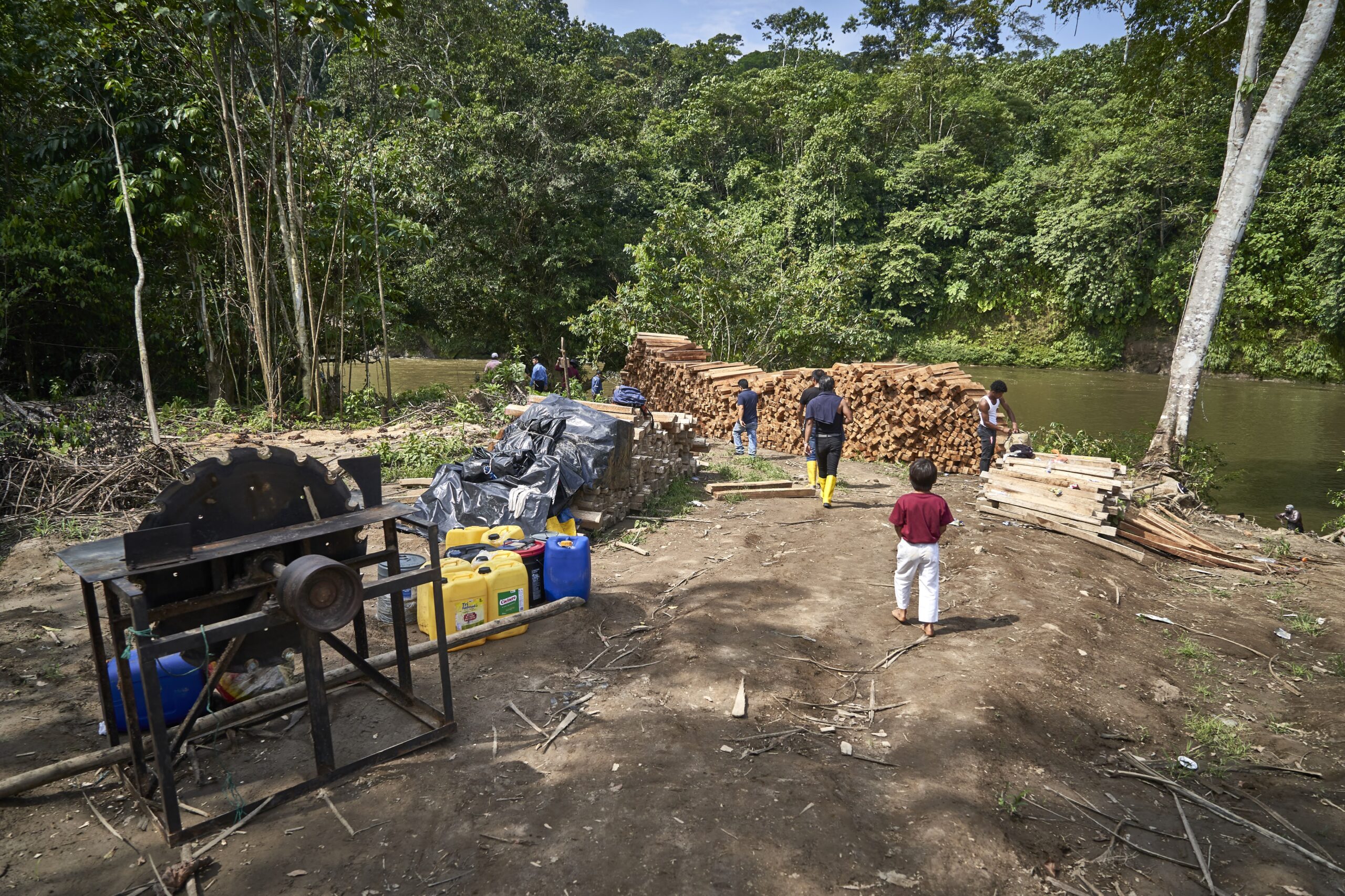
While the city was occupied, a new road promoted by the local government of Pastaza province, opened up the jungle inland, towards the Achuar community of Copataza, establishing the first road between it and the city of Puyo, putting the whole community to the test in the face of this new challenge. At that time, in spite of being still under construction and barely paved, several wood logs could already be seen piled up, waiting to be transported and then processed for export. Illegal loggers were the first to land when it came to a new road, as they were a profitable way to access wood that was well priced on the international market.
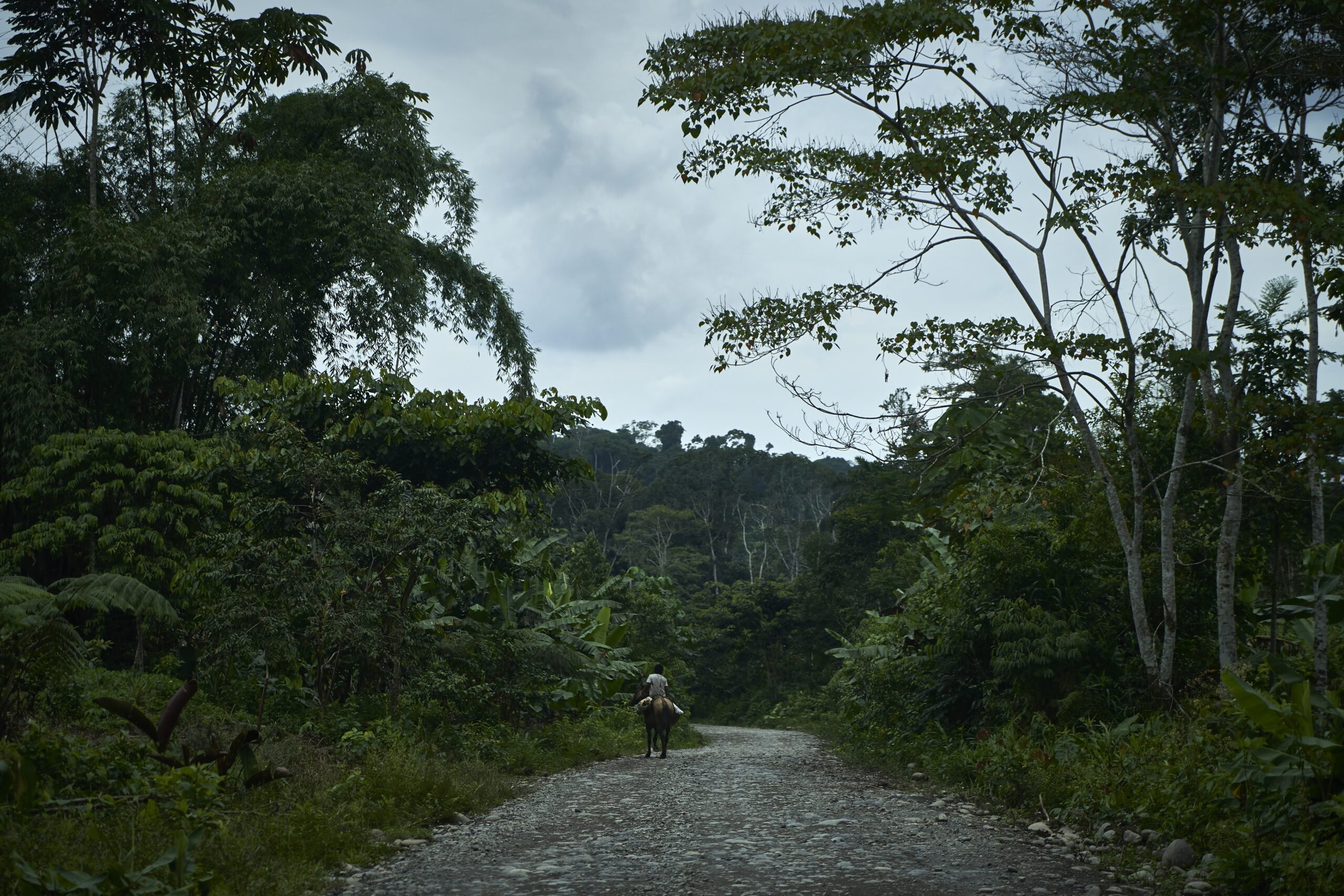
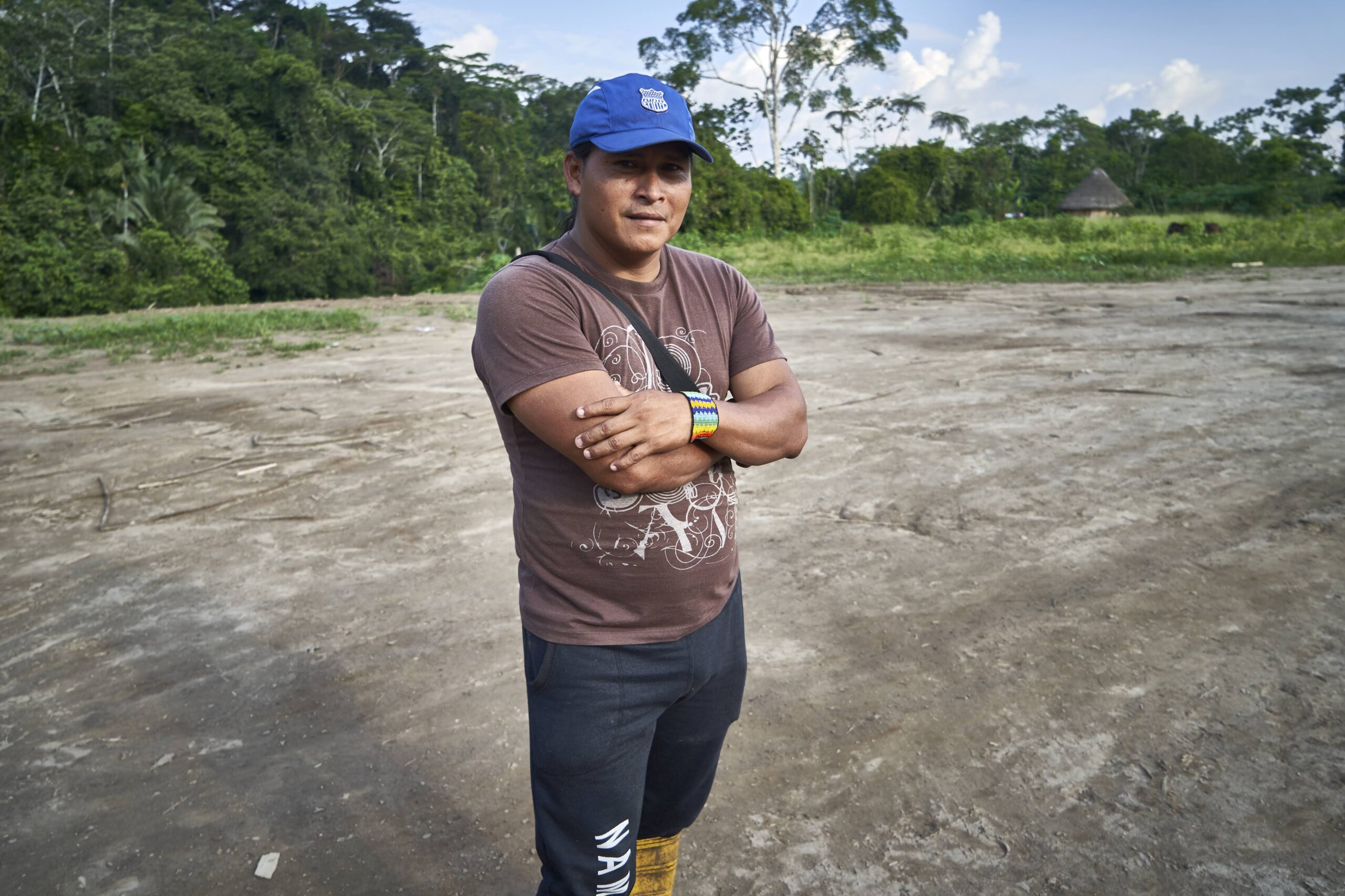
Just a few weeks ago, the road finally reached its destination, drawing a winding line that unites, but also divides. “I told my wife that we will only be united until the road arrives (…) and that is coming true,” says Aurelio, one of Copataza’s elders, as he comments on the different changes the community – founded on the youth of its parents, former nomads – has faced since the road arrived.
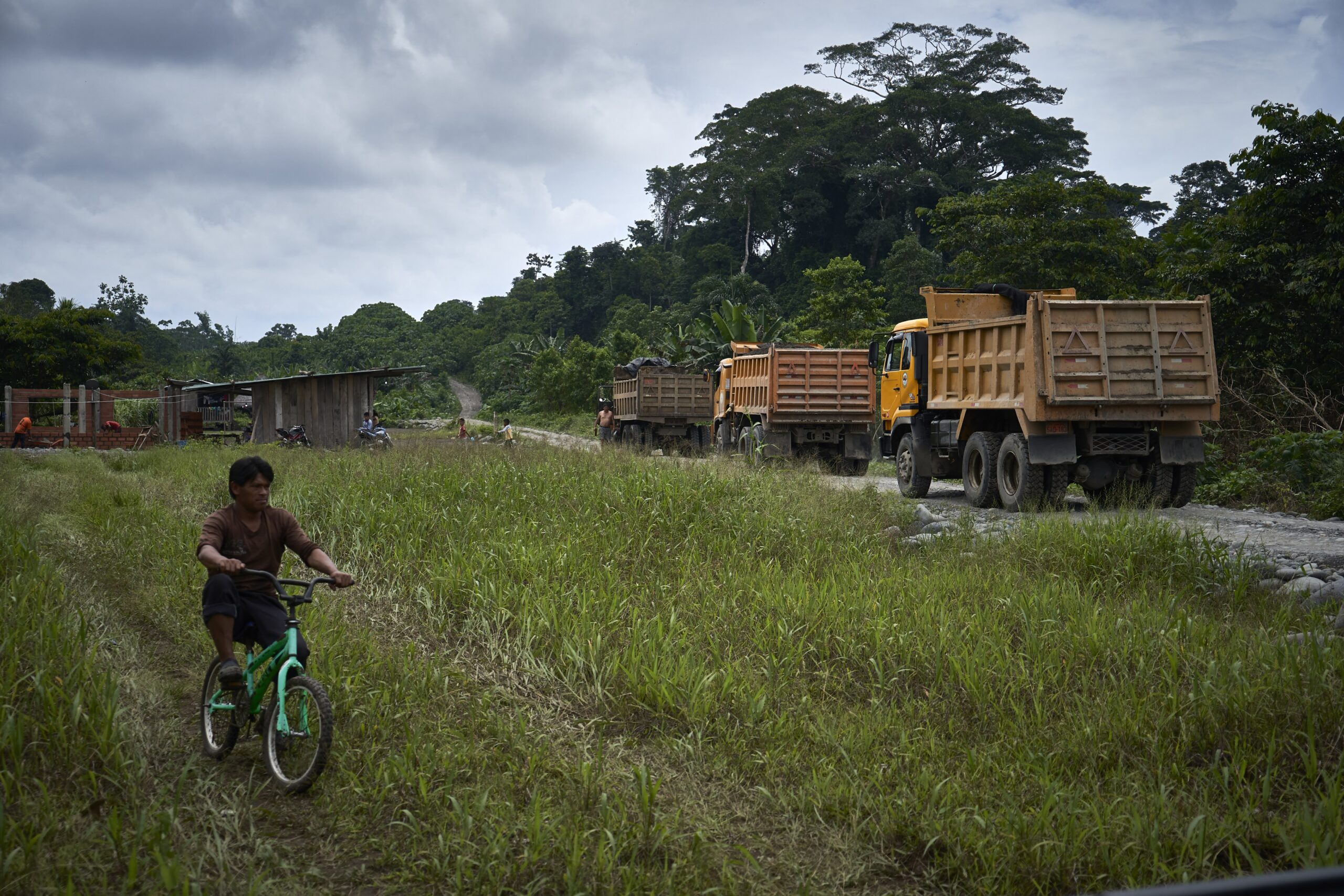
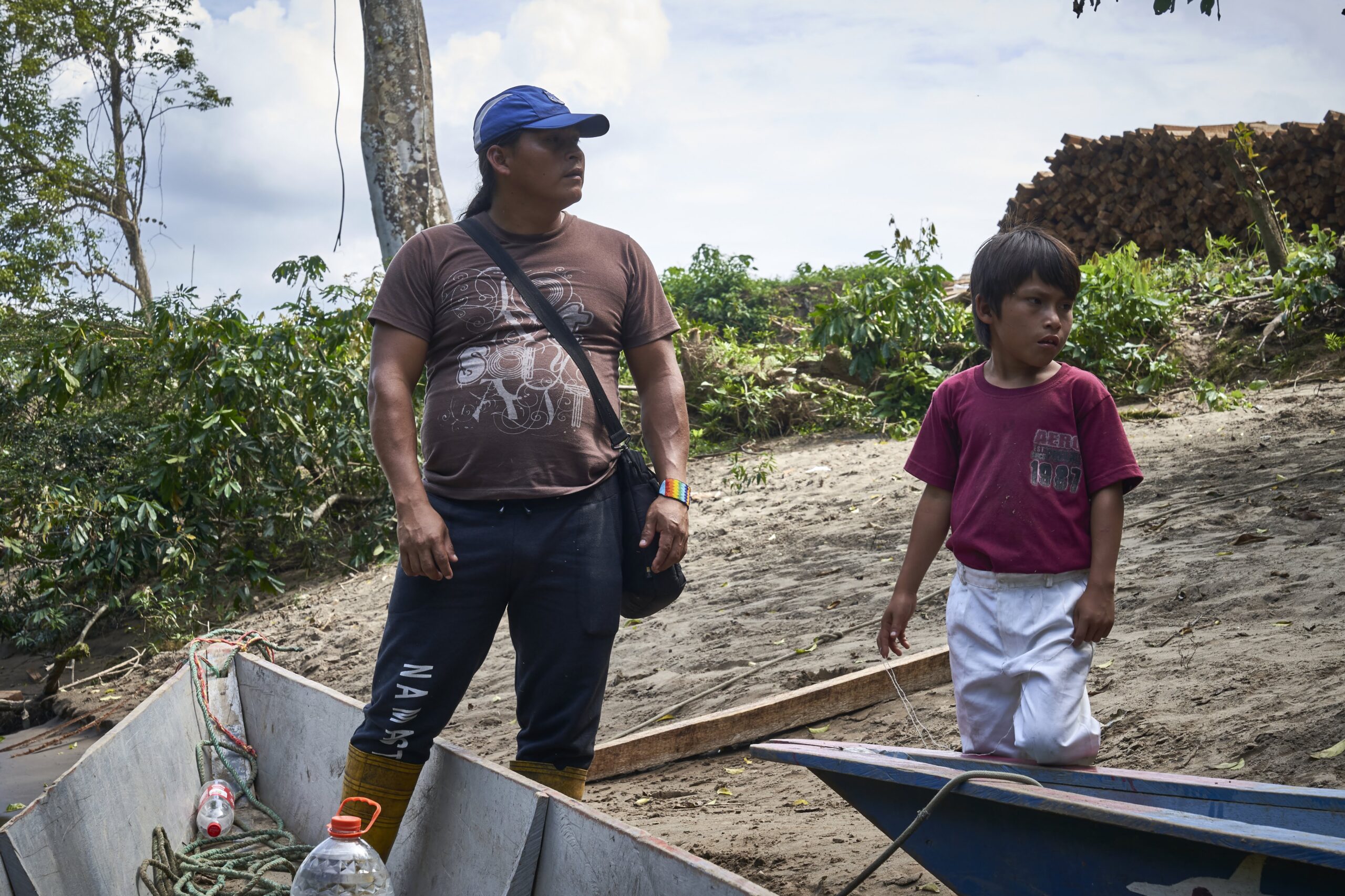
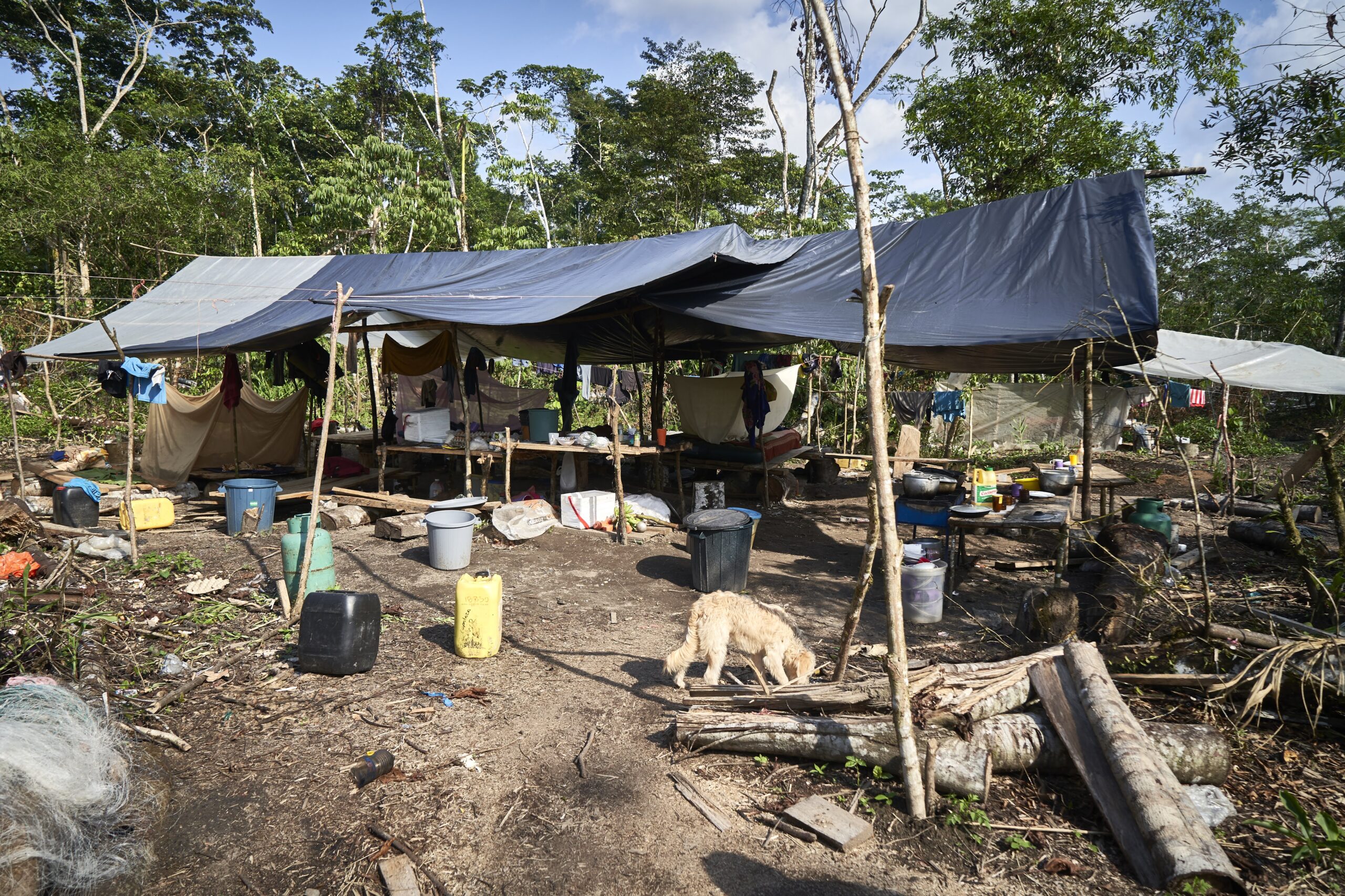
The sound landscape of Copataza is no longer the same, the sounds of machines working on the road intermingling with the songs of birds, insects, and chainsaws. The old landing strip that was the only fast way to the city of Puyo is now an abandoned field, crossed by the new road. Two cargo trucks are filled with balsa wood, extracted from the islands surrounding the community, belonging to the Achuar territory. Unknown people, who do not belong to the community, move freely, load and remove the wood.
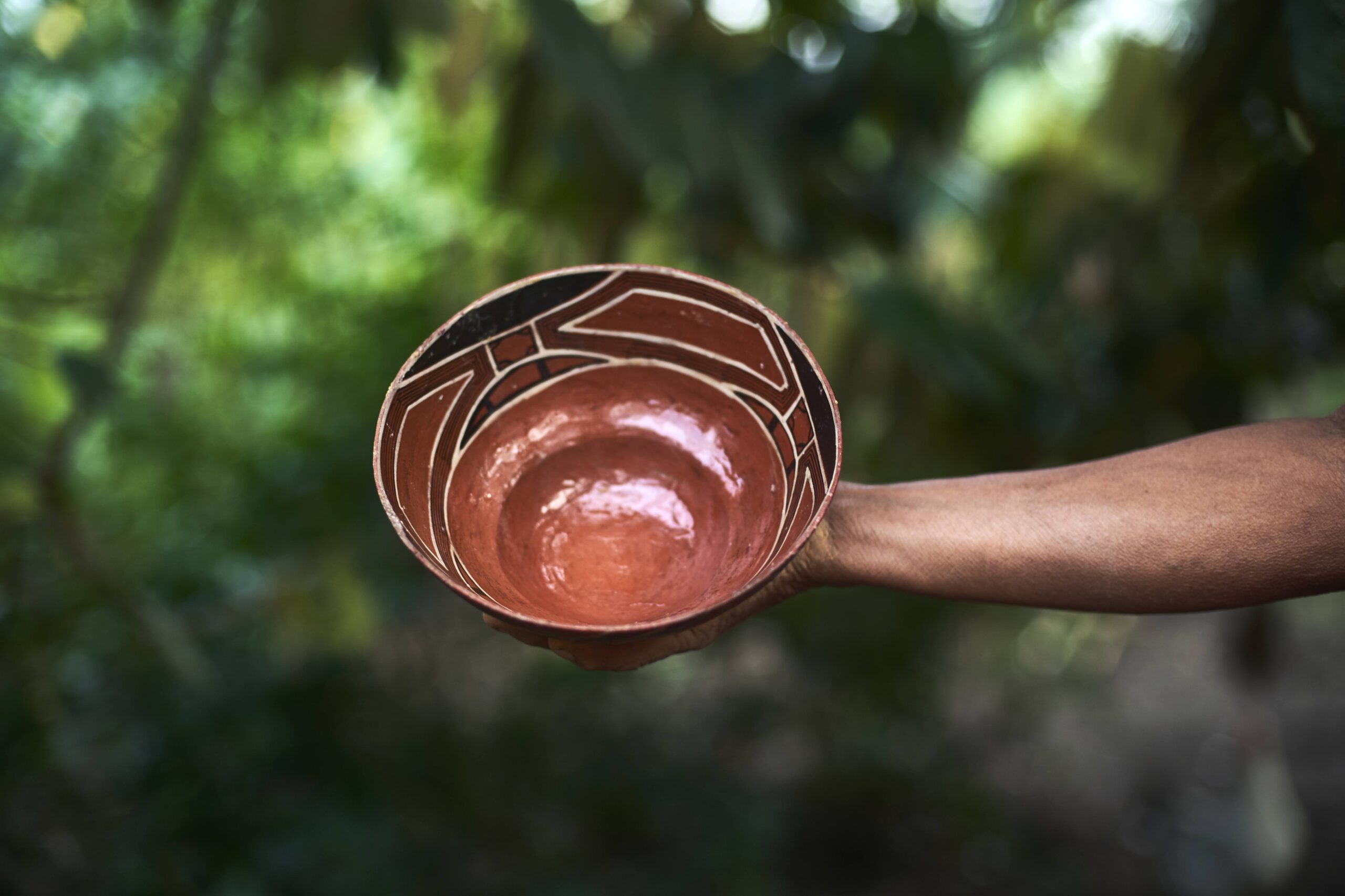
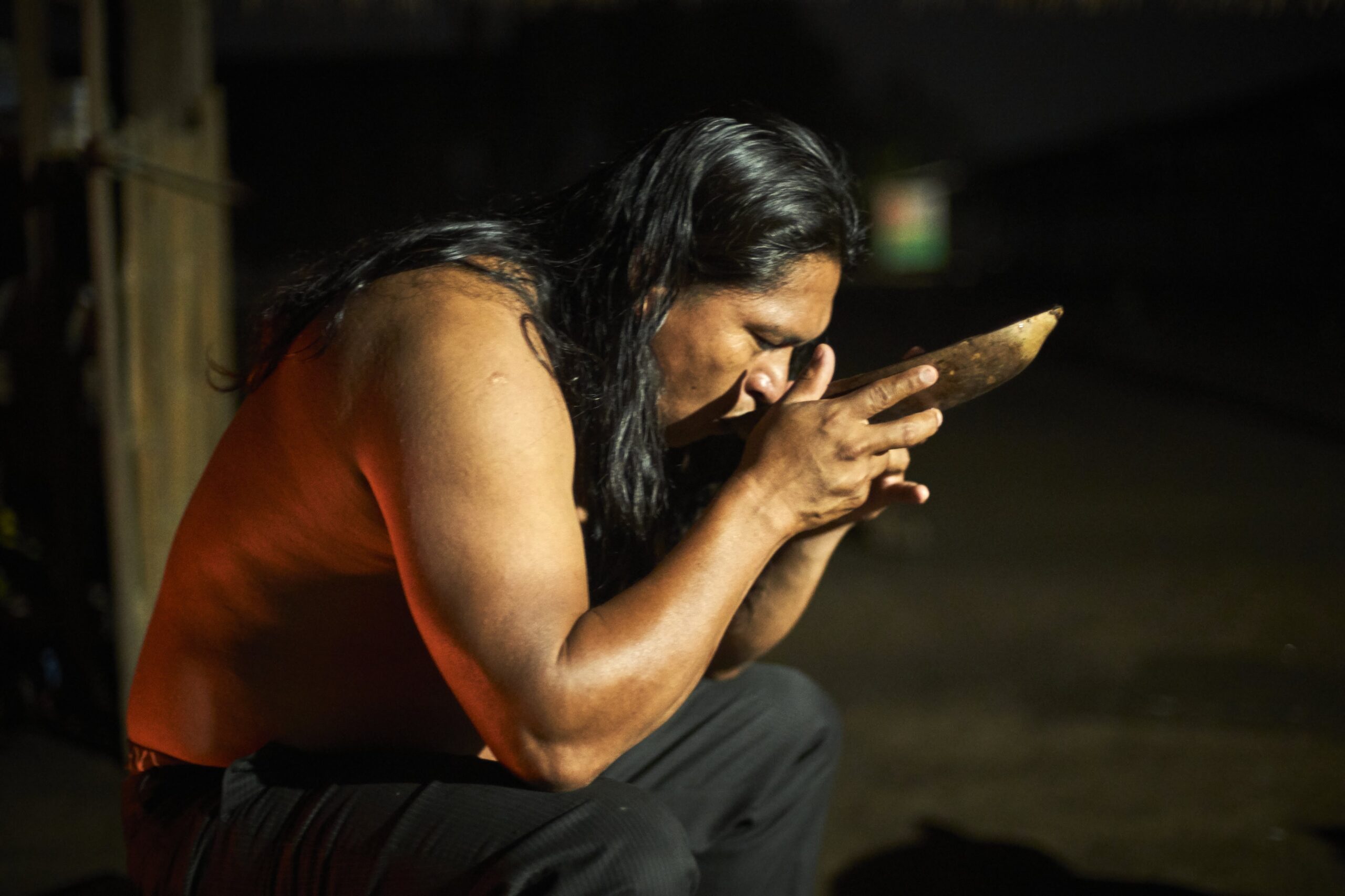
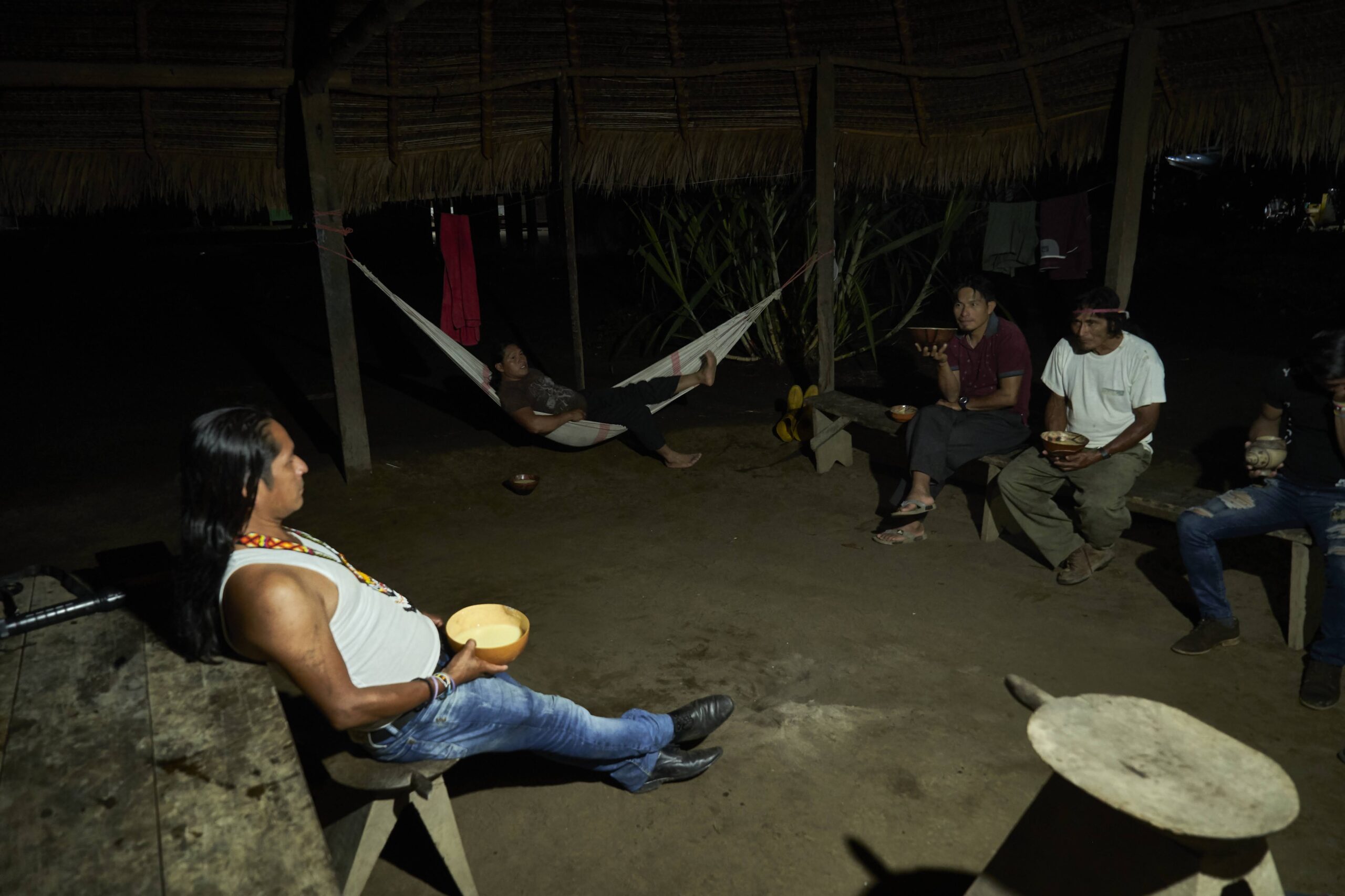
Since the beginning of the project, the Achuar have analyzed the consequences that it could bring, as well as the advantages. In Wayusa hours, a traditional drink of the Achuar, with high concentrations of caffeine, used to purify themselves in the early morning and to discuss important matters, they decided to give a definitive yes to the new road, with the condition that their community be the last point reached by it.
The youngsters are enthusiastic about the benefits that the road promises, since it would allow them to sell their products in a simpler way, as well as to access the city at a low cost, mainly in case of emergencies. In the past, the only access to the city was by an expensive flight or a hard walk: “Before, one would walk for five days through the jungle to get to the city,” says Julian Illanes, one of the former leaders of the Achuar Nationality of Ecuador (NAE).
It is unquestionable that the road has advantages for the community in terms of access to the city. The problem is that it also allows the arrival of outsiders interested in the natural resources and, once money becomes a necessity for the community, the fastest way to get it is to sell these resources.
“Now many of us are seeing the economic need. Everyone says ‘out of necessity I do this’. Before there was need, but not so much. Before just having the clothes and the machete was enough,” says Aurelio.
From the NAE, they clearly see how timber extraction poses a threat to the community, not only in terms of resources but also in terms of culture. “The first impact we face is the logging companies. We have many ideas and alternatives, but the logging company has been quicker to offer people money.” Tiyua Uyunkar, President of the NAE, says: “We are following the necessary parameters for the total blockade of these companies, but the Ministry of the Environment has done absolutely nothing. It has said that this commercialization of balsa wood does not have so many restrictions, so we have not had support”.
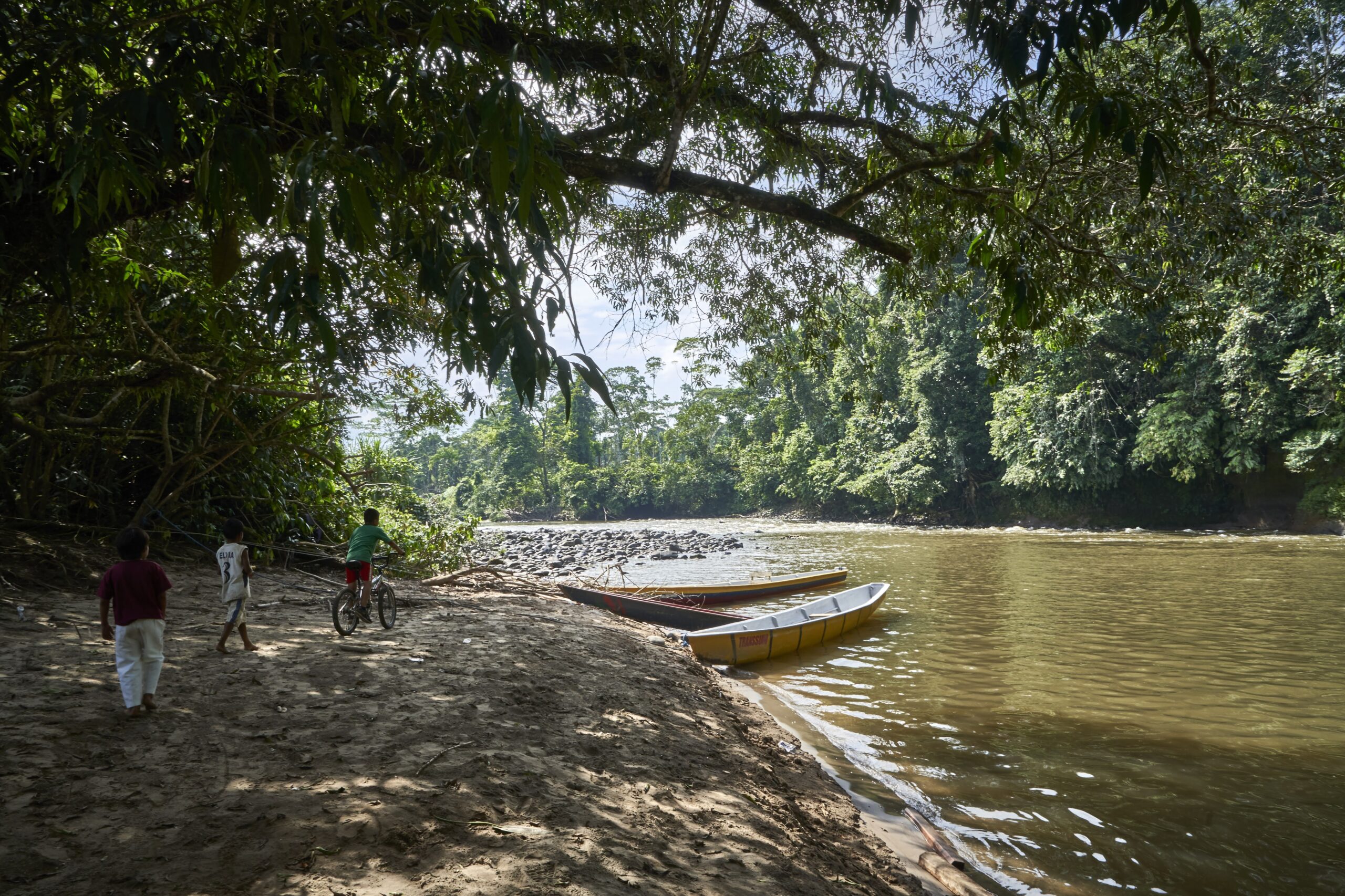
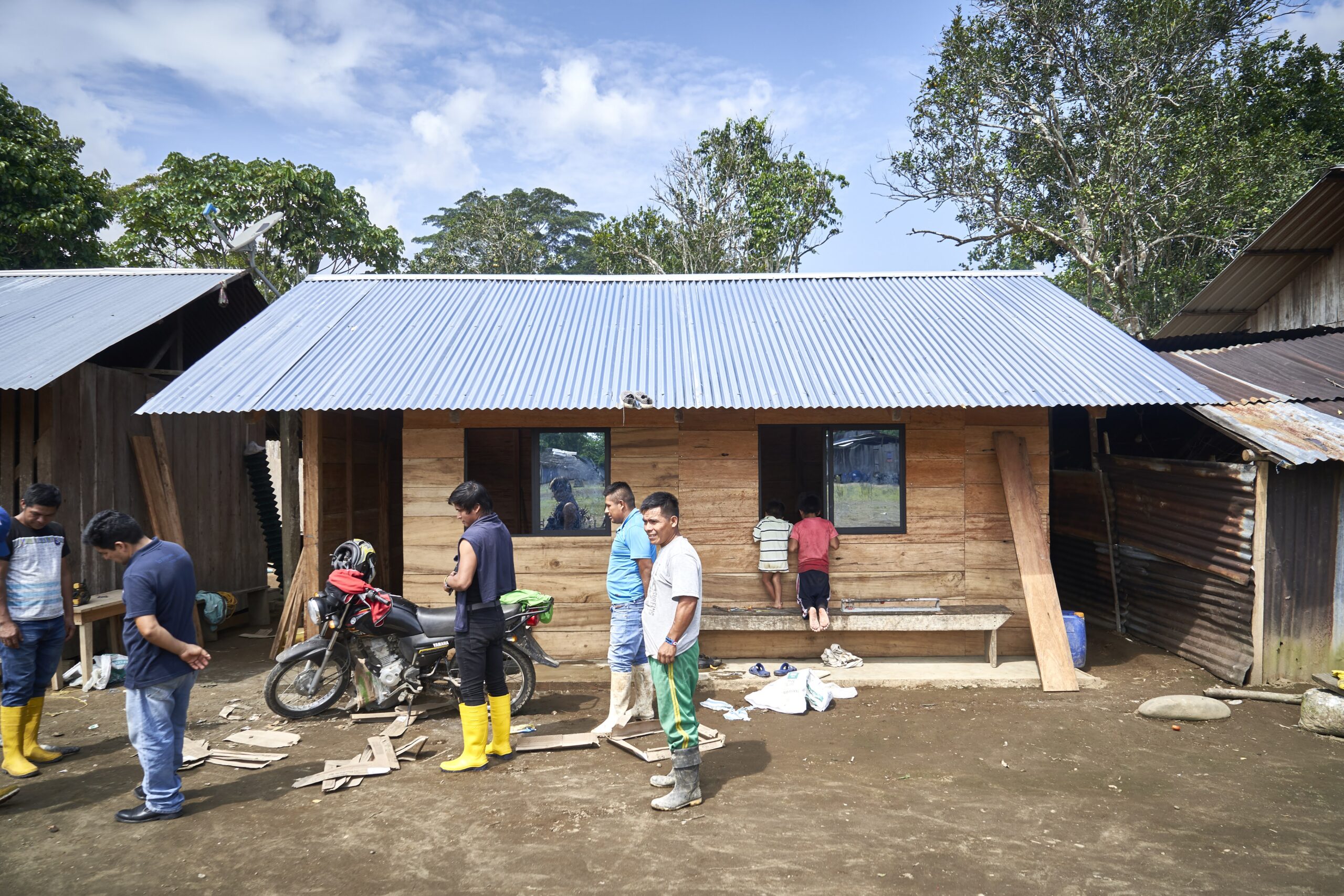
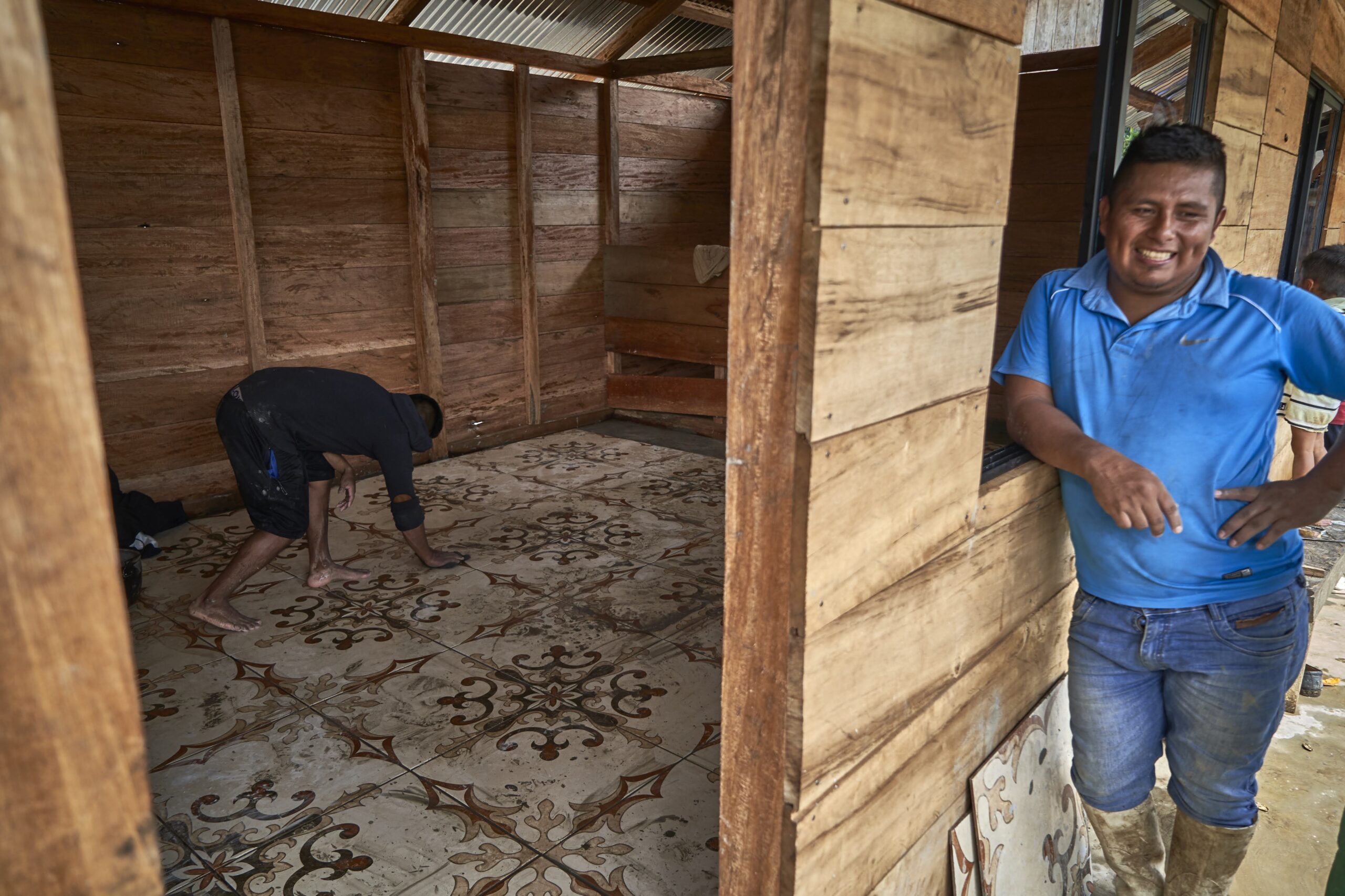
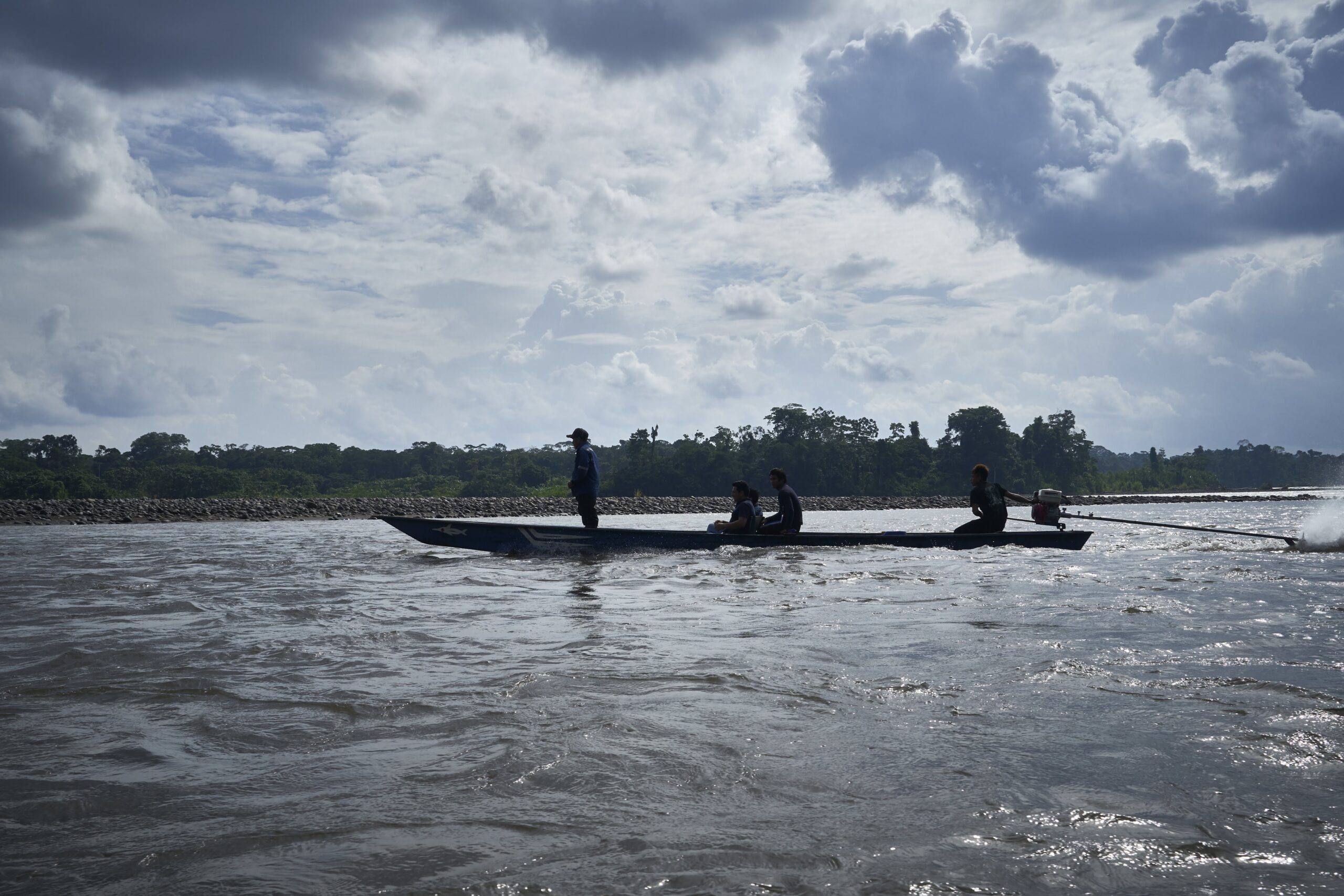
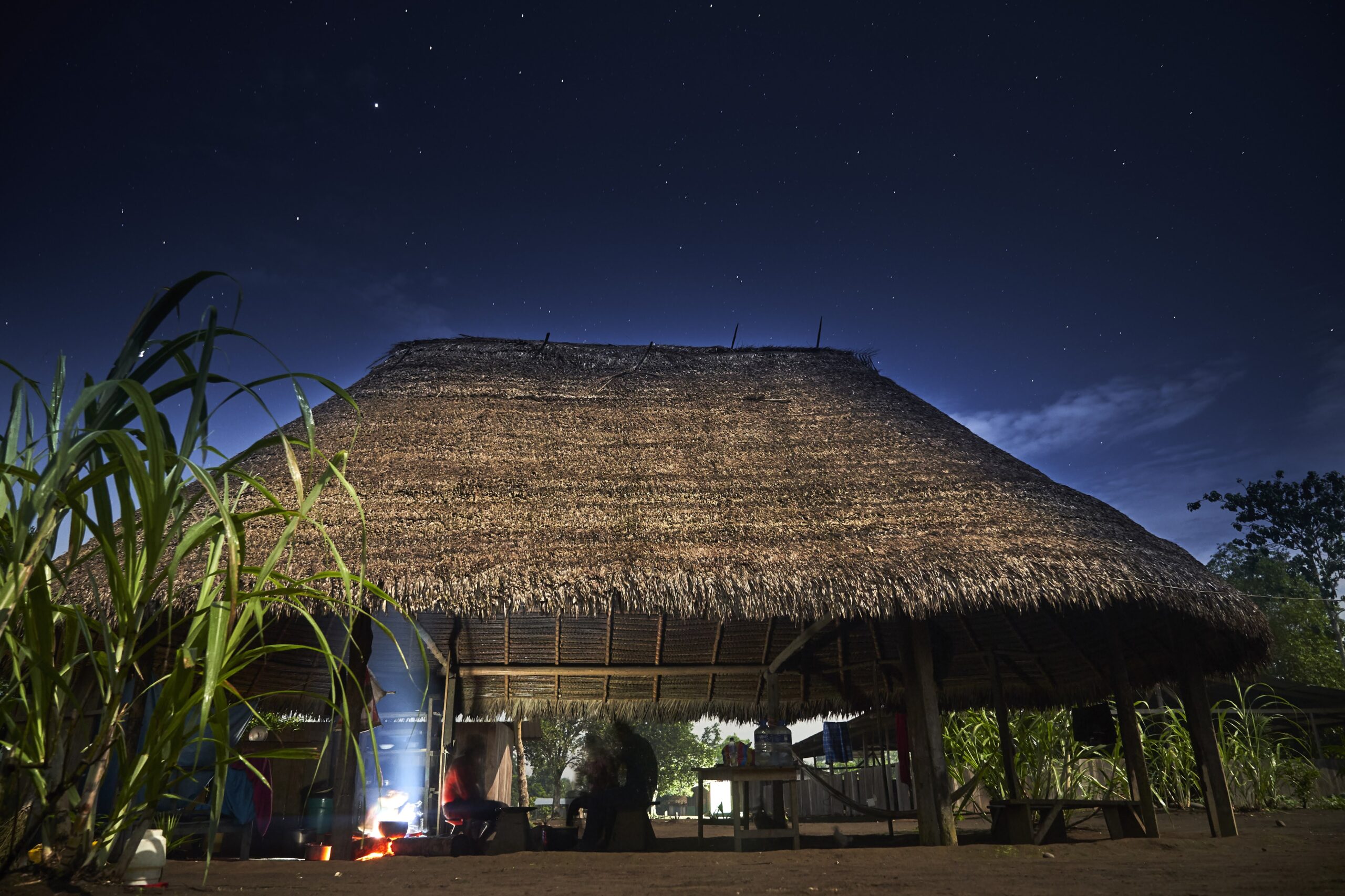
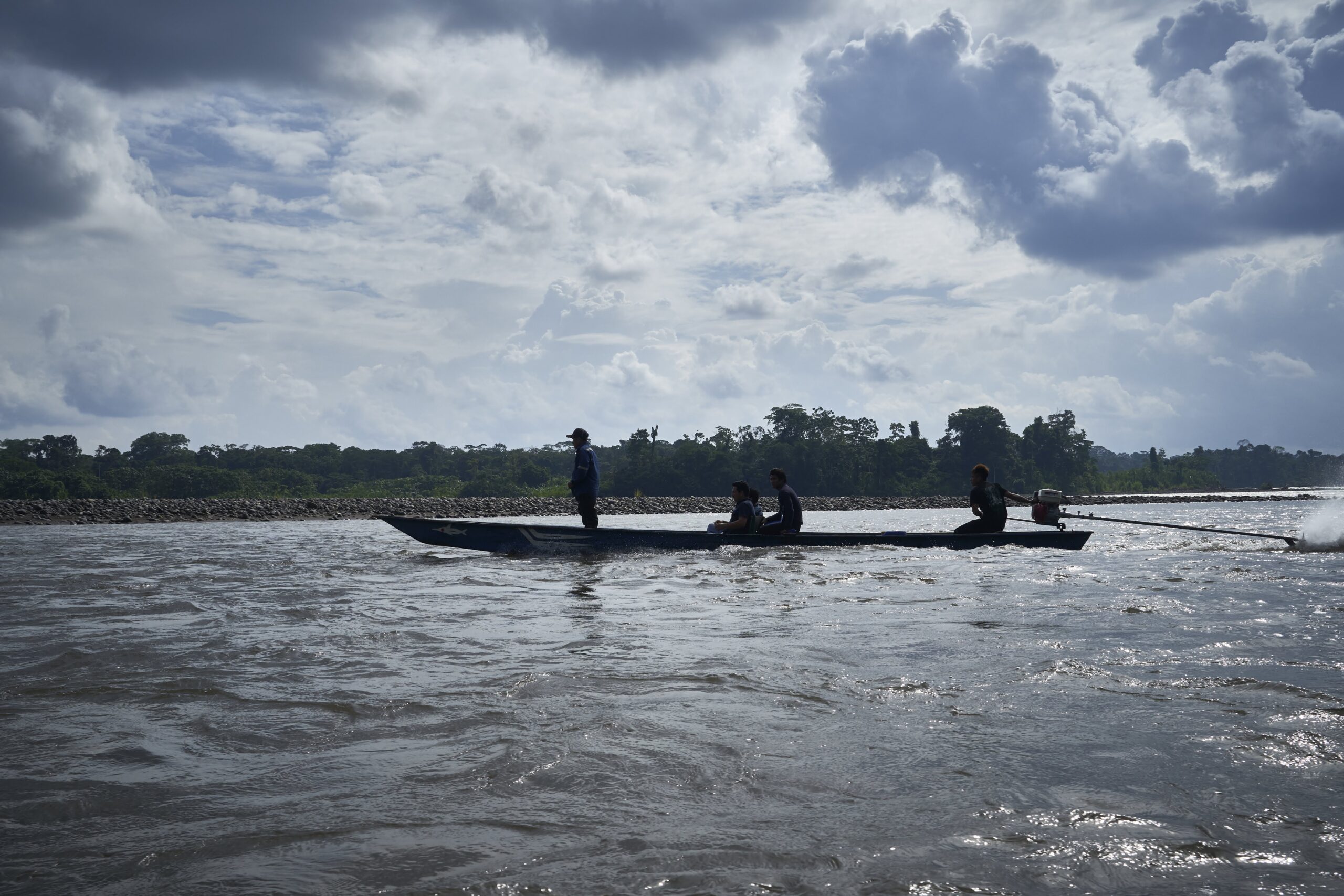
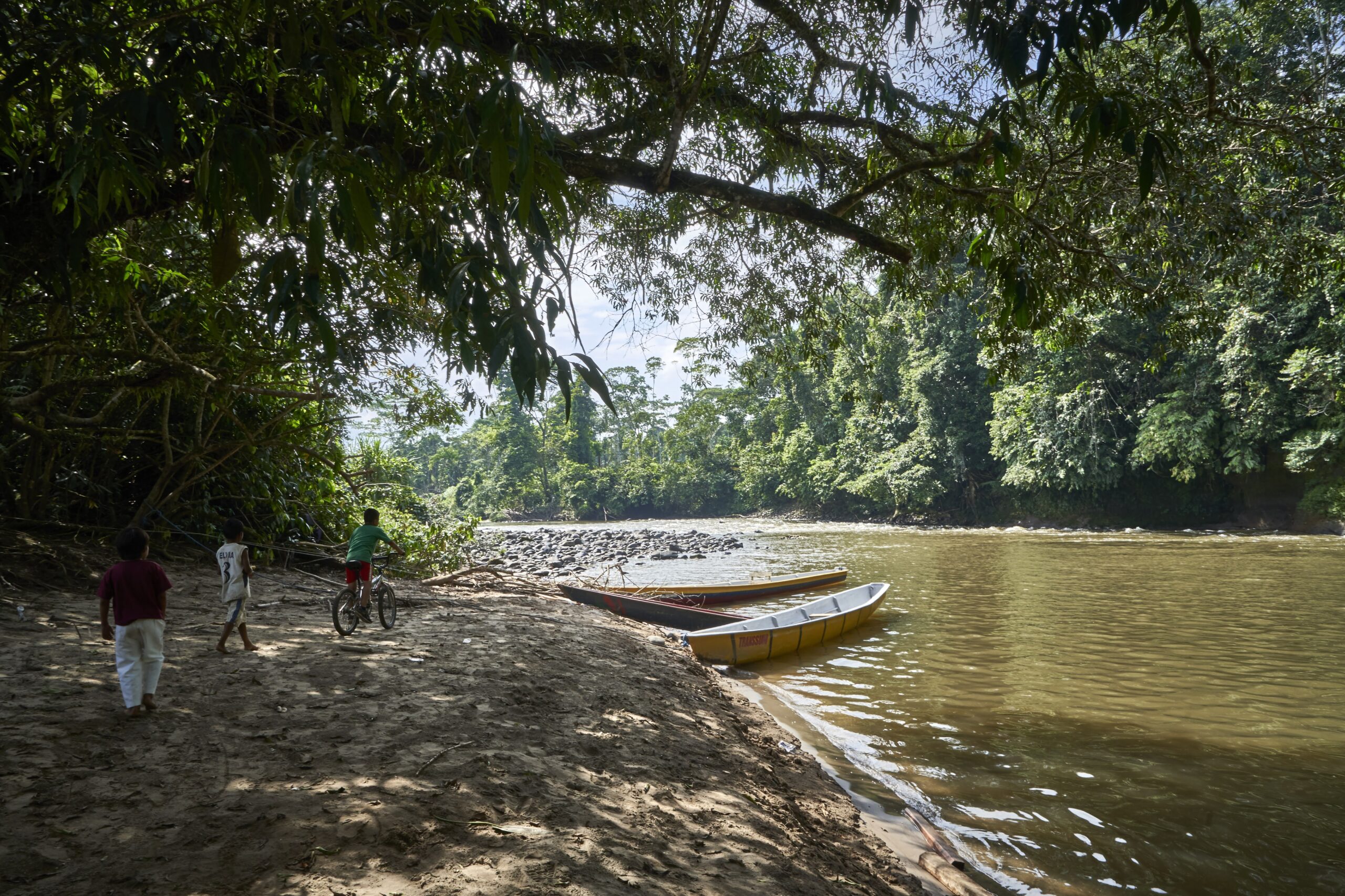
Formerly nomads, hunters and fishermen, today they are settled in a fixed territory. The traditional houses, with their wooden base and thick palm leaf roofs are gradually being replaced by new houses with sheet metal roofs, less insulating during the extreme heat of the Amazon summer and noisier in the rainy season. Agriculture is still practiced in the gardens, but hunting and fishing are gradually disappearing, to be replaced by products brought from the city. “Before there were enough fish to go around, not five or three, but two or three baskets, full. Today it is scarce, just like hunting. Before it was all jungle (…) now I see that in the Pastaza River there is so much motor canoe traffic making a racket every 10 minutes. It scares the fish away,” says Aurelio.
Immersed in a rapidly changing context, culture is that intangible territory that absorbs the collateral damage of economic interaction in indigenous communities. This is where traditions are modernized and new ones are imported, but people go on with their lives. However, the greatest threat refers to the bond with the forest, with the territory. From here on, only time will tell whether this remains that common good indispensable for the sustenance of life or simply a finite resource capable of being quickly turned into money; for a short term.