

Journalism Fellowships
Join us and pioneer the future of data integrity and authenticity in journalism
The Fellowship
Starling Journalism Fellows have cast a light on stories that define our world. But increasingly, that light must cut through a fog of generative AI, misinformation, and denialism.
We teach fellows to use advanced cryptographic tools and support their storytelling with innovative approaches from a lab co-founded by Stanford’s School of Engineering and USC Shoah Foundation. The result are powerful. Our investigations have reopened cold cases, earned top industry awards, and rebuilt trust with audiences.
Fellowship Benefits
Grants
Up to $20,000 to subsidize editorially ambitious journalism projects. Awards must facilitate a significant technology implementation that can improve trust in digital content.
Prototypes
Starling will design and build media prototypes to showcase information in novel ways, especially metadata that establishes the authenticity of digital assets.
Training
Fellows receive training and education on emerging technologies that can be used to verify and preserve important reporting.
Starling Lab wants to understand and solve problems that newsrooms face with trust and authentication. We do applied research and develop case studies, with a focus on open-source solutions that will benefit academic understanding and the wider news industry. We expect you to work on an investigation or project that stands on its own merits. Fellows can be freelancers, but must have a clear publishing plan. Grants offset your work on the authenticity aspects of the project, but are not to commission a project on its own. You and/or your publisher retain editorial control and content rights.
Recent Fellowship Partners







FAQs
Starling’s Journalism Fellowship aims to identify individuals eager to tell some of the world’s most pressing stories, infusing reporting with secure ways to capture, store and verify digital content, including photos, video, documents and data. Starling road-tests new technologies and incubates newsroom projects that strengthen data integrity, combat mis/disinformation and underscore the legacy values of journalism.
We invite the submission of proposals for investigative and accountability reporting projects in the United States and around the world that break ground on the problem of mis/disinformation and data integrity. We welcome bold ideas for how technology can strengthen authenticity in reporting, enrich crucial context, and press for accountability. We incubate specific stories pursued by journalists in the field, as well as newsroom-wide tech projects.
We are looking for individuals keen on having an impact, either through visual or document-based reporting or an innovative application of new technology. Fellows will work on individual projects and find common ground with a shared commitment to combating mis/disinformation, bolstering trust in journalism, and strengthening democracy
The Fellowship is open to full-time editorial and technology employees of newspapers, magazines, wire services, nonprofit newsrooms, digital media, television and radio news organizations, as well as independent journalists around the world. Employees of technology companies working in the media space also are encouraged to apply.
The Starling Lab invites journalists and technologists who are eager to expand their technological and storytelling skills. We encourage collaboration among interdisciplinary teams, both editorial and technology. These can be from the same organization or with collaborating newsrooms. Fellows are expected to continue their employment with their parent organization during the duration of the fellowship.
The Starling Lab encourages proposals from local journalists and applicants from underrepresented groups, especially those who are covering their own communities.
All fellows will develop a project proposal, set deadlines and remotely meet with Starling staff to discuss prototypes and potential solutions to the problems of trust, provenance, mis/disinformation, and how new decentralized technologies might provide roadmaps to such solutions. In addition to their editorial project, all fellows will be required to write or support portions of a “case study” analyzing the use of the Starling framework in their project for publication on the Starling website.
All fellows will submit a project proposal and plan. The Proposal should outline the goal of the project and/or problem to be solved. The application should explain how the applicant intends to apply the Starling Framework to the project and apply cutting edge, open-source tools to innovate, report and tell innovative stories. The proposal should outline milestones over the course of six months and budgetary requirements, not to exceed $20,000.00.
Grants are for expenses directly related to supporting the project proposal and story publication. Costs include travel, data acquisition, data analysis, technology (such as server costs or software) as well as pay for contractors used to work on editorial or data components of the project. For organizational applicants, such as newsrooms, we will consider requests to cover the cost of staff salaries or the cost of contractors used to fill in for a staff journalist who is freed up to work on the project.
General administrative and overhead costs (e.g., office rent) are ineligible. Independent journalists such as freelancers, may include in their proposed budgets the cost of their time working on a story.
Applications are on a rolling basis, starting January 1st.
Have questions? Email journalism@starlinglab.org
Case Studies
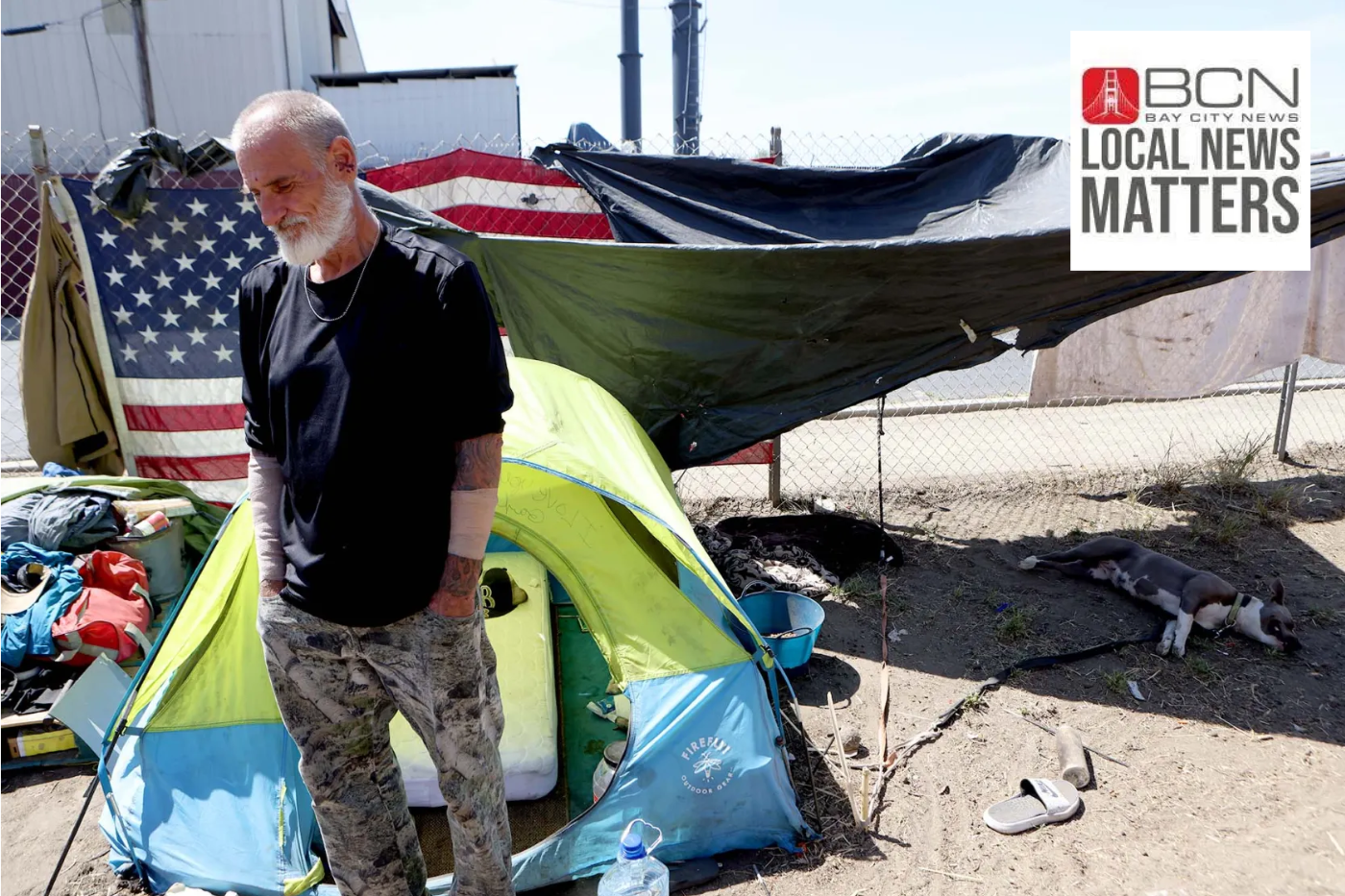
Documenting Stockton’s Homeless
Bay City News and Starling Lab pioneer cryptographic tools to authenticate images and expose the…
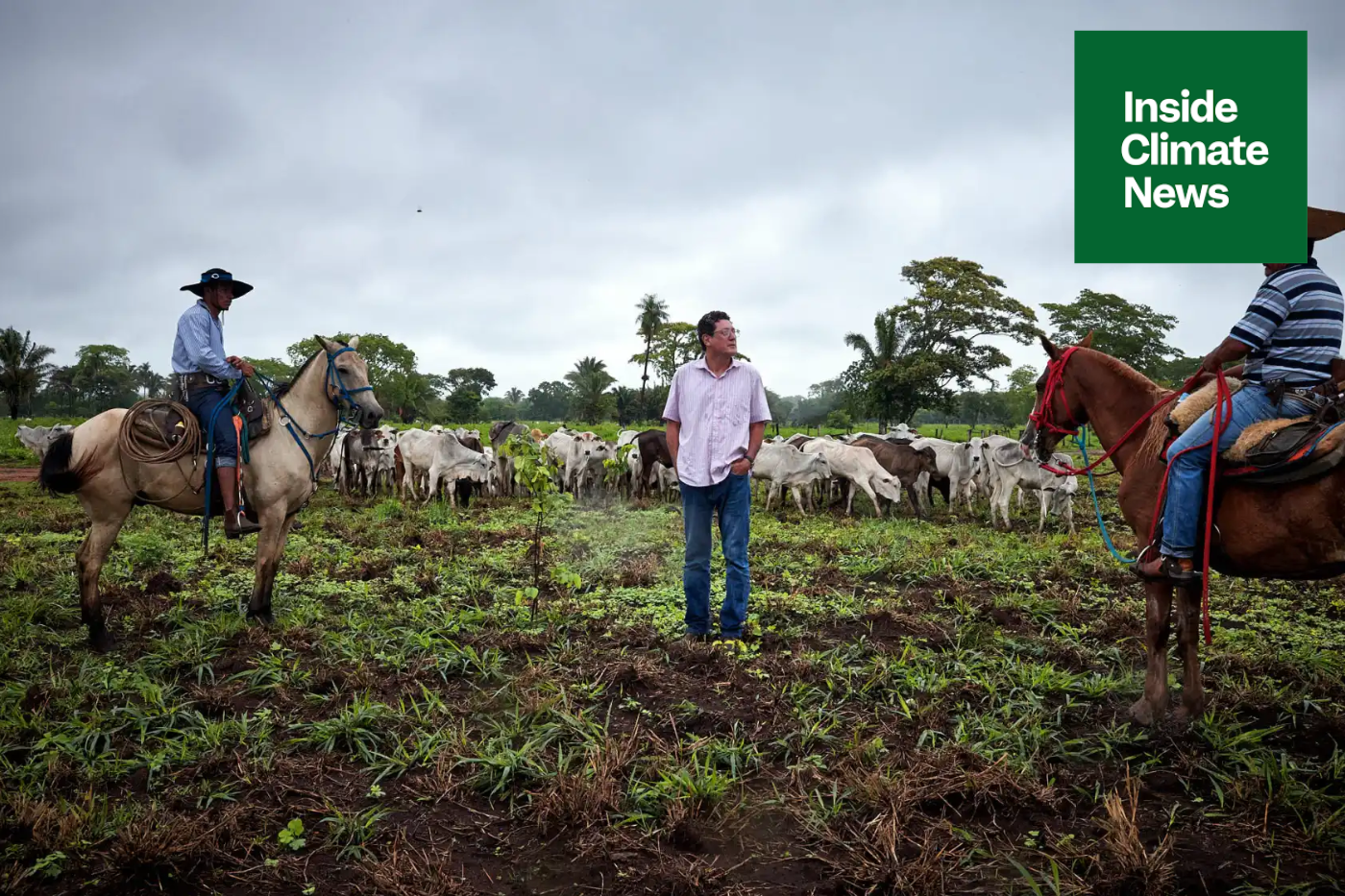
Setting the Record Straight in Brazil’s Burning Wetlands
Documenting the devastation of Brazil’s Pantanal wetlands, this story showcases a collaboration…
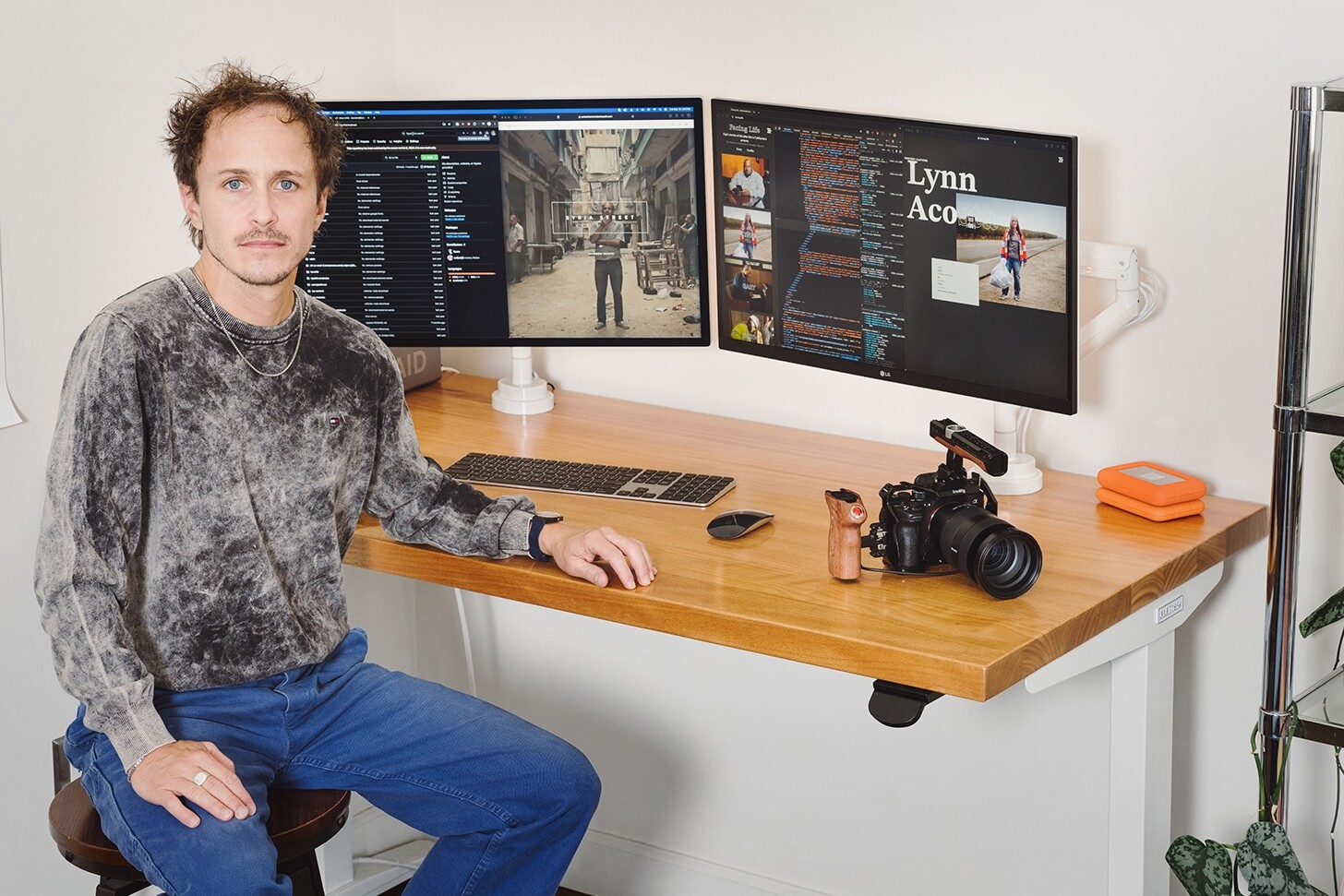
Battling Link Rot
Explore Brandon Tauszik's journey with decentralized tools to protect his multimedia projects from…
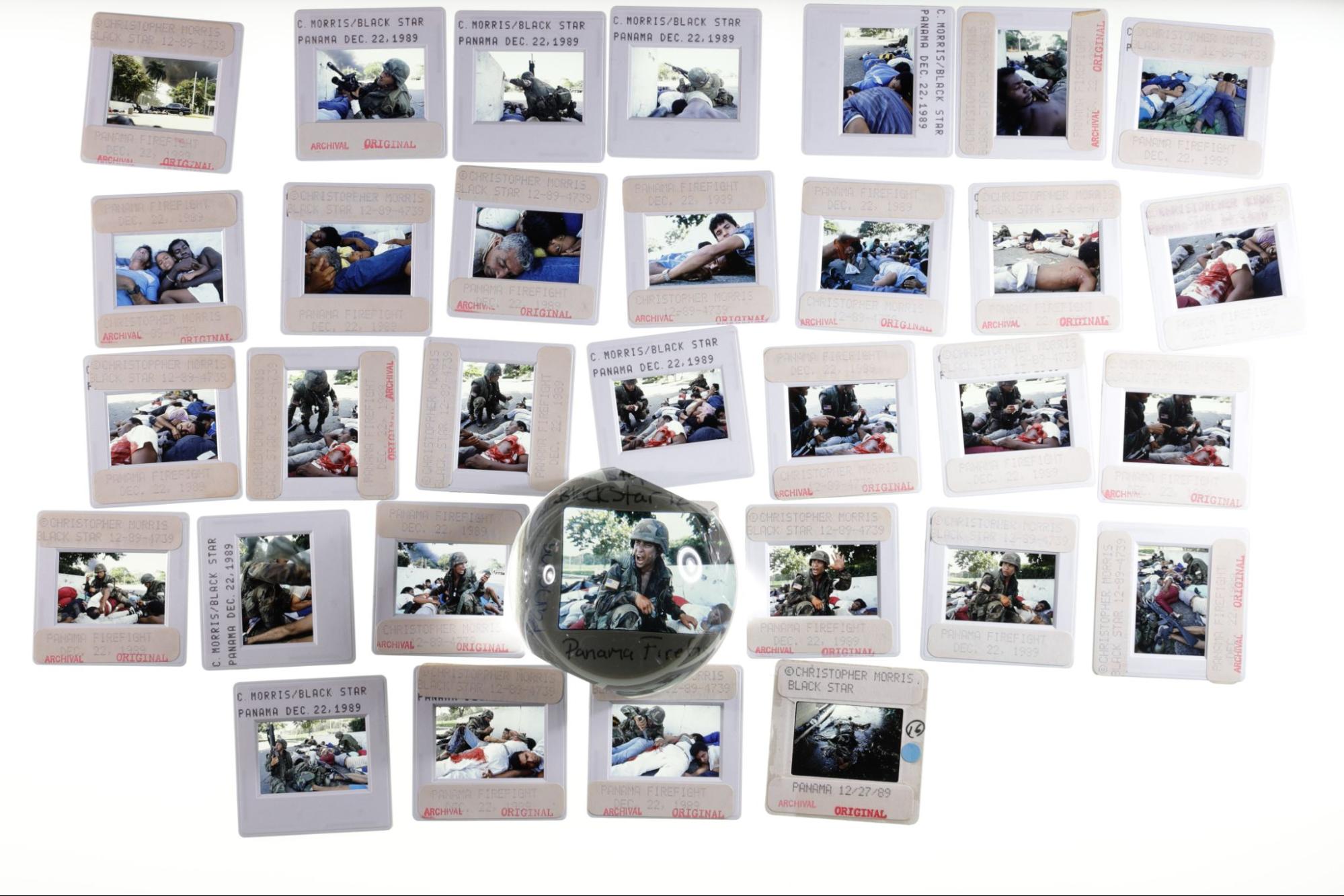
Preserving History in the Age of AI: The Christopher Morris Panama Archive
How the Authenticated Attributes protocol creates an immutable 'web of context' to save a…
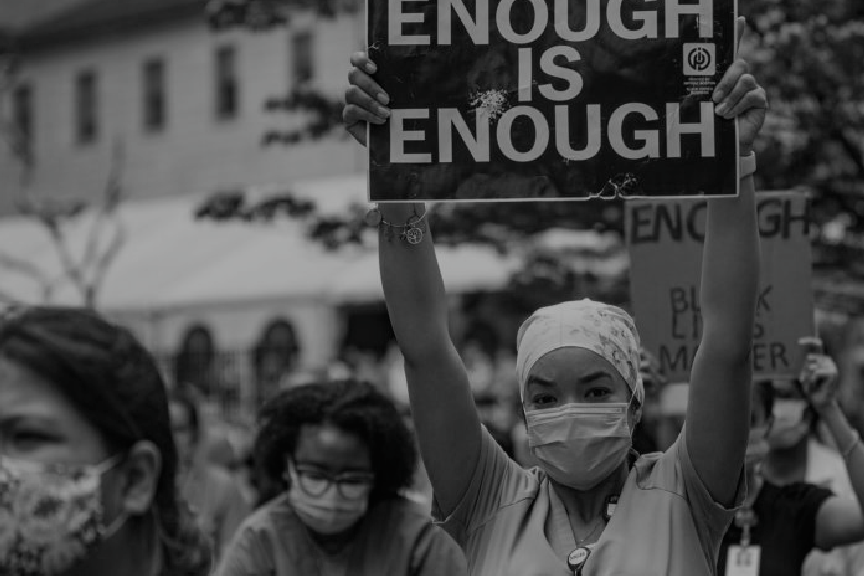
Combating Racism as a Public Health Crisis
Black Voice News & Starling Lab analyze 35+ California RPHC declarations and use verifiable data to…
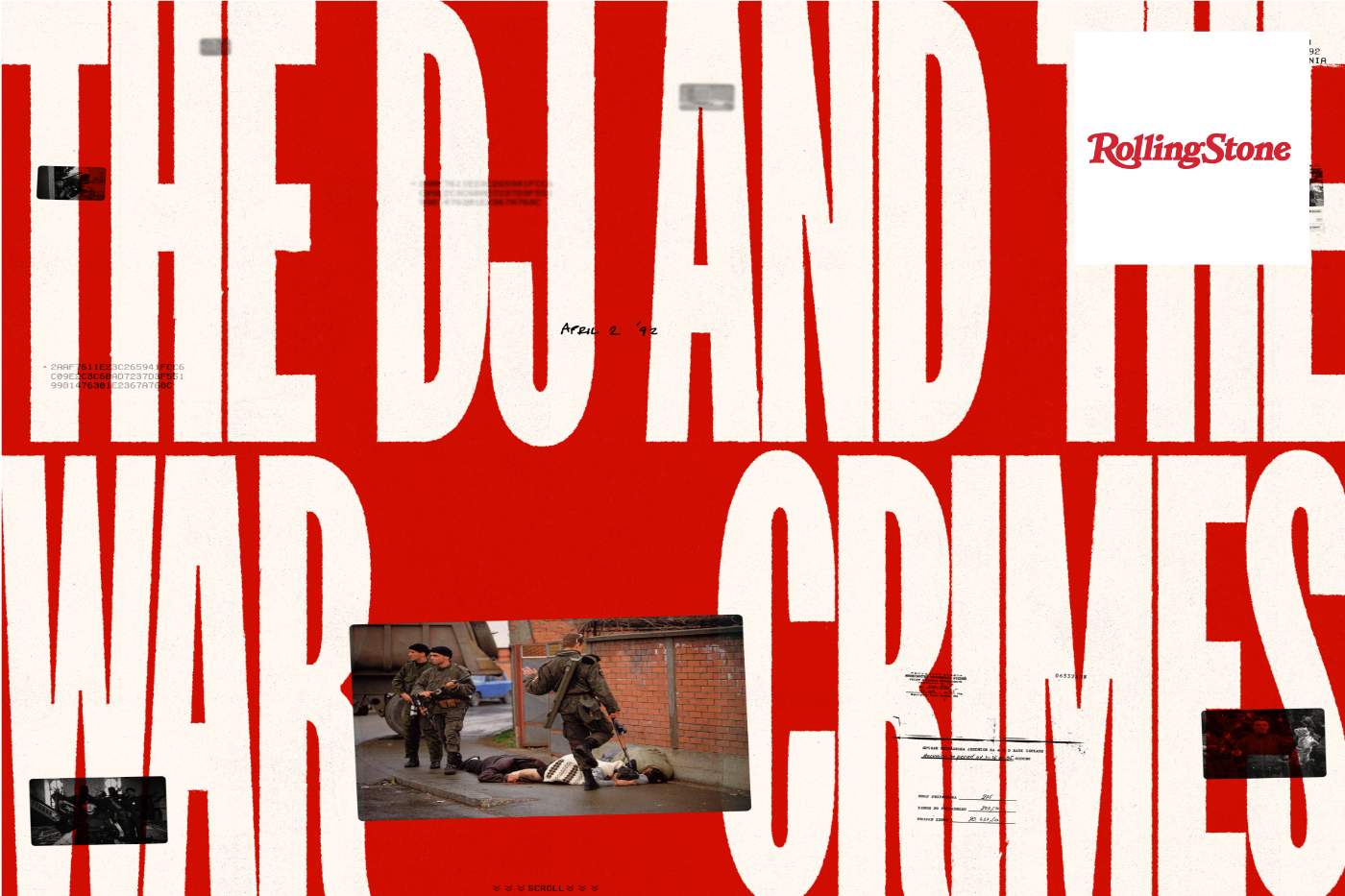
Creating the First Cryptographic Archive for a War Crimes Investigation
A first-of-its-kind cryptographic archive published by Rolling Stone helped reopen a 30-year-old…
2026 Fellows
Sandeep Abraham
INDEPENDENT FRAUD INVESTIGATOR
Investigating large-scale online financial fraud using Starling’s authenticity tools and distributed storage to cryptographically secure and preserve digital evidence for publication.
2025 Fellows
Mike Caronna
INDEPENDENT 3D RESEARCHER
Caronna’s research into NeRFs, Gaussian Splats, and advanced reconstruction techniques led to the creation of our Spatial Lab and area of practice.
Fred Grinstein
MEDIA EXECUTIVE / PRODUCER
Grinstein explored the intersection of AI and documentary filmmaking, examining how generative tools can transform non-fiction storytelling while preserving authenticity and audience trust.
2024 Fellow
Kira Pollack
FORMER PHOTO EDITOR
(TIME, VANITY FAIR)
Pollack’s project explored potential solutions for at-risk archives of photojournalists, communities and so-called newspaper “morgues,” which are quickly disappearing as publications downsize. Working with photojournalists Christopher Morris and David Guttenfelder, Pollock explored the use of emerging technologies, including cryptography, decentralized ledgers, and the use of AI to capture, store and verify select photo collections. Morris’s collection pointed to the need for preservation of individual photojournalists’ and authors’ archives, including the rich metadata and contextual information they collect. Guttenfelder’s unique photographic record of North Korea was the focus of cryptographic authenticity work in Stanford University Electrical Engineering class, EE292J Designing for Authenticity.
2023 Fellows
Brandon Tauzik
INDEPENDENT PHOTOJOURNALIST
The Link Rot Rescue project explored how journalists can use web3 to publish to preserve their content and rebuild lost websites.
Paulette Brown Hinds
BLACK VOICE NEWS
This project, led by Mapping Black California’s graphics editor Candice Mays, tracked declarations in the Combatting Racism as a Public Health Crisis project, captured, archived, and authenticated webpages with statements, media, and social posts in an interactive map display.
Reuters and Canon
INDUSTRY PARTNERS
Building on the Lab’s first, 2021 case study “78 Days” which examined the Jan. 6, 2021 attack on the U.S. Starling joined forces with Canon to further authenticate the images taken by Reuters photographers on that day, inject metadata and establish a chain of trust from the point of capture to publication.
Cheryl Philips
STANFORD JOURNALISM, BIG LOCAL NEWS
The “Narrative Watch” project published and analyzed public records from police departments that involve “use of force” by officers where subjects were seriously injured or killed.
2022 Fellows
Garance Burke
ASSOCIATED PRESS
This investigation examined police seizures on COVID-19 tech to expand global surveillance, and was part of the AP’s award-winning Tracked investigative series. Recognition included a first place National Headliner Award for “Public service in newspapers in top 20 media market; a News Leaders Association – finalist for First Amendment Award; and a Clarion Award (Association for Women in Communications) – winner for Newspaper Investigative Series.
Harika Maddala
BAY CITY NEWS
Local photographers documented the Homeless crisis in Stockton, California while transparently tracking data from relevant government agencies.
Martin Chan
SOUTH CHINA MORNING POST
The deputy photo editor led a team that applied the Starling Framework to establish provenance over images taken during Hong Kong’s Legislative Council and Chief Executive elections.
Pablo Albarenga
INSIDE CLIMATE NEWS
How we used authenticated camera capture tools to better secure metadata at source, for a project published with Inside Climate News.
Aaron Huey
AMPLIFIER.ORG
The Founder and Creative Director of Amplifier researched and mapped the Web3 ecosystem for visual applications answering the question: “How might we Design for Authenticity?”
Sophia Jones
ROLLING STONE
Starling’s former executive editor conducted a year-long investigation into war crimes committed during the Balkan war. The award-winning project analyzed the history of 30-year-old photographs taken by photojournalist Ron Haviv. The project was nominated for a 2023 News & Documentary Emmy Award for Outstanding Interactive Media. The project also was awarded a First for Innovation from the National Press Photographers Association’s Best of Photojournalism; Best Digital Design from the American Society of Magazine Editors, and a Scripps Howard Award finalist for “Excellence in Innovation,” among several other awards.
Journalism & Reporting Honors
- American Society of Magazine Editors (ASME): Winner – Best Digital Design
- National Press Photographers Association (NPPA): First Place: Innovation
- Overseas Press Club (OPC): Citation for Excellence – Kim Wall Award
- National Press Club: Runner-up – Joan M. Friedenberg Online Journalism Award
- Society of Publication Designers: Finalist for Web/app, Custom Feature Design
Design & Digital Excellence
- The Best Design Awards: Purple + Gold Pins
- Good Design Awards: Gold Winner
- Society of Publication Designers (SPD): Finalist – Custom Feature Design
- The FWA: Site of the Day
- Awwwards: Site of the Day