Pilot Project on Making Web Preservation Easy for Investigative Journalism
Journalism
In the digital age, the “smoking gun” is often a fleeting URL, a social message that gets edited minutes later, or a listing on a grey-market website that vanishes once a sale is made.
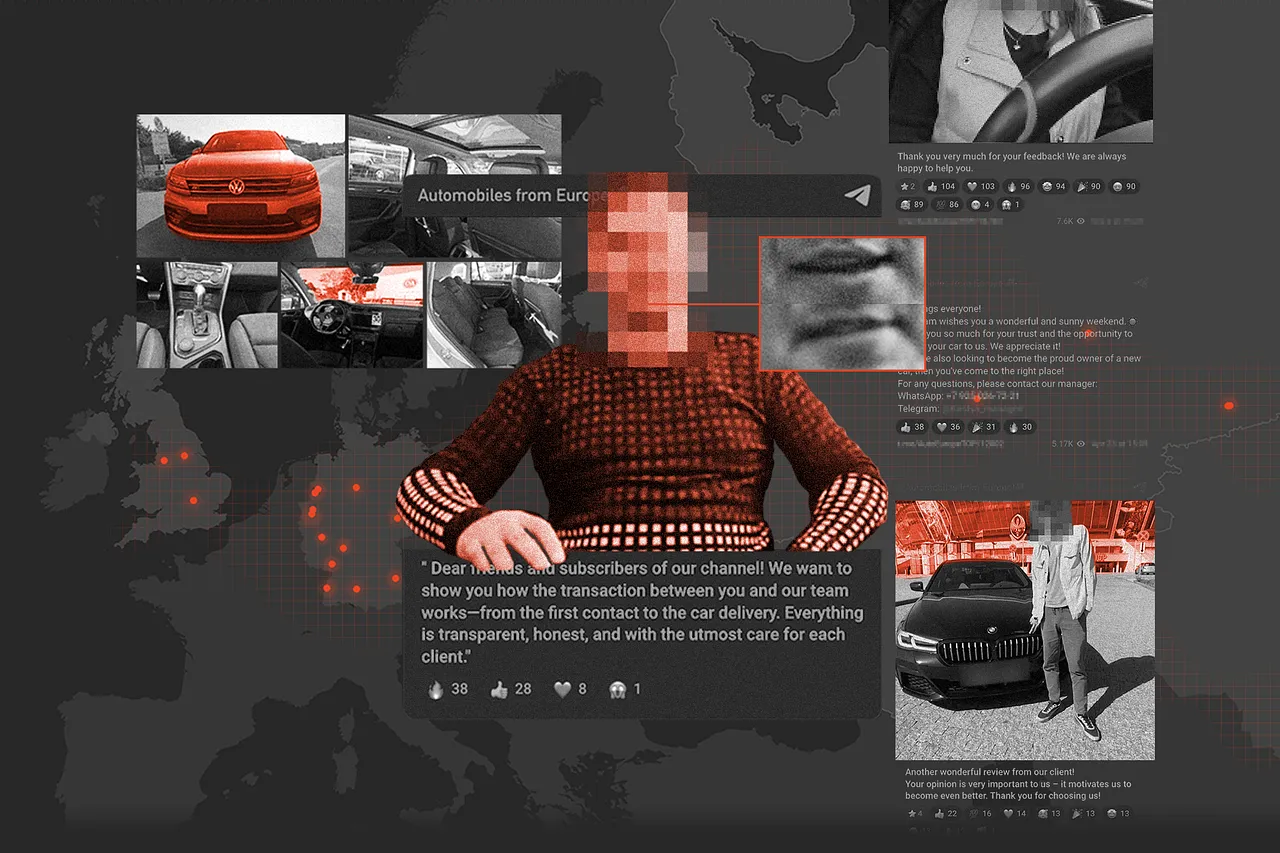
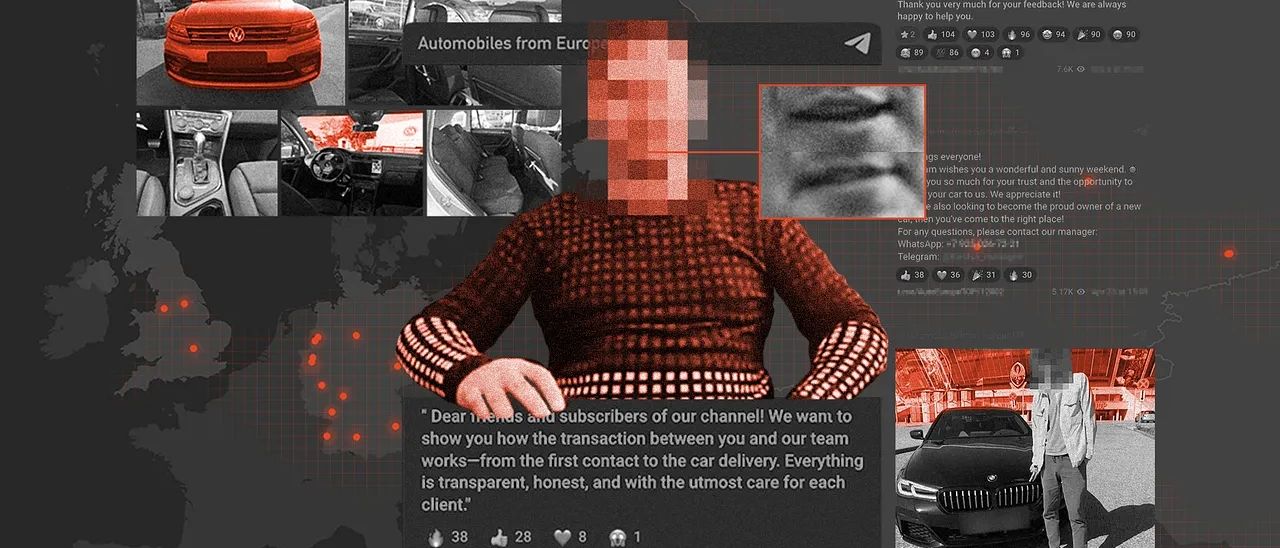
Today, we are proud to announce the publication of “Sanctions, Scams, and Deepfakes,” a major investigation by our partners at Airwars into the illicit flow of luxury cars from Europe to Russia. Starling Lab worked in support of the investigative team to preserve the digital evidence supporting their findings, while the reporters traced the physical movement of vehicles across borders.
At least, that’s what they originally set out to do.
At the center of this investigation into the apparent smuggling operation of cars into Russia laid a red herring. The investigative team initially believed they were tracking real sanctions-evasion schemes bringing luxury cars from Germany to Russia, but instead discovered the operation was largely a scam targeting Russians themselves. The deepfaked video of a legitimate Russian car dealer explaining the smuggling process, the paid actors posing as satisfied customers, and the geolocated cars in Germany were all elaborate deceptions designed to make the fraud appear credible – with potential victims losing thousands of euros to scammers likely operating from Ukraine rather than to actual smugglers delivering sanctioned vehicles.
The investigation was supported by IJ4EU, a grant scheme for cross-border investigative journalism in Europe. The Starling Lab did not participate in the grant application, nor did it receive any funds. Our support of the investigation was purely pro bono and limited to that project.
Technical Stack Deployed
During the investigative phase, the research and investigative team needed to browse hundreds of online sources, from Belarusian border cam footage to social media and social messages.
The core technical challenge was clear: How do we allow investigators to move fast while maintaining a forensic chain of custody? A simple screenshot is insufficient for legal or historical proof. We needed a system where an investigator could claim, “at this time and date, I browsed this unique URL which contained precisely this content,” and be able to back it up with cryptographic proof.
Fortunately, we have been working with state-of-the-art web archiving tools for years – and have even produced a whitepaper on best practices for web archiving. The approach described in this project aims to ensure the collected material meets the high bar for authenticity and probative value required in legal proceedings. It directly addresses the belief that these tools and techniques can be cumbersome or slow down the investigative process.
This perception being a key barrier to adoption, we set out to build a bridge between consumer-friendly tools and forensic-grade archiving. We recommended the team use Raindrop.io, a lightweight browser extension, to bookmark relevant links and add annotations. This allowed the investigators to simply “click and save” without leaving their browser.
Behind the scenes, however, a preservation pipeline was built: on schedule, Github Actions would trigger Typescript scripts tasked with fetching new bookmarks that might have been added to Raindrop; and where appropriate, to schedule their individual crawling in the Starling Lab Browsertrix Cloud account.
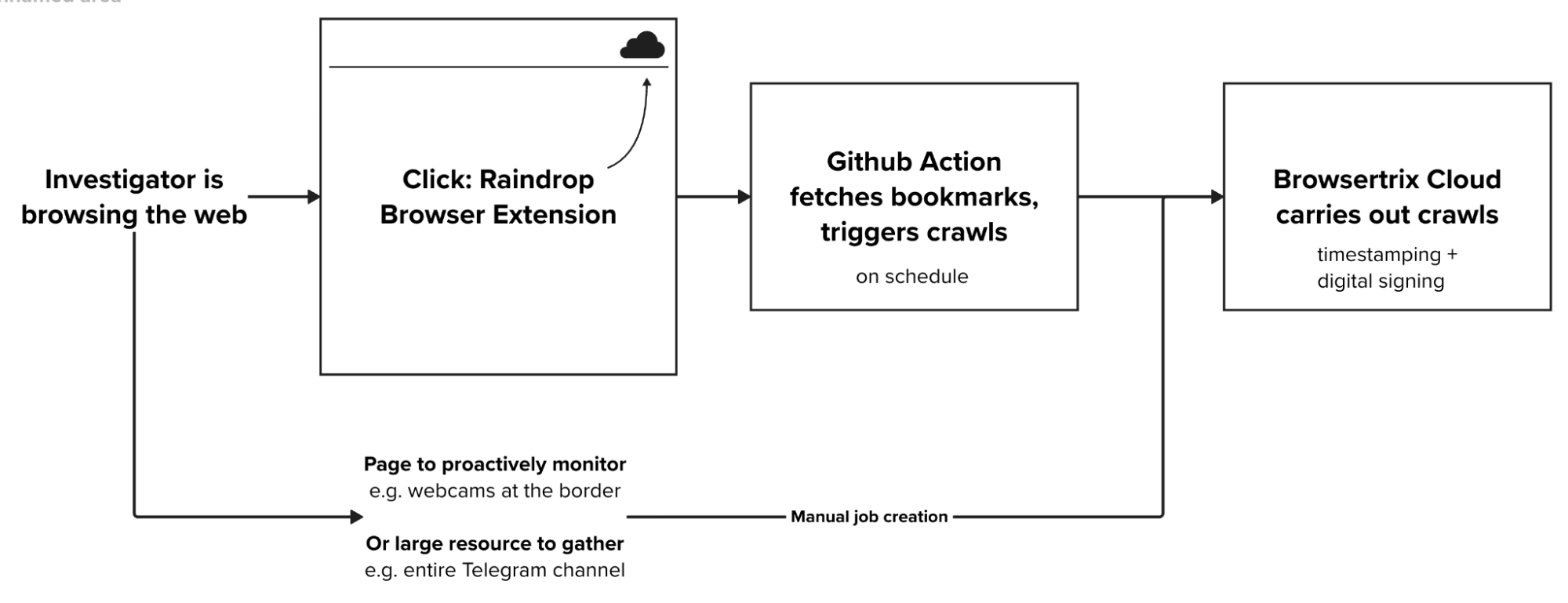
In total, we preserved more than 9,000 unique URLs, totalling 98 GiB in compressed form.
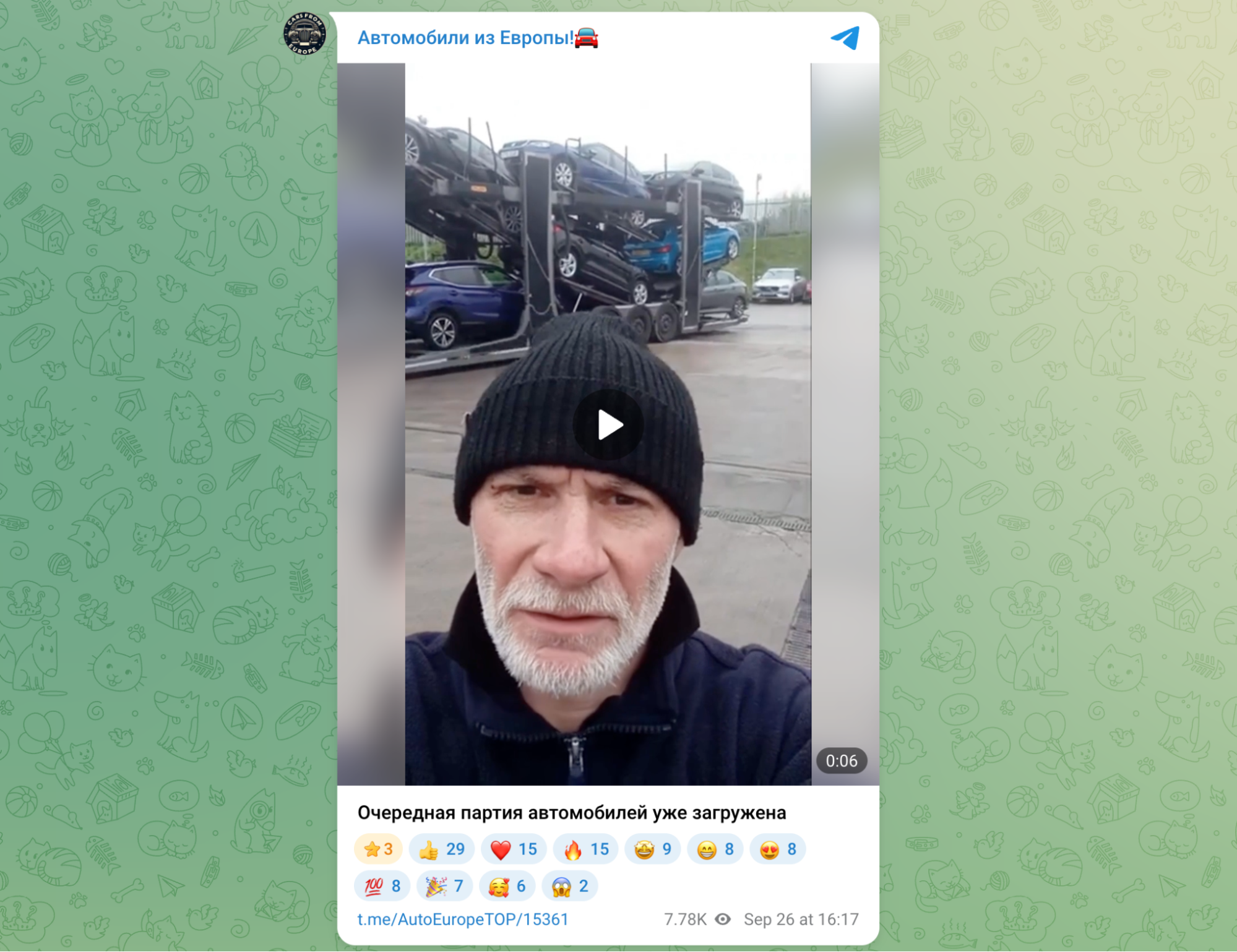
A major early lead was the case of the border crossing between Lithuania and Belarus, which the team understood as a key milestone in the supply of cars into Russia. The border crossing is monitored by webcams that refresh every 10 minutes or so. By running our crawls on schedule, we were able to provide the team once a day with a collage of captures – in the hope of substantiating that one of the known delivery lorries was doing the journey, as the Telegram channel seemed to claim e.g. below:
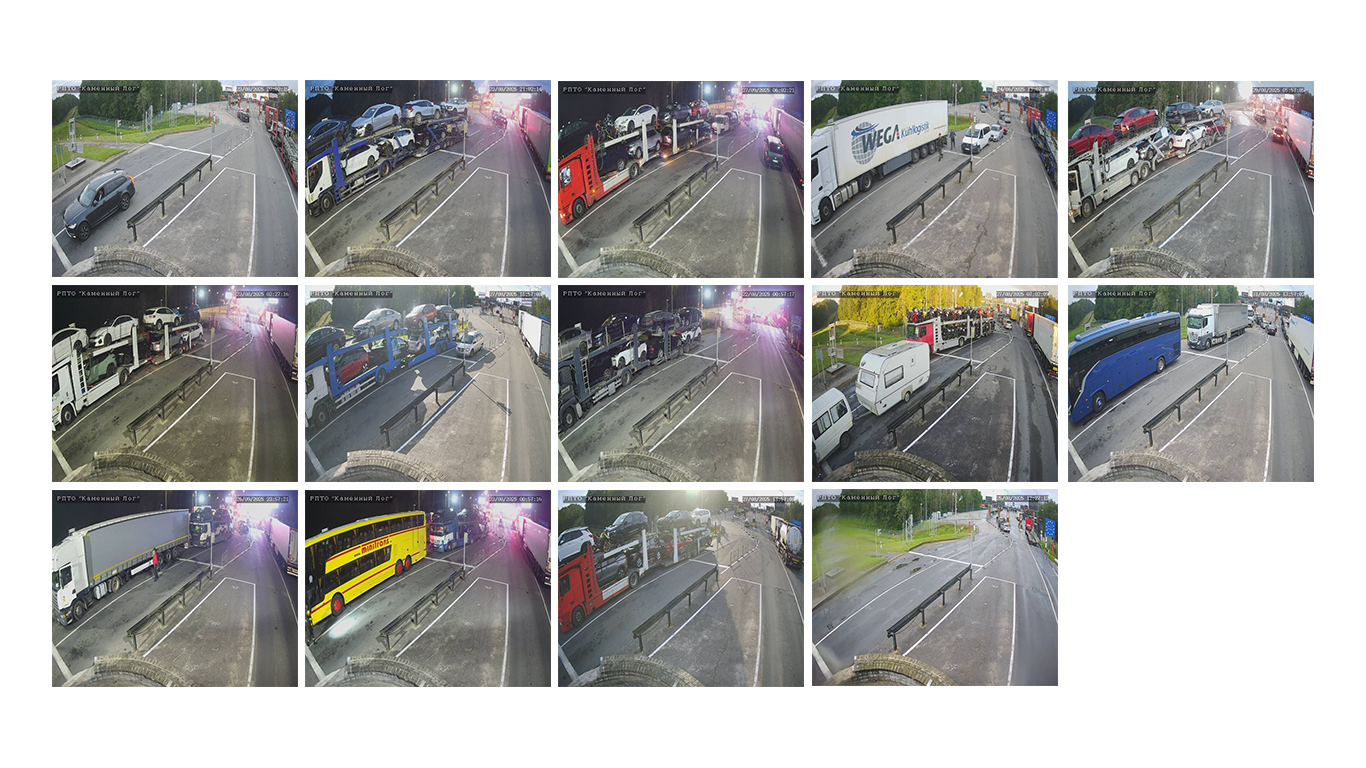
Despite monitoring the webcams for a month and a half, reviewing about 3,800 photographs (two shots every 10 minutes most hours of the daytime), we were not able to find one of the known trucks.
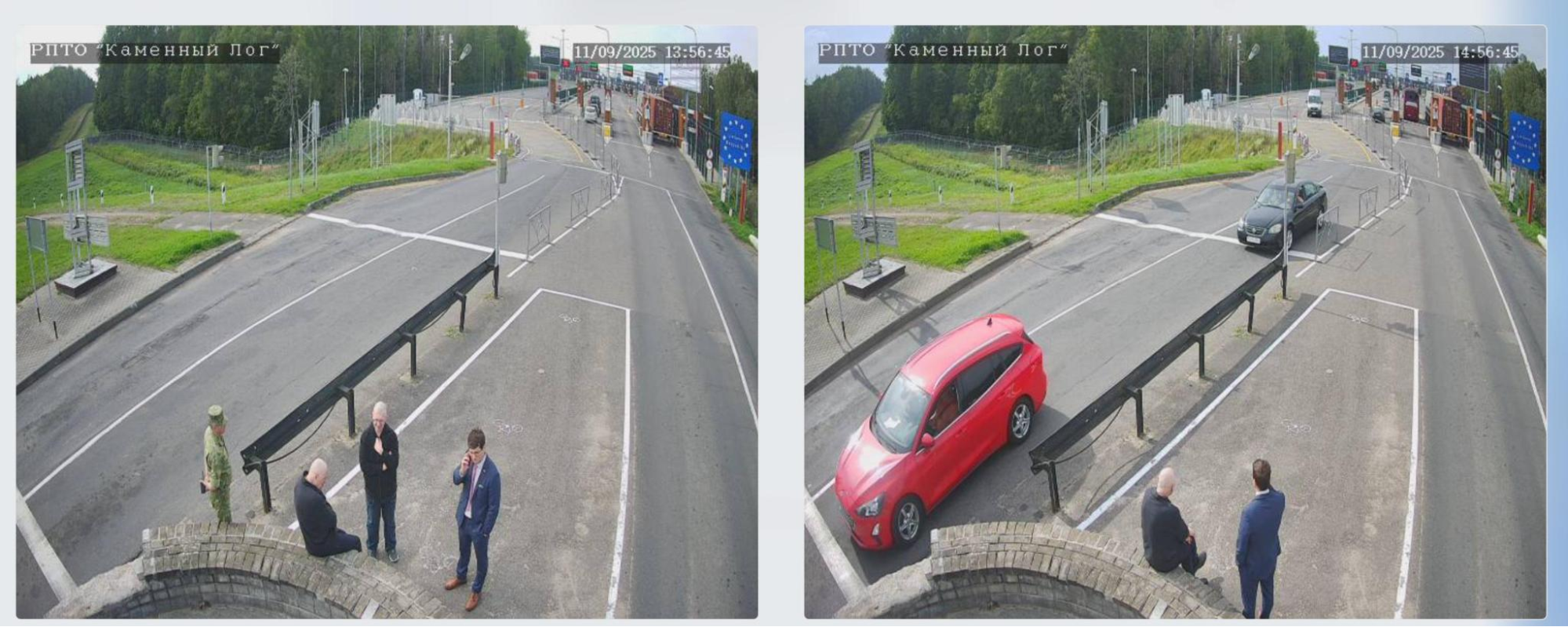
We, however, witnessed the spectacle of political opposition Mikalai Statkevich sitting in this no-man’s land after having been freed from Belarus, reportedly refusing to walk to Lithuania and go into exile.
Learnings
Proactive engagement
The earlier and the more closely we are involved, the better our chances to do good work. This oft-repeated canon of collaboration is worth its salt for a reason.
In the context of this investigation, we think we were able to support the collection of web content to a fair extent. Frequent touchpoints with a team helped identify developing parts of their workflow – for example the need to monitor the webcam photographs, which were being overwritten relatively frequently.
Time and opportunity to engage
As the story pivoted from tracking the supply chain to the realisation that key elements had been fabricated and were deepfakes or shallowfakes, the pressure to make a looming deadline led to a tightening of the loop on the investigative team’s side. The result of that was material received by investigators in the last days, prior to publication, was not shared with us for authentication and preservation.
Furthermore, we had prepared for a planned field trip to dealerships in Lithuania, and ran a short training for reporters on using the Proofmode app to take photographs, cryptographically seal them, and share them on – this trip however never materialized as the story pivoted away.
Seeing as the investigation relates to both forgeries and inauthentic material, we regard these omissions as missed opportunities.
The need for redactions
The pre-publication legal review sought by Airwars led to a cautious treatment of the evidence collected. The story was complex, with a good deal of uncertainty about what was real, and which of the persons and organisations involved were in full possession of the facts.
While technically well within reach, we opted to not publish full embeds of the Telegram posts and messages, as well as to redact some metadata from them. We are also not making the archive publicly accessible. These measures aim to protect car sellers, dealerships, clients, and anyone else whose photographs might have been used against their will and in support of the scam.
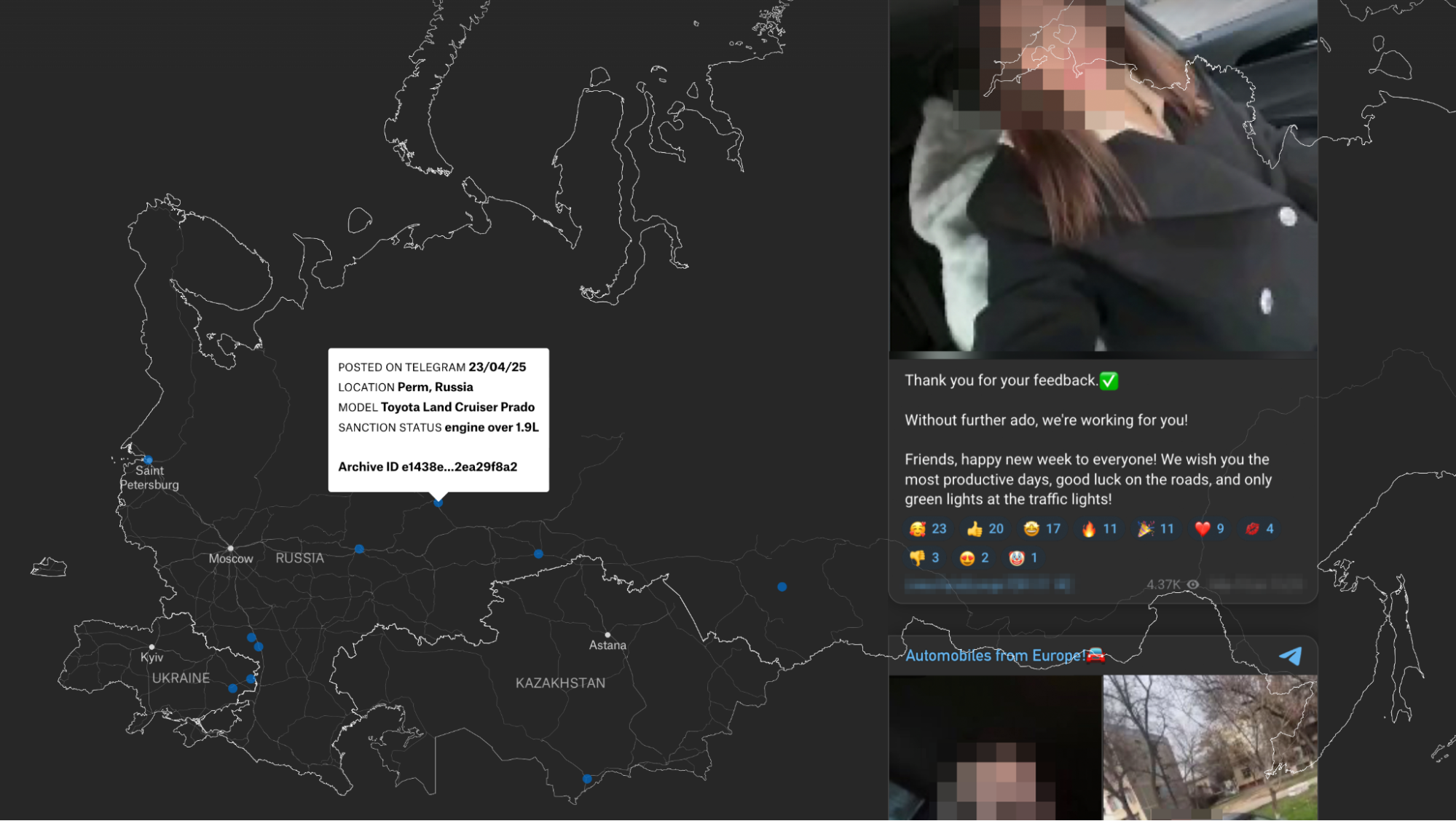
This case study further underscores the need for verifiable redaction technology to be part of the feature set of web archiving tools for journalists. In service of this requirement, we have deployed techniques from the field of Zero-Knowledge Proofs in our Rolling Stone investigation into war crimes in Bosnia. This technology allows publishers to redact sensitive information (such as names in documents or metadata in digital files) while generating a mathematical proof that certifies only specific pixels or data fields were obscured.
Scaleable
This pilot project allowed us to test and refine a preservation mechanism that is both robust and non-intrusive to the investigative workflow. We are eager to further deploy the processes developed during this collaboration, and this model more broadly, for future investigations and other partnerships with journalistic organizations.

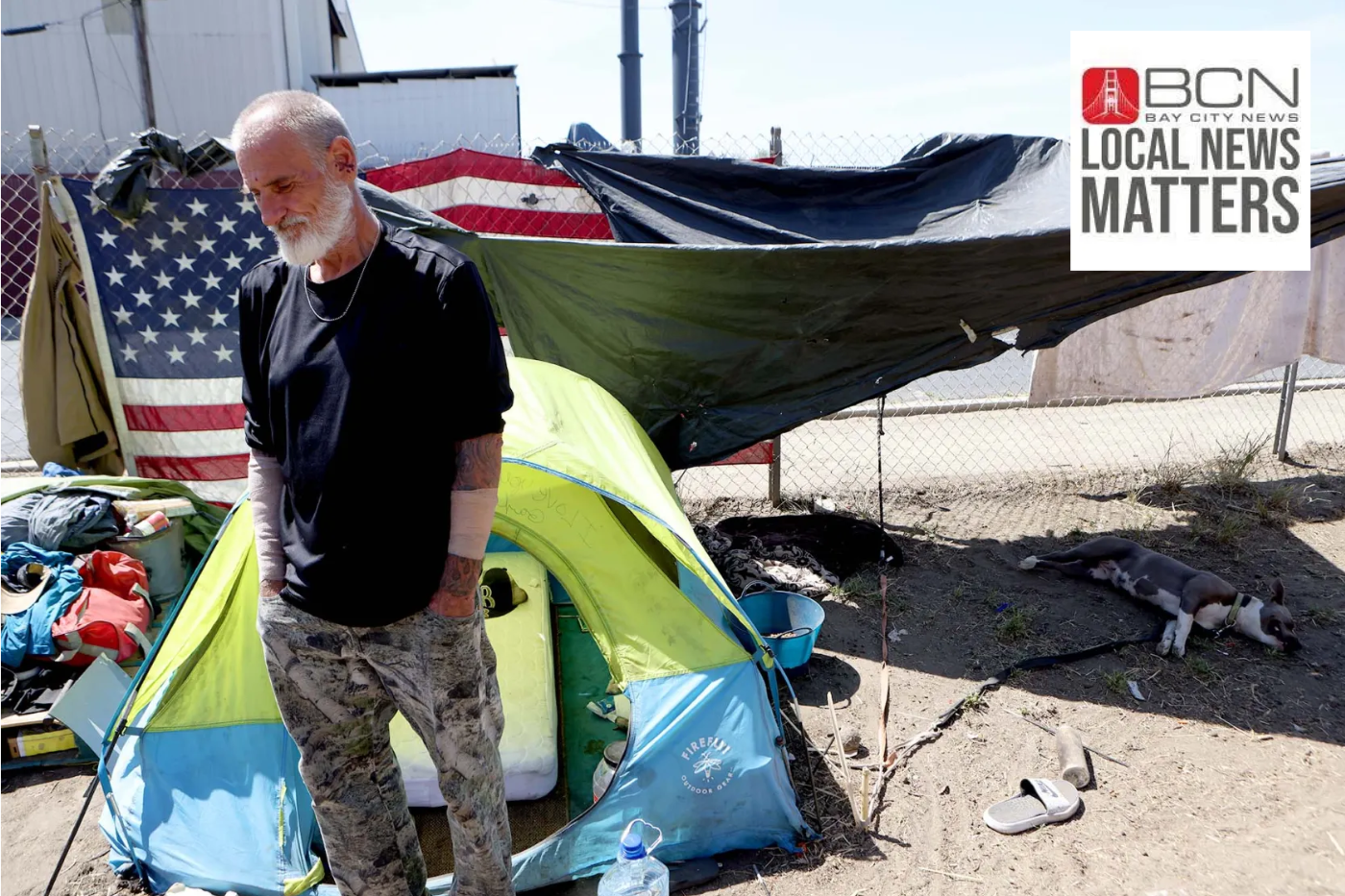
Documenting Stockton’s Homeless
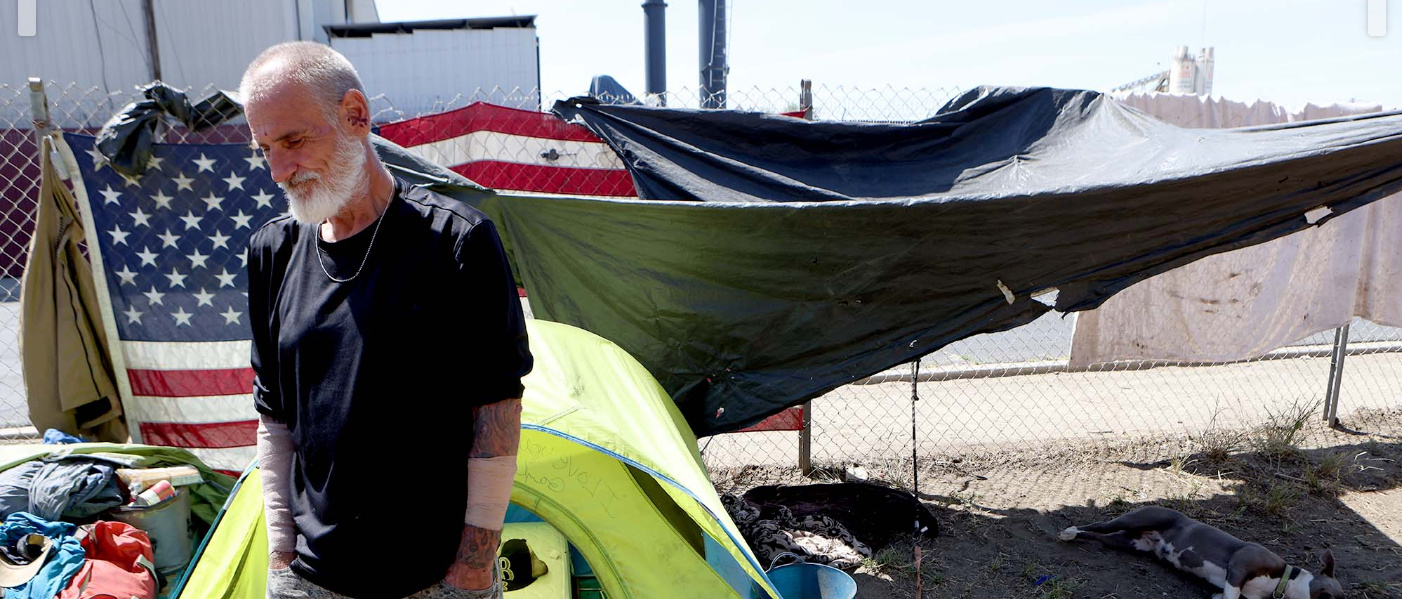
Documenting Stockton’s Homeless
Bay City News and Starling Lab pioneer cryptographic tools to authenticate images and expose the truth of homelessness in California.
Starling LabReading Time: 5min


Prototypes
Share
Contents
Background
Context
Framework
TechnologyLearningsArchive

Background
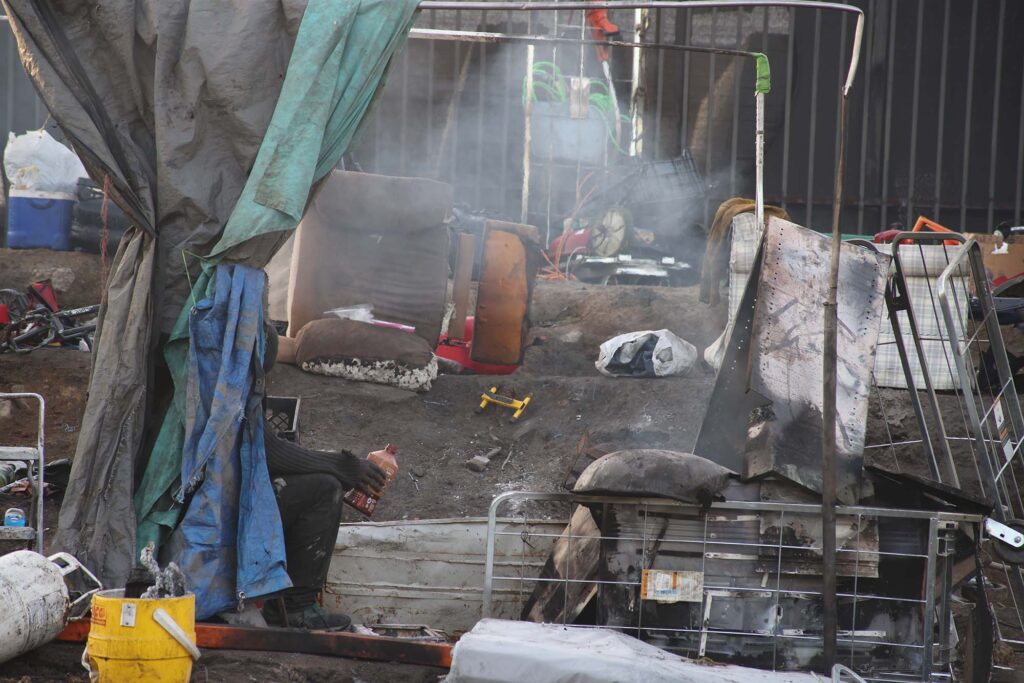
The homelessness crisis in California has escalated dramatically in recent years. Point-in-time counts from 2022 show a nearly 6% rise from 2020, and a 17% increase in homeless but sheltered populations. Against this backdrop, the Bay City News (BCN) series Documenting Stockton’s Homeless was reported over six months, telling diverse stories from the plight of an individual on the street to data analysis quantifying the issue’s growth. It looked into rising living costs, economic disparities, and inadequate mental health and addiction services – all factors in the statewide problem. The series also addressed concerns faced by local business owners, government expenditures, and the availability and challenges of providing housing.
San Francisco’s homelessness issues have been widely reported, but now are expanding to nearby communities like Stockton in San Joaquin County. With a population of over 320,000 as of 2020, it is the County’s largest city. The scenes on the ground there tell the story of an growing problem despite significant resources invested to address it.
Crucially, the issue of misinformation has made its way in the public debate about homelessness. Local authorities often provided optimistic assessments that did not match the reality observed, leading to public distrust. This project highlighted these discrepancies. Together with Starling, BCN captured and presented the story of Stockton using advanced photo authentication tools to ensure accuracy.
In May of 2023, before Generative AI became a household term, Fred Ritchin, Dean Emeritus at the International Center of Photography and founder of the Four Corners Project, wrote about the urgent need for photojournalism to provide audiences with more data about their images. This includes context, explanation of ethics, eyewitness statements, and other background. He cautioned, “There is enormous panic in the photojournalistic industry due to the emergence of photorealistic synthetic imagery generated by AI that confuses the public as to what is going on and makes their actual photographs increasingly irrelevant.”
Bay City News also had their eyes on the future, anticipating issues when photojournalism is called into question when covering contentious or high-stakes issues. “It is imperative that local publications like Bay City News reassure readers that facts are verified and images are real,” emphasized BCN Photo Editor Ray Saint Germain.
Contents
Context
FrameworkTechnologyLearningsArchive
Context
This collaborative case study was a pioneering experiment for Bay City News and The Starling Lab for Data Integrity on a number of levels. Together, the organizations set out to cover the homelessness crisis in Stockton as it surged in 2022 and 2023, with meticulous documentation to reveal local funding disparities and the gap between reality and official statements.
Bay City News is a local San Francisco and Bay Area news agency that covers the region’s businesses, residents and government agencies. They publish a free, online newspaper called Local News Matters.
Under the direction of Ray Saint Germain, BCN photojournalists Harika Maddala and Victoria Franco, worked for six months in collaboration with Starling to develop and present cutting-edge authentication tools for photojournalism. Starling – which uses innovative approaches to integrate journalists, legal experts, and archivists into the decentralized web – helped the team enhance accuracy and combat misinformation and disinformation, reinforcing the critical role of trustworthy local news.
For this project, camera technologies were prototyped to capture and secure photo and contextual information at the point of capture. It was also the first large-scale, real-world deployment of Fred Ritchin’s brainchild—the Four Corners visual display of photographs alongside contextual information, which through this collaboration was further enhanced with C2PA technologies. Furthermore, with the newswire service, we explored the use of non-fungible tokens (NFTs) to publicly track the custody of digital photographs on a public ledger.
United with a vision to capture accurate representations of what the photographer witnessed, Starling Lab, BCN, and Four Corners began a collaboration that would create authenticated “time capsules” of images and contextual metadata, secured and presented as published articles available on LocalNewsMatter.org to document the Bay Area’s homelessness crisis and tracking data from relevant government agencies. These articles feature 35 authenticated photos, with six displayed using Four Corners. This first-of-its-kind initiative put together several in-development technologies and emerging standards over the long-running implementation, in hopes to show the art of the possible for authenticity in photojournalism in a world of manufactured images.
The sum of these technologies, along with the articles published on LocalNewsMatter.org, offer learnings for all stakeholders as we look forward to the future of trustworthy local news.

In addition to the BCN team and Starling Lab, collaborators on the project included Four Corners founder Fred Ritchin; Corey Tegeler, Engineering Lead at the Four Corners Project; and Newspack Automattic Manager Daniel Brown. BCN’s content management system is based on WordPress and supported by Newspack.
Contents
Framework
TechnologyLearningsArchive
Framework
The Challenge
Bay City News is a for-profit news agency that serves other media organizations in the Bay Area. It sustains a nonprofit Foundation, which runs LocalNewsMatters.org–and provides free local news for readers. BCN strives to reassure readers that their facts are verified and images real. “Being able to prove the origin and authenticity of photos could be useful to professional newsrooms like ours,” said BCN Photo Editor Ray Saint Germain.
Ordinarily, BCN’s workflow kicks off with a photo assignment, where staff photojournalists shoot with DSLRs and mirrorless cameras. Most reporters use phones, and few of them use DSLR cameras. Breaking news happens fast, and photos need to be delivered to newsrooms quickly. Photos shot with a cell phone are directly sent to the photo editor, whereas photos shot from cameras are transferred to a laptop, then sent in. Non-daily assignments are filed by the end of shifts.
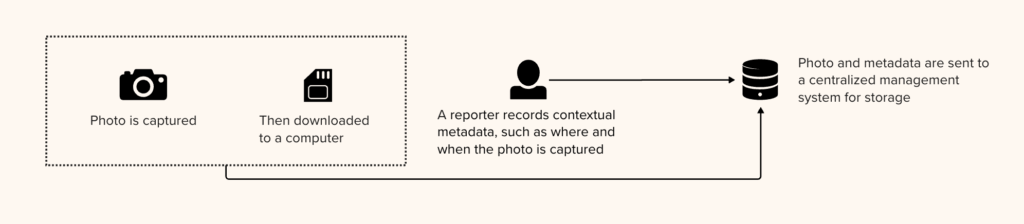
Contextual information recorded by the photographer is later associated with each captured photo, and included in the image file for storage and distribution. For example, on older cameras, the date and time are input manually and may be configured incorrectly at the time of capture (ex: due to Daylight Savings Time), so the correct times are put in afterwards. Captions are similarly added afterwards.
Once these files are published, their image pixels and embedded contextual information are vulnerable to manipulation. For example, anyone can simply update the timestamp and location recorded in image metadata and redistribute the file. A reputable outlet may even publish the altered photo, completely unaware that it contains tampered metadata, and the unsuspecting reader would receive incorrect contextual information about this photo. Even worse, the image may contain authorship information still showing the name of the BCN photographer, wrongly attributing the disinformation to BCN.
As a newswire service, BCN regularly uploads each photo three times: to a BCN server, WordPress server, and SmugMug. Any changes to captions have to be done on all three servers, adding to the risk of manual mistake. Without an audit log system, it may be hard to resolve disputes where two photos with conflicting metadata arise.
Lastly, the contextual metadata embedded in an image is very limited. And there is usually no available interface to showcase this limited set of contextual information to the readers, especially not in a way that adds value. It would be highly valuable if there are ways to embed rich contextual information, such as links to related photographs and the profile of the photojournalist, so the reader can get a richer experience with these same images.
Our hypothesis is that adding contextual information gives more value to the photo. However, the more information we add, the more there is to manipulate. What is the purpose of embedding a usage license if it can simply be edited by anyone without permission? Therefore, we must also secure all metadata alongside the image pixels. Starling’s approach is to do this via cryptographic methods.
Contents
Framework
TechnologyLearningsArchive
The Prototype
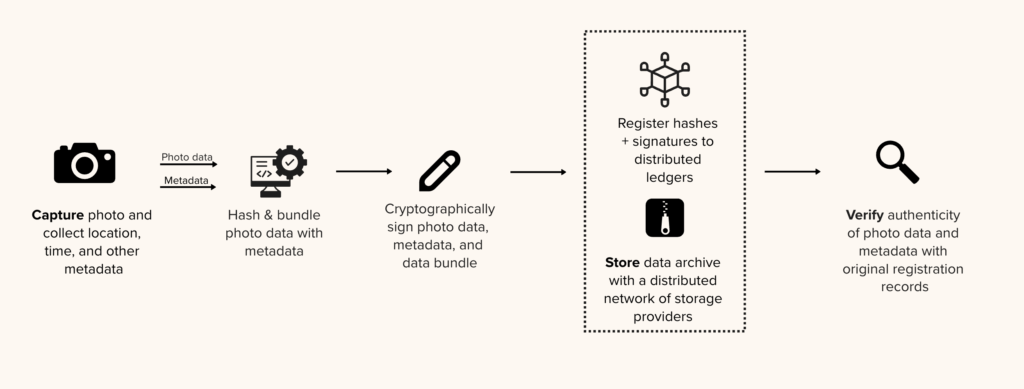
The team was eager to road-test new cryptographic tools that implement Starling’s three-part framework of Capture, Store, Verify.
Starling developed an altered workflow that allowed automated metadata capture and an audit trail of photo edits, but still fit with a standard photo assignment.
Aiming to minimize disruption for photojournalists, the BCN team was equipped with a Canon R5 camera tethered through Wi-Fi to an HTC smartphone loaded with specialized software.
Most importantly, the team focused on how to secure and surface rich contextual metadata for each photo to the reader at the point of publication. They partnered with the Four Corners Project to present these time capsules in such a fashion that readers could visually examine contextual information alongside photographs. This innovative graphical display allows readers to examine a photo’s backstory and metadata – including timestamps, GPS positions, and other provenance markers. This means readers can explore and verify the authenticity of images independently.
At a high level, these steps included:
- Capture: Using the Canon R5 camera and HTC Exodus 1S phone, photos and metadata were sent to a Starling-managed server, and were immediately secured through hashing and signing. The authenticity records were registered on blockchains, sealing their proof of existence such that future alterations on pixel of metadata would be evident.
- Store: Images were stored on several BCN and partner systems, both for preservation and distribution. This was least disruptive to BCN’s workflow and copyright policies. The authenticity of the files stored can be verified against blockchain registration records for data integrity (i.e. they were untampered originals).
- Verify: C2PA attestations were made throughout the photo edit chain. In particular, a C2PA schema was developed for Four Corners’ rich contextual metadata, and a WordPress plugin was developed and deployed on the Newspack-operated content management system so the metadata can be surfaced to readers. This allowed the team to test the hypothesis of providing rich metadata to readers through a polished user interface.
A total of 15 stories were published through the course of the Starling Lab project and are all presented on a LocalNewsMatter.org project page with 35 authenticated photos and six authenticated photos displayed using Four Corners.
Contents
Context
Framework
Technology
LearningsArchive
Technology
Capture
The Capture Setup
In a standard photo assignment, DSLR-captured photos would be downloaded to a laptop and sent directly to photo editors. However, this does not allow for an opportunity to automatically capture GPS location (as most cameras do not have a GPS module) and other at-source metadata. On the authenticity front, neither the camera or the delivery endpoints use cryptographic techniques to secure the image and metadata. Therefore, we modified the standard workflow to add an HTC Exodus 1S mobile phone, which was loaded with an application called Starling Capture and pre-authorized to send image files – with their metadata – to a Starling-operated server.
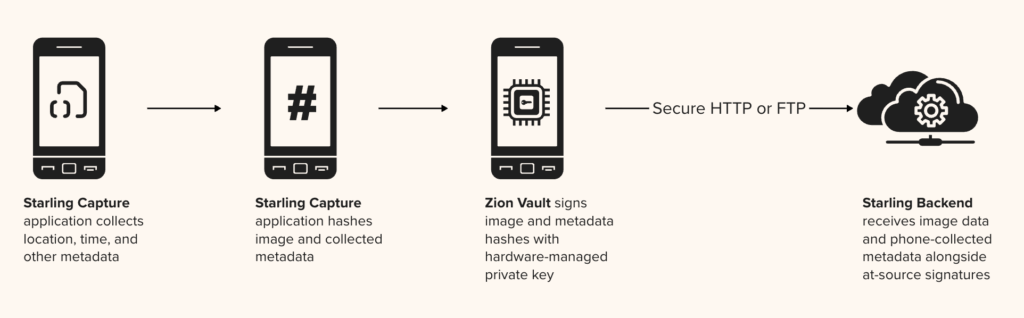
BCN Photojournalist Harika Maddala and Reporter Victoria Franco used a Canon EOS R5 camera. The Starling Capture mobile application, developed by Numbers Protocol, uses Canon’s Canon Capture API (CCAPI) to set up a Wi-Fi hotspot for the phone to connect with the camera. With each snap of a photo, the image file is automatically transmitted to the application, where GPS, time, and other metadata are gathered and associated with the photograph. An example of gathered metadata is available on GitHub.
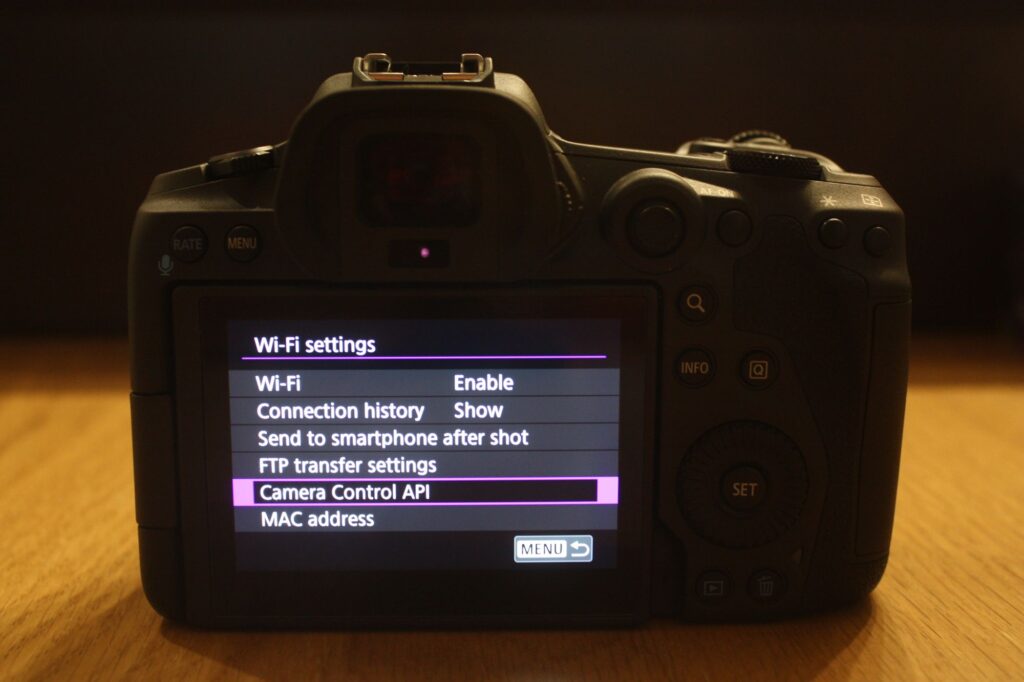
Digital Signage on Device
Upon receiving an image, a cryptographic hash was immediately computed from the image file, serving as a secure and tamper-evident fingerprint to identify the file. Then signing keys pre-configured by Starling on that device were used to sign both the file hash and the metadata, sealing the data “at source” before any data was transmitted to a server.
This important step of digital signage secures all of the above, and protects against unnoticed tampering even during transmission. It is unfortunately not a capability that professional cameras had at the time of this project. However, in parallel, Starling has been working with camera vendors to add such capabilities, and recently vendors (including Leica, Sony, and Canon) started releasing digital signage features to a handful of models.
Uploading for Registration
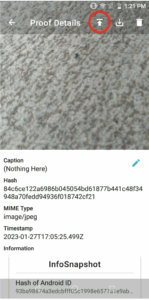
After each photography session, the BCN team used a photo gallery within Starling Capture to inspect previews and select images to upload. Uploading to Starling servers requires an access token pre-configured on the phone. This gave assurance to Starling that the upload request was originating from a known source, and specifically that it came from the device provisioned to the BCN team. This also allows authorship information to be associated.
Once the server received an image, it was registered onto blockchains alongside contextual metadata and at-source signature information. These blockchains include Avalanche (a fast, decentralized, open-source blockchain that offers smart contract functionality) and LikeCoin (a chain specialized for decentralized publishing). These public ledgers use cryptography to ensure registration records are tamper evident and immutable. In the Verify section, we will explore how the registration information is presented to readers, so they can independently audit each photo against its registration records.
Store
Starling generally advocates storing data in multiple places to protect against various threats of data loss, and oftentimes employs decentralized storage systems as a preservation strategy. This comports with an industry standard 3-2-1 backup strategy, which encourages three copies in at least two different formats and one offsite location.
For this project, due to copyright concerns, the storage of this media and data remained on systems managed by BCN and Newspack, but the existing workflow at BCN already has file replication across a BCN server, a WordPress server, and SmugMug.
After Starling’s server received each photo for registration, we aimed to return authenticated versions of the photos to BCN as soon as possible to be minimally disruptive to their workflow. This was done via synchronization to a Dropbox folder with shared access. In this process, the server took the image pixels and metadata, then generated a C2PA manifest (signed by Starling), then bundled it with the image file according to the Content Authenticity Initiative’s specification, and finally returned it to BCN’s photo editors.
Verify
Upon receiving C2PA-authenticated images from the Starling server, the photo editorial process began.
Unlike traditional image files, these already contained metadata such as time, location, and author information that were automatically associated by the tethered phones and validated on the Starling server. From this point onward, Starling worked with BCN through the editorial process to track incremental edits and changes, so the published photo would retain an audit trail to the original photo. This can be referred to as glass-to-glass authentication, meaning from the moment light hits the lens of a camera to the moment it comes out of the audience’s device screen.
Image Edits with Adobe Photoshop Content Credentials
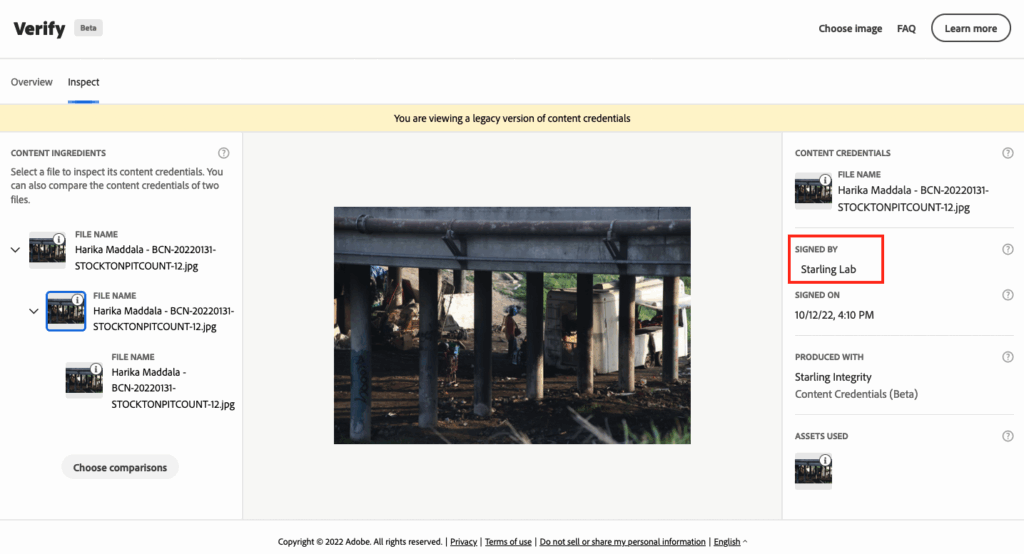
In order to resize photos, or to make other pixel or metadata changes, the BCN team used a beta feature in Adobe Photoshop called Content Credentials, which is an implementation of the C2PA Specifications. When the edited image is exported, a second C2PA manifest containing tracked changes is signed by Adobe Inc. attesting to that fact Photoshop was used to perform the changes listed under Edits and Activity in the Content Credentials Verifier.
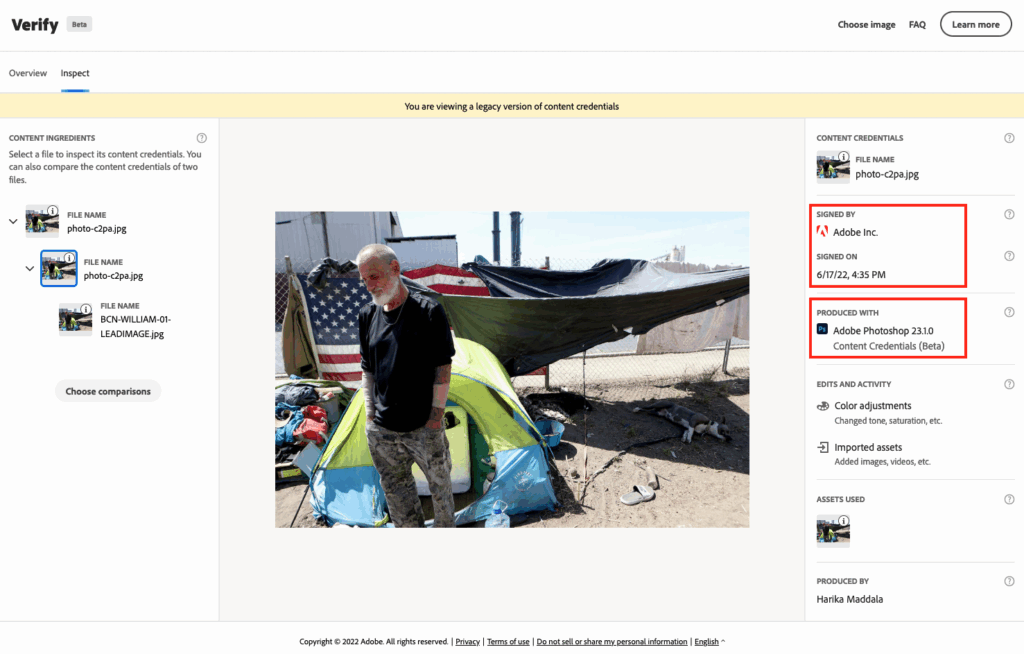
Rich Contextual Metadata with Four Corners and C2PA
In addition to securing provenance information and establishing an audit trail through the photo editing process, the team also set out to prototype a better way to display rich contextual metadata to readers. The hypothesis was that by bundling more context with each photograph, we could provide a more valuable experience and accurate conceptual picture for readers.
The team elected to use the Four Corners interface, which allows specific information to be toggled upon an interaction in each of a photograph’s corners. With the Four Corners team, we created a WordPress plugin which augments the standard Four Corners with additional features:
- The ability to read and display contextual metadata from C2PA manifests bundled with an image file
- A Capture Certificate displaying authenticity information at the bottom right corner
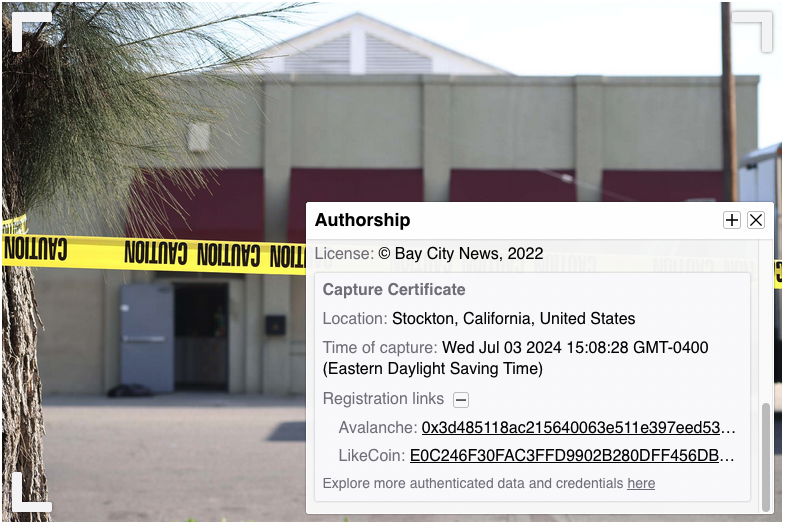
This added contextualization highlights the authorship by the photographer, the credibility of the image, and prevents misuse of photographs taken out of their original context.
- The lower right toggle shows authorship information as well as the Capture Certificate containing information about the photo’s authenticity.
- The lower left toggle shows the photojournalist's backstory for shooting the image.
- The top left toggle shows other related photos.
- The top right toggle shows additional links related to the photo and story.
To introduce the new feature, the BCN team added a short editor’s note to accompany the stories. The Nuts and Bolts article summarized technical details about Four Corners and the technology used to create the metadata displayed with it.
As part of this work, Starling worked with the Four Corners team to develop a C2PA-compliant metadata schema for bundling rich contextual metadata in C2PA manifests. This schema contained all the metadata contained in each of the Four Corners toggles. This data is then included in a C2PA manifest, and parsed by the WordPress plugin, for presenting contextual and provenance information on each article.
Capture Certificates & Blockchain Registrations
During the Capture step, at-source metadata was collected by the HTC Exodus 1S phone and sent to the Starling server. This data at capture time was registered to blockchains and bundled with the image for BCN photo editors to process with tracked changes. With the Four Corners interface, Starling added a Capture Certificate to surface this information to the reader. This could be compared to a “certificate of authenticity” and is a precursor to the subsequently introduced concept of Content Credentials.
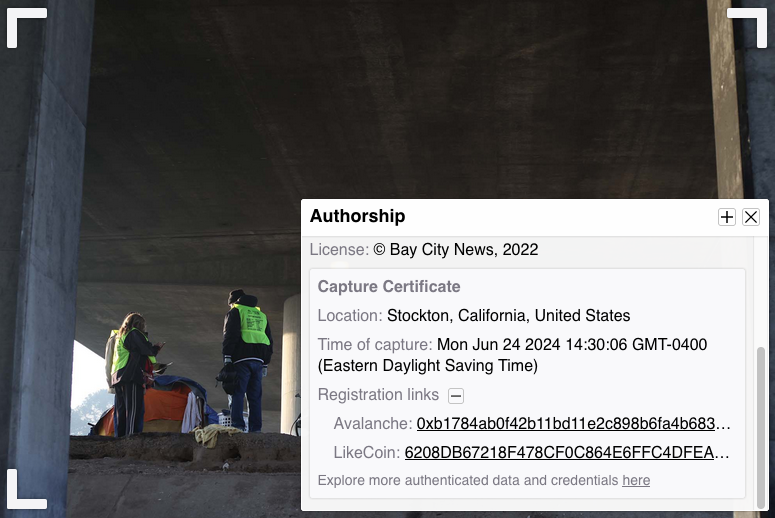
Exploring Blockchain Registrations
Starling used immutable ledgers to register digital content in this project. This assists experts wanting to audit the provenance and authenticity of the content. The unique digital fingerprint and provenance information of each photo recorded on blockchains serves as a proof of existence, while the digital signature helps establish the identity of who took the picture. All of this is indexed on a publicly-explorable blockchain to provide a public facing record of what exactly was created, and when.
Readers explore the blockchain registration information in these BCN stories by hovering over an image and clicking on the bottom right corner. Expanding the Registration Links in the Capture Certificate would display blockchain transaction IDs that can be found on public explorers for the Avalanche and LikeCoin blockchains.
Verifying Content Credentials
Clicking a link in the bottom right text of the Capture Certificate opens up the authenticated image on a browser-based verification interface called Verify.
Verify is a tool created by the Content Authenticity Initiative (CAI) to help make content transparency a standard across the internet, and to make Content Credentials accessible to everyone. Any of the authenticated photos from the published articles can be downloaded and viewed in this tool. As this project was done before the first production version of this tool was released, you need to use the Verify Beta tool to view the images and metadata from this case study.
This interface displays the thumbnail and metadata contained in the C2PA manifests, protected by a cryptographic signature at each of the three steps, detailing the original capture by Harika, followed by photo edits (with Photoshop), and lastly the addition of Four Corners rich contextual metadata. Versions of edited photos can be compared side-by-side or in an overlay with a slider feature.
Custody Tokens
As an additional experiment, we minted a non-fungible token (NFT) for each of the 48 original images selected for authentication to publicly track custody of each image asset. The purpose of this experiment was to explore using the transferability of a digital representation of an asset to signal the custodian of the asset.
At the moment, producers of a digital asset, whether it be a photograph or an article, are oftentime expected to be the long-term stewards of the content they produced. But this is not always what happens in practice. Just as notable works often become preserved by museums and estates, it is also possible for photojournalistic work to transfer from one custodian to another. The non-fungibility aspect of an NFT allows for authentic representation of a digital asset, and the token features allow for transferability based on a set of rules.
Note that transfer of the token does not imply moving of the digital asset from one storage system to another, nor any change with respect to the terms of use or distribution strategies. It simply announces to the public who is the primary custodian of the digital asset, empowered to make the decisions listed above.
Readers can explore the collection, where each SPCT token represents an archive containing an authenticated image and metadata.
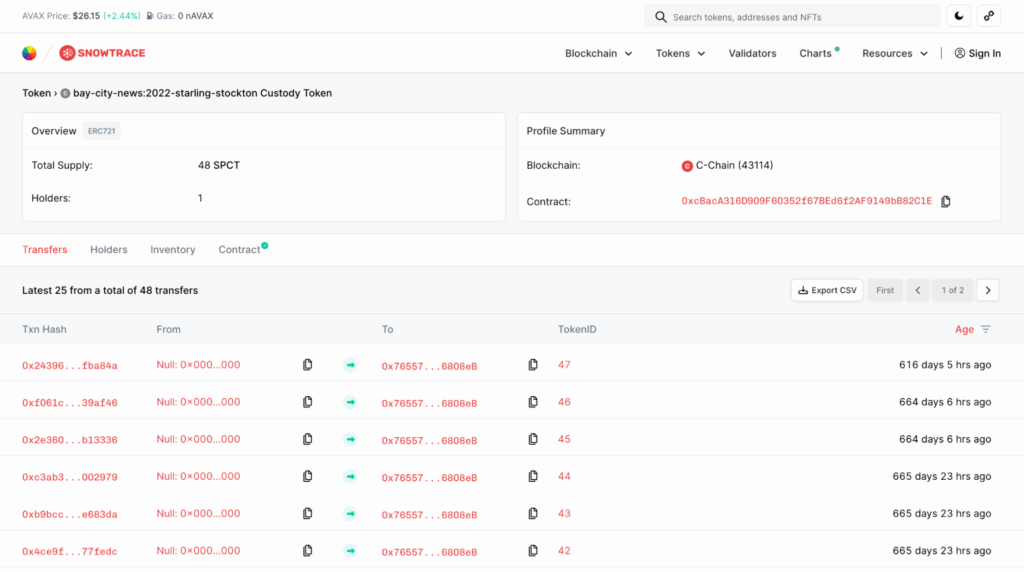
At the moment, the archives of this project are under the custody of the project team. But if the stewards of the original assets were to change, the tokens can be transferred to another institution for continued stewardship. The transfer history allows the public tracking of the chain of custody, as important assets are not necessarily maintained by a single institution forever. This provides an indication to the public of who to reach out to for access to specific assets.
Contents
Context
Framework
Technology
LearningsArchive
Learnings
The Capture Setup in the Field
Several difficulties were encountered using the newly developed camera and phone setup in the field. Having both a camera and phone increased the number of devices a photojournalist needed to carry and interact with. The Starling Capture application allowed only one camera to be connected at a time, limiting the photographer to use the lens that is connected to the camera, as switching lenses would require reestablishing the WiFi connection. In some assignments, BCN’s team carried two cameras with different lenses, each tethered to a different HTC Exodus 1S.That increased the number of devices carried by the photojournalists to four. Management of these devices got overwhelming.
The photo shooting experience also became more challenging. First, the photojournalist needs to ensure an active WiFi connection exists between the camera and phone. Then there are limitations to continuous “burst” shots, a common practice where tens of photos get captured in a matter of seconds. Not all images were received by the phone when shooting in burst mode, with an average of 3 of 5 photos successfully transmitted while others were skipped. The skipped shots still existed on the camera SD card, but never made their way to the HTC phone.
Another issue was battery life. The WiFi connection drained the battery on both devices. While camera batteries can easily be swapped out, the HTC phone took a long time to recharge.
Several of these issues could be addressed by integrating similar technologies directly onto cameras, or designing products and systems to address them prior to manufacturing.
Digital Signage with Secure Enclaves
In this project, alongside standard software at-source signatures, the Starling Capture application prototyped a combination signature scheme that leverages the Zion hardware-secured signing key available on the HTC Exodus 1S. This key was generated by the phone hardware while configuring the Starling Capture application, and it served as a unique identifier tied to the secure enclave on that phone. This is the optimal standard for digital signing key management on a field device. The expected signer is known to the servers ahead of time, and signed data received can be verified to be originating from the particular device, with very little risk of key compromise.
The straightforward approach would have been to use that hardware key to sign every image and metadata bundle.
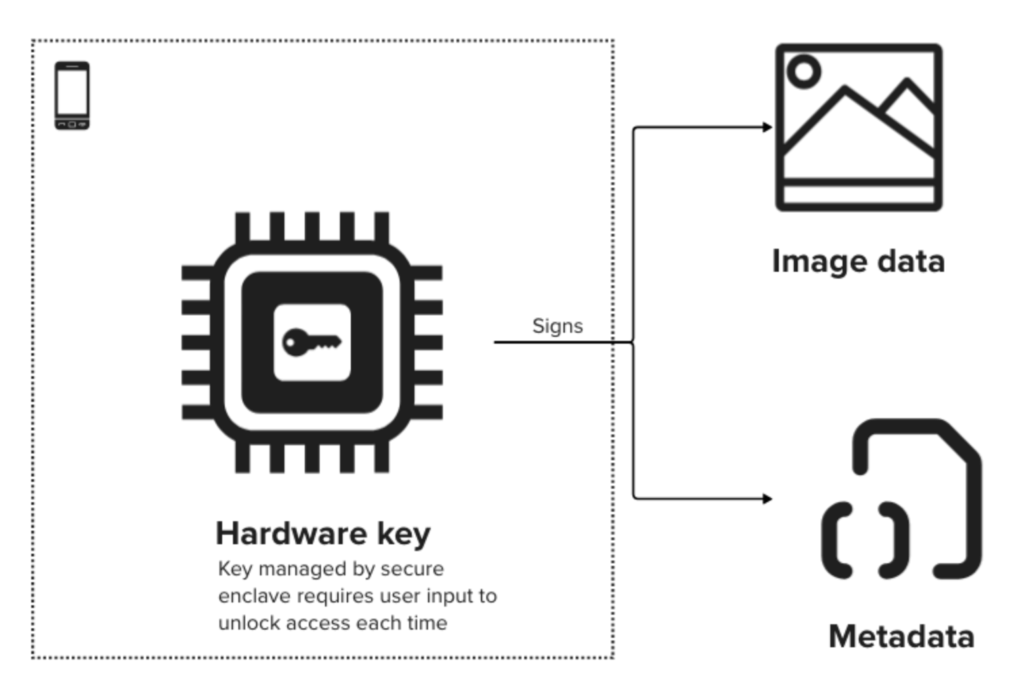
This is impractical, however, as Zion requires the user to type in a password every time the key is used to sign data. A photographer rapidly shoots many photos, sometimes triggering tens of signing events every few seconds. As a result, a temporary session key, not secured in specialized hardware, is used as the signing key.
This presents an opportunity for design of future phones and cameras with a secure enclave. When designing devices with hardware-based secure enclaves, it is important to consider use cases where requiring user authentication for every signature may be impractical
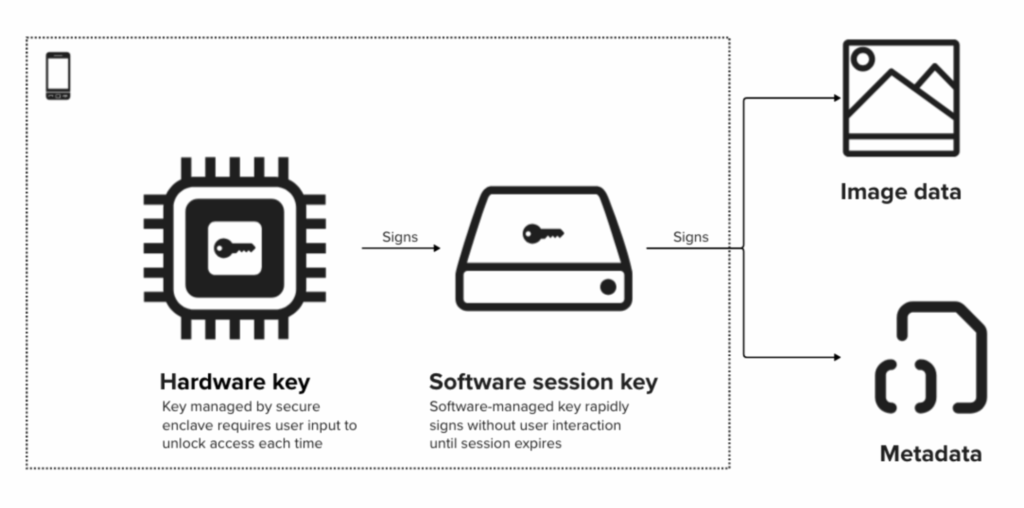
For this case study, we worked around these issues by generating a software session key for signing assets quickly for the duration of a single user session. This key itself is signed when it was generated with the hardware key, giving it a high standard of trust but improved speed and ease of use for a limited period of time.
For future device design, we recommend natively supporting authenticated sessions that have expiry triggers, thus allowing multiple signatures to occur without separate user authentication. Otherwise these features will be implemented in application software, rendering the overall solution less secure and verification more complex.
To verify the hardware root of trust, both signatures in the two-signature chain must be verified. In other words, one must verify the image and metadata signature by the software session key, then verify the signature of the software session key by the hardware key. Unfortunately in this deployment, due to a bug in the particular version of Starling Capture, the hardware key signature was not preserved with each photo. Therefore we cannot verify each photo against the hardware-secured root of trust.
In parallel, another software key based on AndroidOpenSSL was used to produce signatures that gave us a redundant at-source signature for the same data, and these signatures were intact across all versions of the app. This static software key was not session based, and was used to sign the data directly.
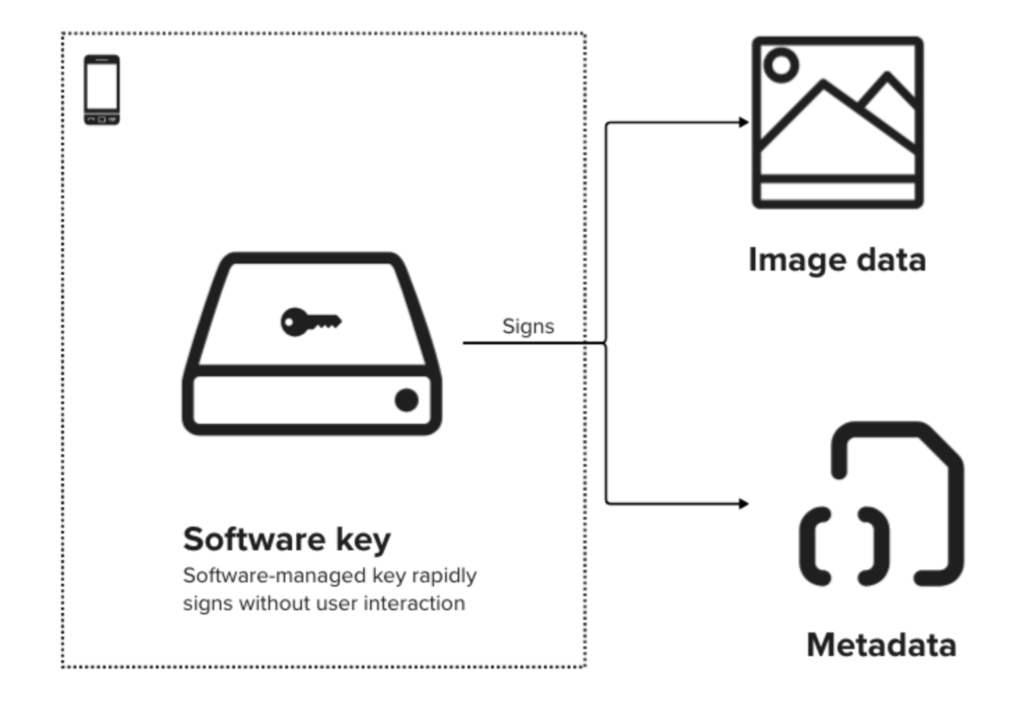
Since this key was not hardware-managed in a secure enclave, it would be more vulnerable to key compromise on a field device. However, in our controlled deployments with trusted fellows and Starling-provisioned hardware, we have high confidence that the software key is untampered, and we can rely on the digital signatures produced.
This experiment highlights the importance of automated verification of all signatures at every opportunity, and especially as data crosses system trust boundaries. For example, when the backend server receives a signed message, it should first discover what set of signatures are contained in the message, and then proceed to verify all of them. This assures all information required for verification is provided.
Another place where errors may occur is during preservation of these signatures. An incident occurred in another implementation where metadata was signed and transmitted as JSON payloads. The backend system proceeds to parse the JSON data, then writes the data back to disk. However, when it is read back again for verification, the ordering of the JSON content is altered. The two JSON documents are semantically equivalent but bit-by-bit different, and therefore no longer verify with the original signature. The original ordering transmitted was essentially lost in this process, making retroactive verification impossible.
The method to combat this type of error has evolved from first applying a round of binary-to-text encoding (e.g., Base64) to original data before signage and storage. Later implementations stored canonical representations such as JCS and CBOR with deterministic ordering of data. Similar challenges exist when data is “chunked” for hashing under certain implementations, and methods that standardize on this process such as BLAKE3 are adopted to provide determinism at verification.
Editing with Adobe Content Credentials
The C2PA specification, along with its tooling, were in early beta during this project. Updates that are not backward-compatible in the Content Credentials beta feature in Photoshop v23.1.0 occurred after some of the photos were captured and before the editorial team had an opportunity to edit them, leading to incompatibility in the C2PA tracking features during the edit phase.
Additionally, tracking of edits in Photoshop were limited. According to BCN Photo Editor Ray Saint Germain, “We wanted to see more from Adobe’s Content Credentials tool: to record detailed changes to photos including details of what was done with color adjustments – such as curves, hue/saturation, levels, etc. – and list of filters used.”
In other words, the version of Photoshop Content Credentials used at the time could be improved with more robust recording of editing changes showing the values of tonal changes, saturation, and any composition adds or removals.
Adding captions to photos with tracked changes proved to be challenging. Software like Photo Mechanic and Adobe Bridge could not be used because they didn’t have C2PA features to track changes, so captions must be entered using Photoshop, which did not offer a batch captioning feature and instead required toggling through multiple fields in the program’s interface. We also discovered that when exporting photos (rather than save), which was required for using the Content Credentials feature, Photoshop did not include captions with the exported images.
Due to these challenges, the team decided to sign photo edits with our own signing certificate for some of the files rather than to use Photoshop’s built-in Content Credentials. Therefore, for some photos in the project, readers will find edits that are signed by Starling Lab rather than Adobe.
This project used a very early pre-1.0 version of the C2PA Specification. Subsequently, versions 1.0 and 2.0 have been released. Content Credentials as a feature in Adobe Photoshop has also been improved, adding more granular change tracking, the ability to add information about the producer (Adobe account owner), among other updates.
Integrating Four Corners with C2PA
This was the first implementation of the Four Corners project with C2PA support. The process of formatting and adding the data that would appear in each of the Four Corners displays was mostly done manually. These displays allowed users to dig deeper to examine metadata and related assets.
Though this manual entry could be easily done for a small set of images, any newsrooms that wanted to do this on a larger scale would need to have a system for easily ingesting and formatting data to correctly display in the Four Corners Wordpress plugin.
Authentication Ecosystem & Business Model
In the world of deep fakes and generative AI, BCN Photo Editor Ray Saint Germain expresses the importance for Bay City News to authenticate all images made available to its clients.
“We source photos from subjects, agencies and public sites for many of our stories and each photo is vetted for authentication and copyright. Our clients, knowing the photos made available to them have been vetted, is a value we are working on monetizing by subscription and a la carte purchases.”
– Ray Saint Germain, BCN Photo Editor
Saint Germain points out how signed contextual and integrity metadata “could help us monetize our photos if other news organizations, viewers and even commercial clients who care about the integrity of the images are willing to pay a premium for them, knowing that the content is authentic.”
This remains to be tested, however. Saint Germain also states, “as it stands, most of our newswire clients, SF Bay Area print, radio and TV stations, China Press, New York Times and others, say they want photos but few would voluntarily pay for them because they are not concerned about high-quality images. Instead, they rely on user generated content submissions, stock photos, their own archives, or one master source like the Associated Press. So to charge even more for the authenticated photos might be a high bar.”
Importantly, with the related costs of equipment, software developers, blockchain registrations, and staff time, BCN Foundation and other similar-sized newsrooms can't accomplish this without adequate financial and technical support, or an ecosystem of affordable tooling. The development of cameras, content management, sharing, and editing tools, along with interfaces that allow inspection and exploration by verifiers are all part of an ecosystem that continues to be built.
Contents
Context
Framework
Technology
LearningsArchive
Archive
- Lodi shelter participates in local homeless count
- Stockton mourns killing of fire captain as he responded to emergency call
- A look at the day-to-day life of an unsheltered Stockton man and how he copes with regular displacement
- Stockton’s new Respite Center helps addicts get clean and sober on their path to recovery
- A matter of trust: Inside Stockton’s Police Department and the residents they serve
- Article on the process: https://localnewsmatters.org/nuts-and-bolts-the-bay-city-news-starling-lab-authentication-project/

Setting the Record Straight in Brazil’s Burning Wetlands
Setting the Record Straight in Brazil’s Burning Wetlands
Documenting the devastation of Brazil's Pantanal wetlands, this story showcases a collaboration between a writer, a photojournalist, and technologists fighting rampant disinformation during Brazil’s presidential election.
Starling LabReading Time: 5min
Prototypes
Tags
Brazil, Off-grid, Photojournalism
Share
Contents
Background
Context
Framework
TechnologyLearningsArchive

Background
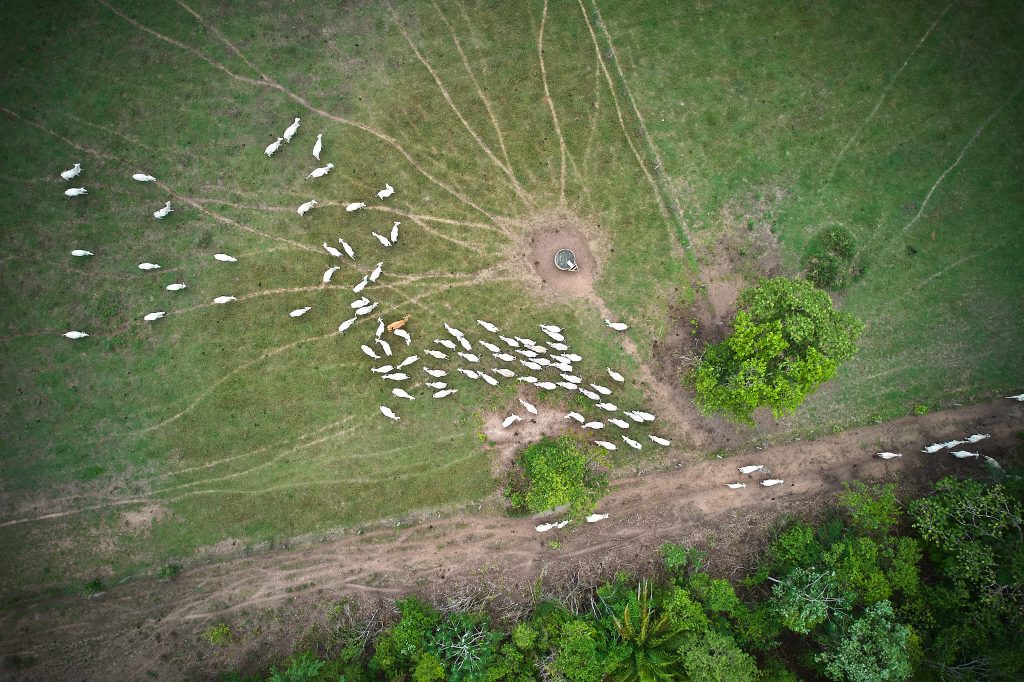
Under President Jair Bolsonaro, climate-driven droughts and burns to clear land spawned more wildfires than ever throughout Brazil, especially in a central wetland region called the Pantanal. More than a quarter of the Pantanal (over 9.6 million acres) burned in 2020 alone, devastating subsistence farmers, small ranchers, and fishers. For years, Bolsonaro downplayed the crisis as “disinformation,” even in speeches to the United Nations General Assembly.
The October 2022 Brazilian presidential election captured the world’s attention with concerns about misinformation as Bolsonaro sought a second term. The incumbent had continued to spread his own disinformation about the cause and effects that threatened his country’s rare habitats.
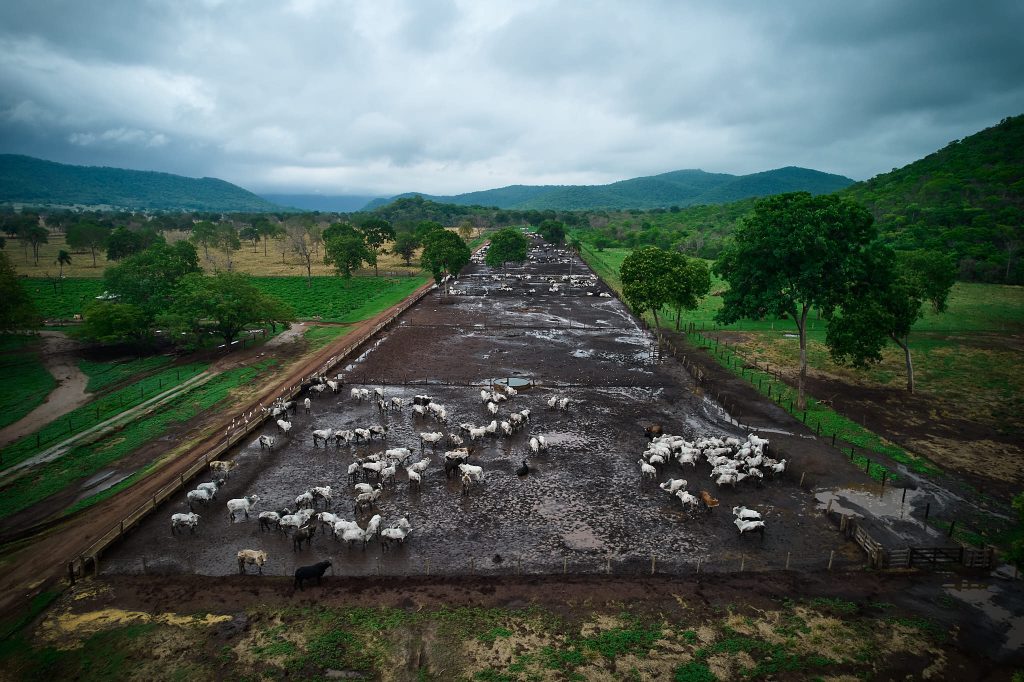
Finding a way to prove to the public what was really happening in this vulnerable ecosystem was a high priority for local journalists. On September 30, 2022, Inside Climate News (ICN) published a story headlined “In Brazil, the World’s Largest Tropical Wetland Has Been Overwhelmed With Unprecedented Fires and Clouds of Propaganda.” In addition to the environmental challenges the country had been facing at the time, the story highlighted how Brazil has also been confronting two destructive forces challenging journalism: the contradiction of fact-based information and the denial of climate change.
Bolsonaro lost his bid for reelection the following month to his predecessor, Luiz Inácio Lula da Silva. While Bolsonaro was president, the Amazon had seen the highest deforestation rates in 15 years. In contrast, when “Lula” Da Silva was in office from 2003 to 2010, the same region saw a 48% decrease in deforestation rates. The 2022 presidential election was celebrated by those hoping to protect sensitive environmental habitats and seen as a victory over denialism.
Whether about climate change or any other high-stakes issue, it is of utmost importance that electorates (and all audiences) can access reliable evidence and make their own informed decisions. We set out to demonstrate how verifiable digital media can serve that function when it includes a provenance trail and cryptographic integrity.
Contents
Context
FrameworkTechnologyLearningsArchive
Context
In this project, we deployed new technologies to confront visual disinformation to help combat the denialism of the climate realities that were affecting Brazilians across the Pantanal.
Independent photojournalist Pablo Albarenga is a documentary photographer and visual storyteller who has documented land conflicts in Latin America involving indigenous people. He is a National Geographic Explorer, a grantee of the Pulitzer Center, and was selected in 2020 as the photographer of the year by the Sony World Photography Awards. In the spring of 2022, Albarenga traveled to Brazil’s largest tropical wetland area, the Pantanal, to document the environmental devastation of the area for a project published with Inside Climate News. The story was written by Jill Langlois, an independent journalist based in São Paulo, Brazil. Her work, which focuses on human rights, has appeared in National Geographic, The New York Times and The Guardian.
Founded in 2007, Inside Climate News is a Pulitzer Prize-winning, nonprofit, nonpartisan news organization that reports on and provides analysis of climate change, energy and the environment. Senior Editor and award-winning photojournalist Michael Kordas oversaw the editorial process, editing Langlois’s story and Albarenga’s photographs. Columnist and Web Producer Katelyn Weisbrod handled production, technical implementation and story layout.
At the Starling Lab for Data Integrity, an interdisciplinary team of journalists/editors and technologists worked on novel ways to bolster trust in this project’s key records. Albarenga worked with the lab’s engineering team, including Chief Technology Officer Benedict Lau and Head of Engineering Yurko Jaremko, to deploy authenticated camera capture tools to better secure metadata at source. This group oversaw development and implementation of photo capture and authentication solutions. They also worked with Four Corners developer Corey Tegeler who assisted with the final photo presentation.The Lab’s editorial team, led by Journalism Program Director Ann Grimes and former Executive Editor Sophia Jones, also worked with Albarenga, Langlois, and the Inside Climate News editorial and tech teams to implement and integrate new technologies into the news organization’s workflow.
Contents
Framework
TechnologyLearningsArchive
Framework
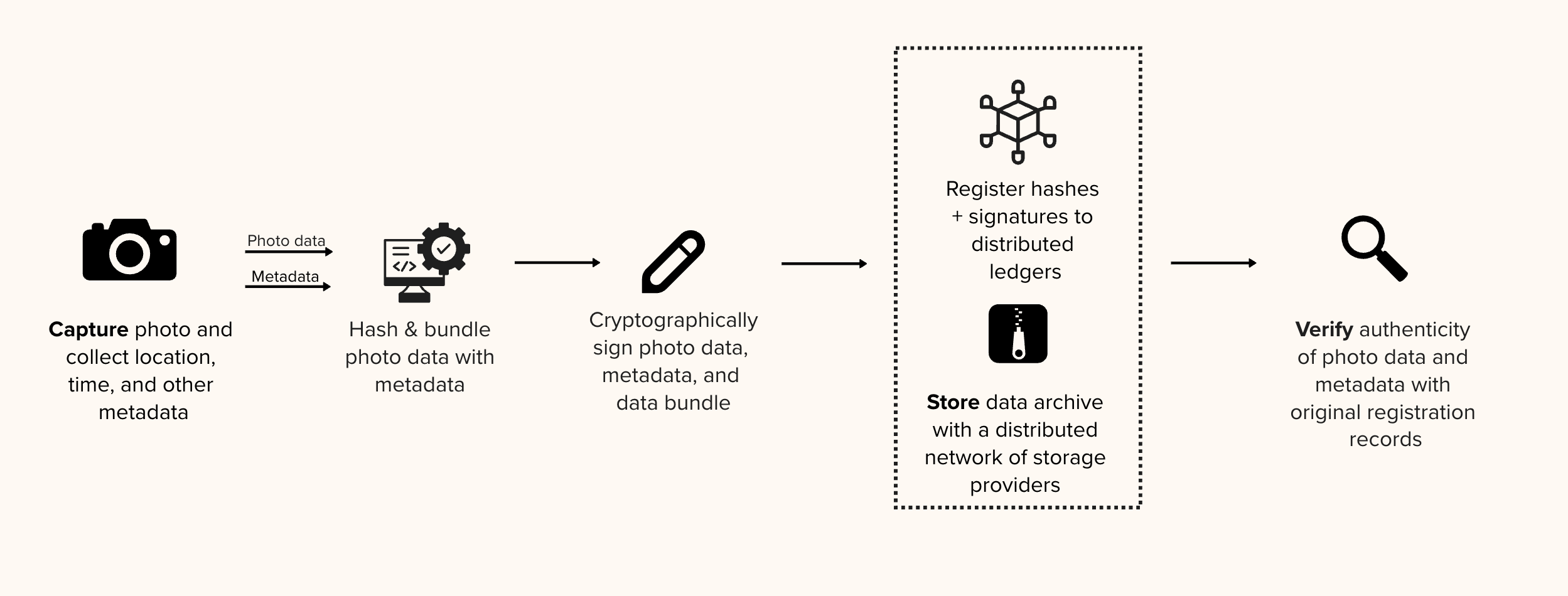
At the Starling Lab, our guiding objectives include establishing provenance of information and securing the integrity of digital content preserved for long periods. Integrity of digital content is assured through cryptography, allowing current and future verifiers to evaluate the authenticity and trustworthiness of each asset. To accomplish these objectives in this project, the Lab applied our three-step framework of Capture, Store, Verify.
The Challenge
Senior Editor Michael Kordas noted how climate change deniers may dispute the subject matter ICN covers and recognized the value of rigorous verification standards. "With photojournalism as part of my portfolio of responsibilities at ICN, I was excited to use the image verification technologies provided by Starling and the Four Corners template," he said.
Kordas pointed to ICN's commitment to maintaining the highest standards of vetting and verification for their stories. "ICN stories have occasionally been called into question or subjected to attempts to discredit them by climate change skeptics or those who have vested interest in preventing action on climate change," he explained. The integration of authenticity markers for an image is a crucial addition to their verification process in visual storytelling. "During the past few years, ICN has been expanding its photographic report, and being able to provide proof of an investigative photograph’s provenance and authenticity … can help bolster the credibility of the photography the site publishes and increase its impact," Kordas added.
So how might authenticated images disprove the rhetoric of Bolsonaro?
Contents
Framework
TechnologyLearningsArchive
The Prototype
In this project, we sought to deploy new technologies to confront visual disinformation by better authenticating digital content. Photos presented in our coverage provide a clear window into the environmental crisis. They go further by displaying contextual metadata that supports the provenance of what is documented, creating an unalterable “time capsule” of the events captured in the images, displayed using a UX called Four Corners and verification standards established by the Coalition for Content Provenance and Authenticity (C2PA).
Capture: Starling strives to establish a root of trust in digital media as close to the point of capture as possible. For this purpose, we co-developed a mobile application—Starling Capture, in collaboration with Numbers, a Taiwan-based company that leveraged the hardware signing capability of the HTC Exodus 1S for their media authentication products. This smartphone, paired with a professional Canon camera via Canon’s Camera Control API (CCAPI), can authenticate digital content and metadata at the point of capture. Additionally, integrity information and provenance metadata from the images were registered on the IOTA blockchain.
Store: Starling researches how advanced cryptography and decentralized networks can securely preserve and distribute content over time. While integrity records from the time of capture are registered on public ledgers, the images themselves were preserved on the Filecoin storage network and made available over IPFS for peer-to-peer distribution.
Verify: Starling uses immutable public ledgers to register digital content, as well as other techniques to include contextual information that are authenticated. This forms an auditable foundation that enables experts to verify the provenance and evaluate the trustworthiness of that content. With the Four Corners project, we created a unique display for contextual and authenticity information packaged in each image file using the Coalition for Content Provenance and Authenticity (C2PA) specification, and displayed the information in Inside Climate News articles using a custom WordPress plugin.
Contents
Context
Framework
Technology
LearningsArchive
Technology
Capture
The Capture Setup
The authenticated capture process begins with provisioning of equipment capable of collecting contextual information and cryptographically securing data at the point of capture. In this project, photojournalist Pablo Albarenga used a Canon EOS R5 camera paired with an HTC Exodus 1S phone, which was preconfigured with the open-source Starling Capture mobile application and authorized to send data to the Starling servers.
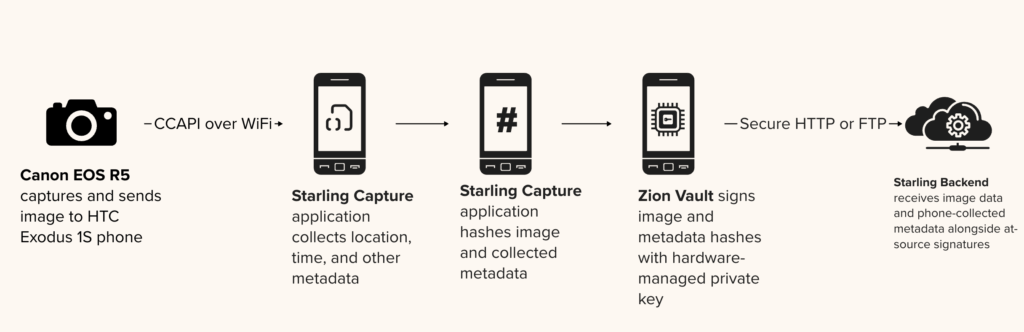
Uniquely, this smartphone embeds a secure vault for cryptographic keys inside a hardware enclave—permitting digital signing of data using a hardware-protected key. This significantly enhances security by isolating the keys from the main operating system and protecting them from tampering and unauthorized access.
This mobile application is specifically built to function with Canon cameras supporting Canon’s newly-released Camera Control API. The API permits the phone to interact with the camera over WiFi, receiving preview data and captured photos in the application. Once captured, a photograph is wirelessly transferred to the phone automatically, and the application then collects rich contextual metadata surrounding the capture such as location and time. It then computes the image’s unique digital fingerprint—its cryptographic hash. The image hash and contextual metadata are then digitally signed.
This digital signature verifiably ties together a private key provisioned on a specific device and each of the photographs originating from it. Only recently, and long after the completion of this project, have a very limited number of professional cameras become capable of digital signage directly on-camera as part of the capture process.
Certification and Registration
After the at-source authenticated data bundle was generated, it was then securely uploaded to a backend server managed by Numbers.
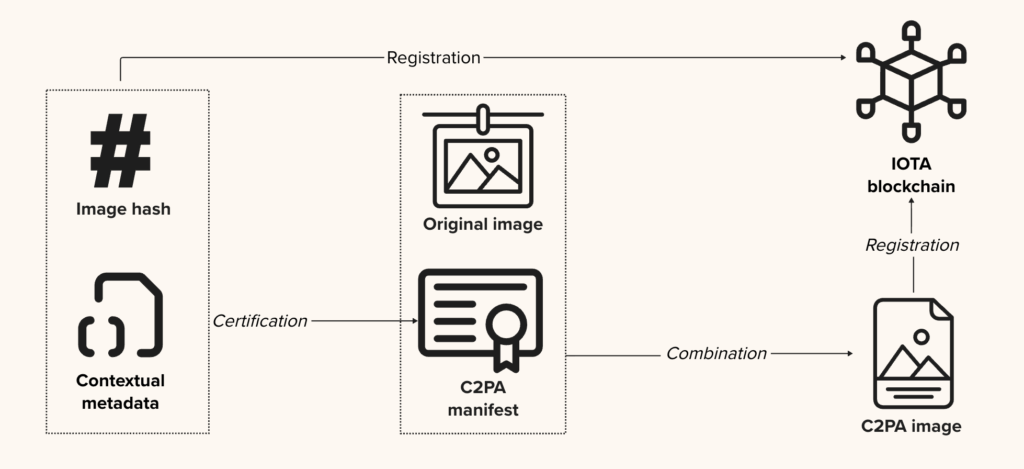
The backend server takes the image and metadata to produce a C2PA manifest, which is then combined with the image to create a digitally signed C2PA image. This represents the first version of the image as a C2PA-compliant file where all pixels and metadata are authenticated. These C2PA images are later used to produce the published images. In between, the photographer can use Photoshop to make and track edits to these images, allowing the modifications to be verifiable.
Provenance data of both the original and C2PA images are registered to the IOTA blockchain by means of recording the asset hash and some basic metadata—crucially, the image and most of its metadata are not displayed publicly on a ledger. This allows the photographer to later decide which images and metadata to provide to third parties for future auditing, and does not automatically expose sensitive information or outtakes they might want to keep private.
Store
Content online disappears at alarming rates, and for various reasons: website restructuring, domain name changes, expiration of domain name registrations, dynamic content updates, and server issues. This is the phenomenon known as link rot. In general, there is little guarantee that existing web or even archived content will continue to be stored in the future. To address this issue, Starling retrieved Albarenga’s edited photos from ICN, and stored them on decentralized systems for preservation. That way, no single centralized entity has full control of their long-term preservation, and the digital assets may become more resistant to loss or censorship.
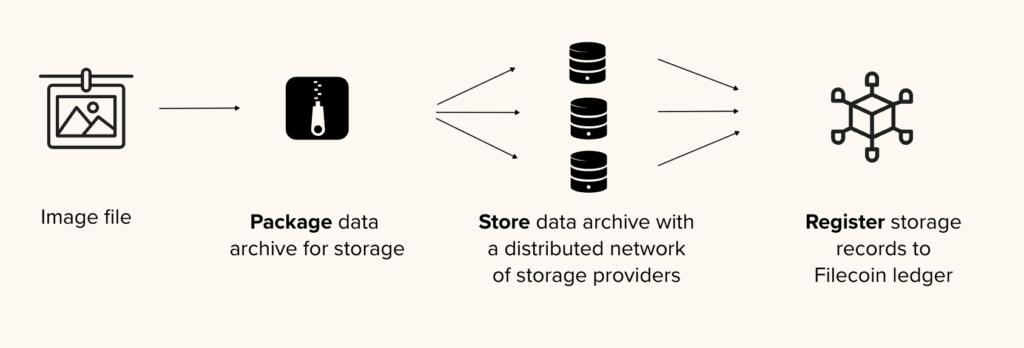
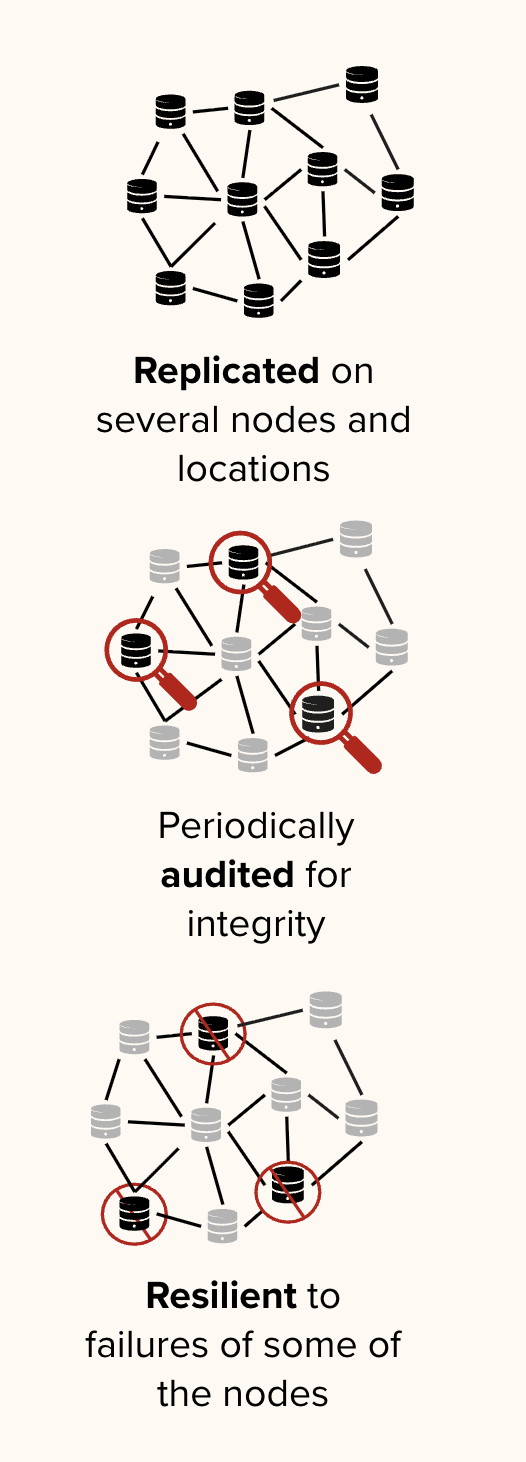
There are several emerging content storage and distribution technologies, such as Filecoin and IPFS, which Starling uses for preservation and publishing of the images. These technologies rely on storing the data in many servers, owned and operated by different people or organizations, all preserving the exact same file to provide redundancy in storage. Filecoin in particular requires participating storage providers to put up a financial collateral, which they would lose to the network should they default or back out of the storage contract before the agreed term.
Verify
After applying the decentralized preservation methods to the photos, additional contextual metadata—such as the photo caption, links to related photos and background information—are added as an additional C2PA manifest. The purpose was to provide rich contextual metadata for readers of the published article to verify and evaluate the authenticity and trustworthiness of the image.
Implementing C2PA with Four Corners
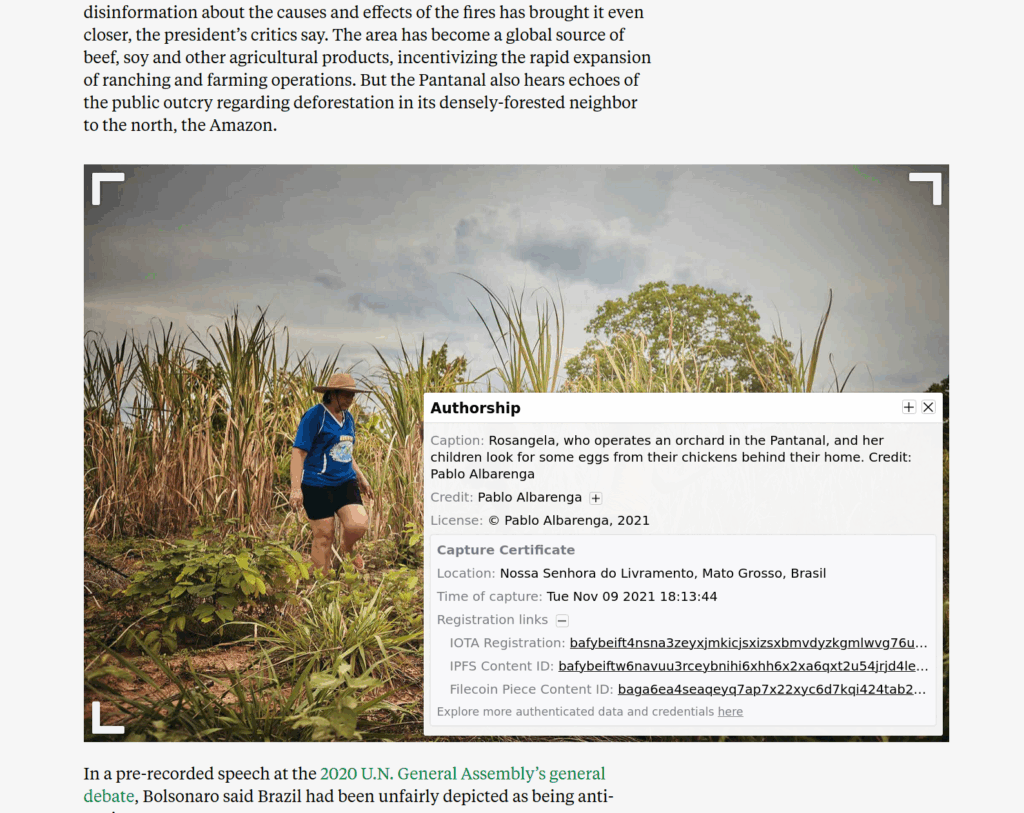
With digital media, in the absence of cryptographic attestations at source, there is little forensic evidence of the origin of an image. When retrieving an image from decentralized stores, even though it can be verified that the image has not been tampered with, there is little information available about its context and provenance. The concern is growing in the face of rapid developments with generative artificial intelligence. To address this, Starling partnered with the Four Corners Project to embed contextual and provenance information into the images, so they can be surfaced in an interactive display for readers to explore.
Records of authenticity, including the ledger where at-source integrity metadata are registered, and storage records where the original image is preserved, are encoded into the image file, attested to via C2PA, parsed and rendered onto the published story using Four Corner’s WordPress plugin, specially developed for this collaboration.
Verifying Photos with the Four Corners Design
The presentation allows specific information to be viewable in each of a photograph’s four corners, where it is available for interested readers to explore by simply clicking on them. This increased contextualization strengthens both the authorship of the photographer and the credibility of the image. In this project, the Four Corners user experience was designed as follows:
- The lower right corner shows the “Capture Certificate” (showing readers how the photo has been authenticated) and the photo’s caption.
- The lower left shows the photographer’s backstory about making the image.
- The top left shows related photos from the story.
- The top right shows related links.
To introduce the new feature, ICN displayed a short Editor’s Note below the author’s byline on the main story. Readers also were invited to learn more about the technology by clicking a link that took them to another page with more information on the technical details.
Contents
Context
Framework
Technology
LearningsArchive
Learnings
Overall Reception and Distribution
According to the Inside Climate News team, the story was a hit, ranking as the top story on their site within the first four days after its publication, garnering almost 30,000 views. Weisbrod, the columnist and web producer, remarked: “Everything that gets more than 10,000 views is certainly a hit on our site.” The story’s popularity coincided with the Brazilian election run-off, giving both the Starling Lab and ICN a month-long opportunity to share the story widely, including through outlets like Covering Climate News, Poynter, and others.
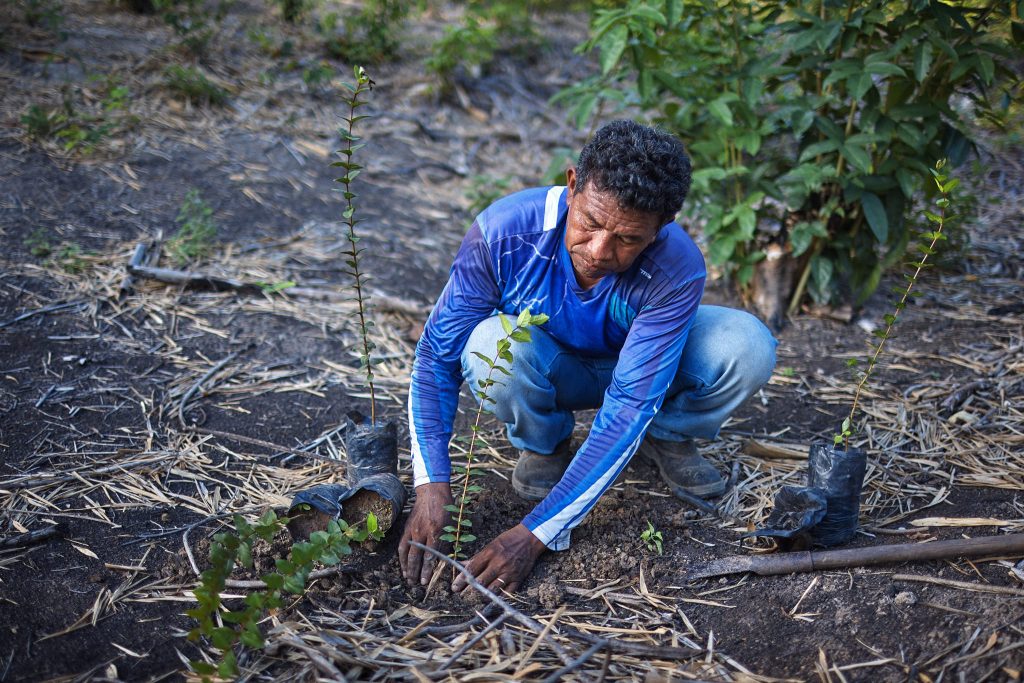
In 2023, an interview in the Columbia Journalism Review with Brazilian journalist Gabriela Sá Pessoa linked the story when discussing how the press handled Bolsonaro’s approach to environmental issues. “There was regular imagery, especially on television, of fires in the Amazon and elsewhere—starting in 2020, fires also burned out of control in the tropical wetlands—which I think played a big role in shaping public opinion,” she said. “In fact, I think this coverage partly led to [former and again-president Luiz Inácio Lula da Silva], during last year’s presidential campaign, calling protecting the environment and fighting climate change his top goals.”
Connectivity and Gear Issues
Albarenga experienced several connectivity issues with his camera’s on-board WiFi, which at times required him to reset both phone and camera—a considerable disruption to his workflow in the field. As he put it, "I had to remove the battery of the camera and reset both the camera and the phone, sometimes twice, to make [the tethering connect]."
Additionally, Albarenga reported mixed feelings towards the sound notifications intended to confirm photo authentication. Each picture transfer triggered multiple such notifications, and produced a continuous noise during bursts of consecutive shots. That being said, these audio confirmations were helpful in keeping him focused on what was around him, instead of needing to pull out and look at his phone. Albarenga suggested reducing the number of notifications per image, and using a distinct sound for errors to further assist hands-free field capture and feedback.
Upload and Workflow Efficiency
Uploading images proved to be another significant issue for the photographer, who had to deal with slow internet speeds in remote areas of the country. Albarenga’s first attempt to upload around 200 photographs overnight failed, leaving many not uploaded. Crucially, the mobile application lacked the ability to filter and sort, making the identification and selection of failed uploads a painful endeavor. He said, “after [some of the photos] didn’t upload overnight, I had to [scroll through and] visually check which ones had the checkmark on them.”
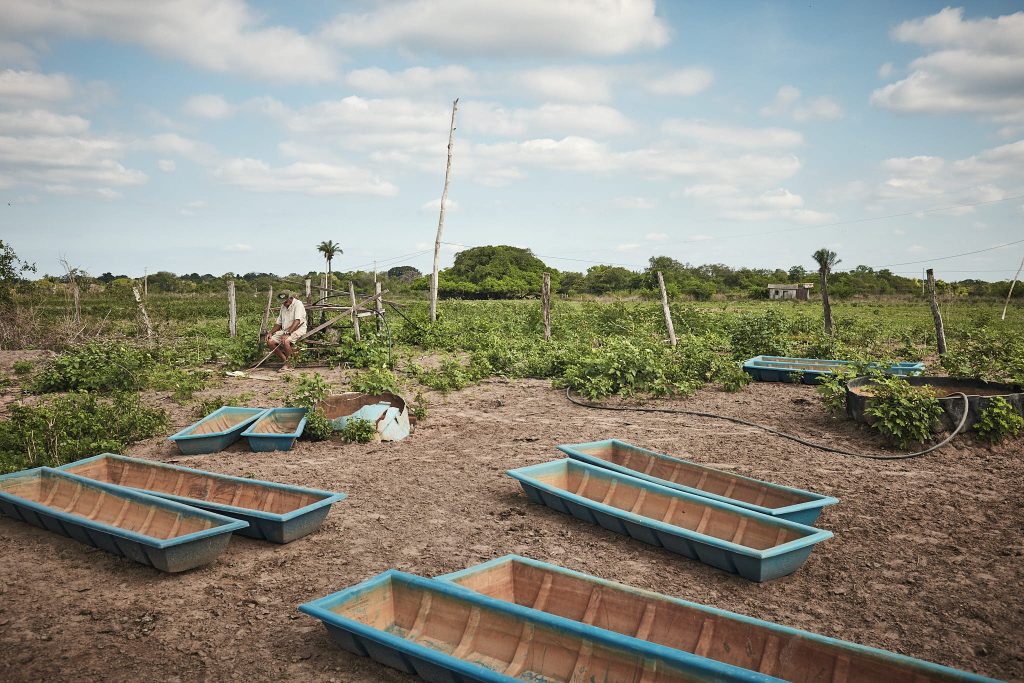
Albarenga also remarked that the C2PA-compatible editing workflow through Photoshop was not particularly fit to handle a large field photoshoot, which is a common need for visual journalists. “Captioning through the phone app or one-by-one in Photoshop would take me several days,” he said, noting that he would have preferred bulk editing through tools like Lightroom or Photo Mechanic.
Reflecting on the two issues above, Albarenga saw opportunities in the future: “I think many of these issues will be resolved when the authentication is made in the camera itself.” It would also require broader adoption of C2PA by industry-standard editing tools, in this particular case, ones that photographers commonly rely on for bulk editing.
Presentation Challenges
“The entire ICN masthead was pleased with the way the Four Corners technology finally worked on our site and recognized the value of being able to provide information that verifies the authenticity of the images,” said Senior Editor Kordas. “We’re eager to see how these technologies develop and are adopted by a wide range of news media.”
Enabling readers to dive deeper into the visual assets was especially important for this story. As Weisbrod put it: “With topics related to climate change, which can be scientifically, politically and socially complex, being able to provide more details about the story behind photos can be a valuable way to expand ICN readers’ knowledge.”
Part of the success of the launch was due to the amount of planning and anticipation of technical challenges. This required coordination between teams to address potential glitches. After the Four Corners presentation was readied with all the assets assembled (authorship, ethics statement, backstory, related images, related links, metadata, certification of authenticity), the technical team tackled frontend issues, particularly on iOS and involving the lazy-loading of CAI tools by Four Corners. Kordas expressed hope that eventually these technologies would reach a “plug and play” level, making implementation smoother and less disruptive to the production process.
Contents
Context
Framework
Technology
LearningsArchive
Archive
Special Thanks to Inside Climate News
Founded in 2007, Inside Climate News is a Pulitzer Prize-winning, nonprofit, nonpartisan news organization that reports on and provides analysis of climate change, energy and the environment. Senior Editor and award-winning photojournalist Michael Kordas oversaw the editorial process, editing Jill Langlois’s story and Pablo Albarenga’s photographs. Columnist and Web Producer Katelyn Weisbrod handled production, technical implementation and story layout. Langlois is an independent journalist who has been based in São Paulo, Brazil since 2010. Her work, which focuses on human rights, has appeared in National Geographic, The New York Times and The Guardian. Pablo Albarenga is a documentary photographer and visual storyteller who has documented land conflicts in Latin America, involving indigenous people. He is a National Geographic Explorer, a grantee of the Pulitzer Center, and was selected in 2020 as the photographer of the year by the Sony World Photography Awards
Submission to the UN Special Rapporteur on Human Rights Defenders from our Brazil Coverage

Journalism
We are honored to see our work featured in Mary Lawlor‘s UN Special Rapporteur report to the Human Rights Council: “Out of Sight: Human Rights Defenders in Rural, Remote and Isolated Contexts.”
UPDATE: Since this was published, the UN Human Rights Council adopted a resolution on protecting human rights defenders in the digital age. It addresses several important issues that our Lab has been focused on. Scroll to the end of this page for more details.
The report notes how Starling Lab supported efforts in Brazil’s Pantanal wetlands with tools that work even in low-connectivity environments, which is needed where the “digital divide hits many human rights defenders very hard.”
In a speech this month presenting her findings, Lawlor observed how some of those most at-risk include “journalists covering human rights issues at the local level.” Starling’s methodology was used by journalists to document environmental destruction – and confront climate change denialism. Our submission to Lawlor’s office focused on data authentication, decentralized storage, and cryptographic verification. Together, these ensure documentation remains tamper-evident and accessible, even when governments seek to dismiss the truth.
Her report includes several valuable recommendations to governments and other international actors, two of which resonate with our work:
- “Expand access to the Internet and secure communication tools, including by increasing funding for such digital security resources as encrypted communication applications and secure reporting channels.”
- “Support efforts to enable human rights defenders to store and safeguard their information securely, without fear of unlawful surveillance or data breaches, including putting in place robust legal safeguards to prevent the misuse of digital tools to suppress dissent or target defenders and ensure that their digital rights are protected.”
We appreciate being included among so many other human rights defenders, and remain grateful to Pablo Albarenga for his photojournalism in Brazil, as well as to Inside Climate News for publishing this important coverage.
And we hope this underscores the vital role of trusted digital evidence in defending human rights and environmental justice.
🔗 Read the Special Rapporteur’s remarks;
📄 Read the full UN report;
📕 Don’t miss our own case study;
📰 And the Inside Climate News article
Starling Lab was previously referenced in a report to the UNHRC in 2023 by the Rapporteur on the right to education, who acknowledged similar methods used by the lab as emerging “good practices” for documenting war crimes against civilian objects like schools.
Update (April 16, 2025): Our submission is also echoed in a new resolution from the UN Human Rights Council, which addresses the protection of human rights defenders in the digital age (full text: A/HRC/58/L.27/Rev.1).
The resolution emphasizes “universal connectivity” and “meaningful connectivity” as essential for defenders’ work, calls for “technical solutions for strong encryption and anonymity,” and advocates for secure information storage “without fear of unlawful surveillance.” It specifically recognizes the “growing number of digital attacks” on defenders and acknowledges the “protection gap” caused by lack of accountability.
These address key points from our submission on data integrity and authentication technologies for remote areas.
We’re particularly encouraged by the HRC’s recognition that “new and emerging digital technologies can hold great potential for strengthening democratic institutions and the resilience of civil society, empowering civic engagement and enabling the work of human rights defenders, public participation and the open and free exchange of ideas, and for the exercise of all human rights.” This aligns perfectly with our mission at Starling Lab to harness technology to establish trust in digital records.
Our earlier submission outlined innovative approaches to produce documentary evidence and combat digital denialism. This includes cryptographic methods that authenticate evidence from the point of capture, enabling defenders in remote areas to establish credibility despite connectivity challenges. The submission also referenced ongoing work on telecommunication technologies, including 5G, to further enhance these capabilities.
Battling Link Rot
Battling Link Rot
Brandon Tauszik's journey with decentralized tools to protect his multimedia projects from the pervasive threat of disappearing online content.
Starling LabReading Time: 5min
Prototypes
Share
Contents
Background

Fellowship Projects and Awards
Background
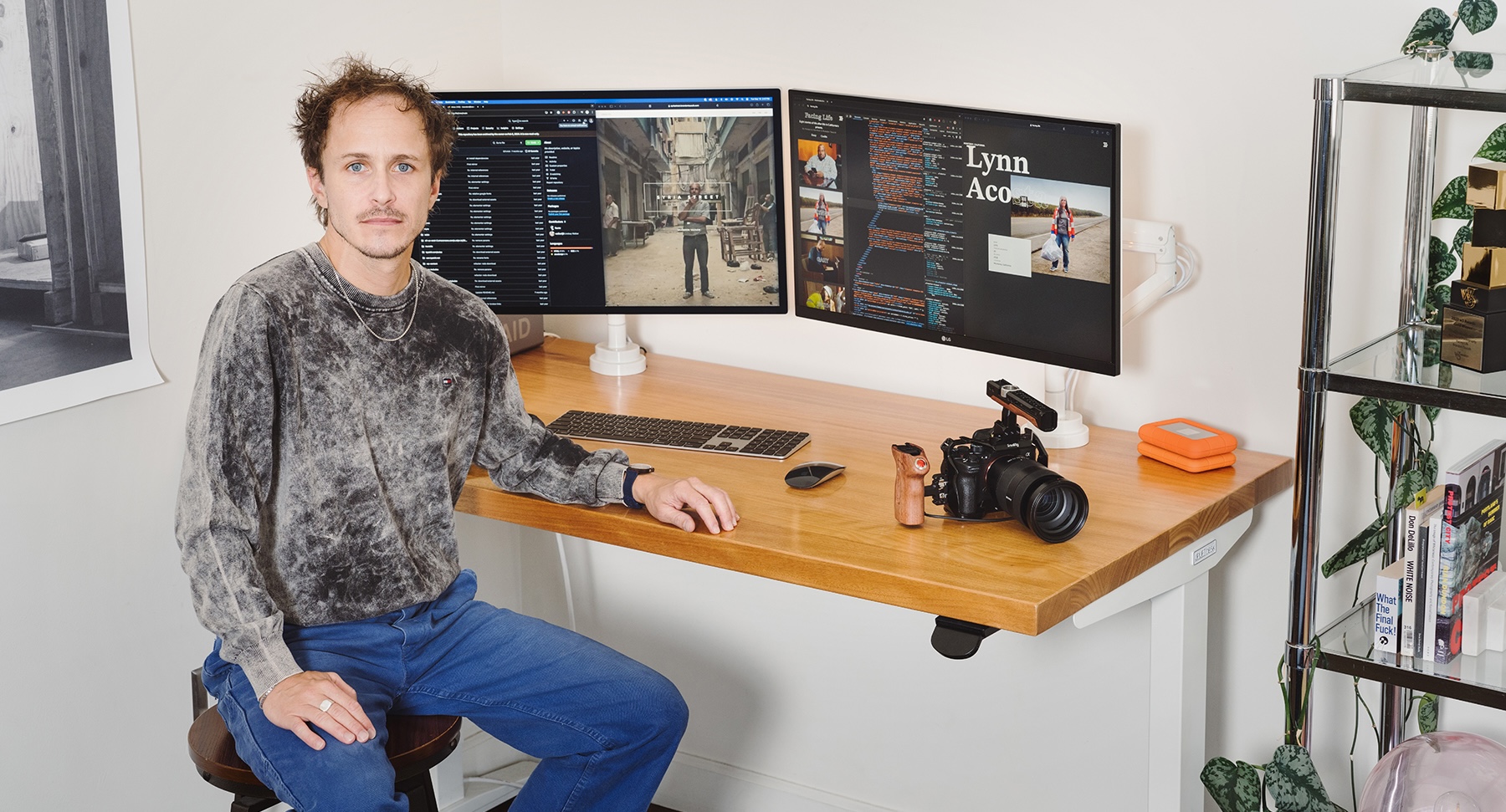
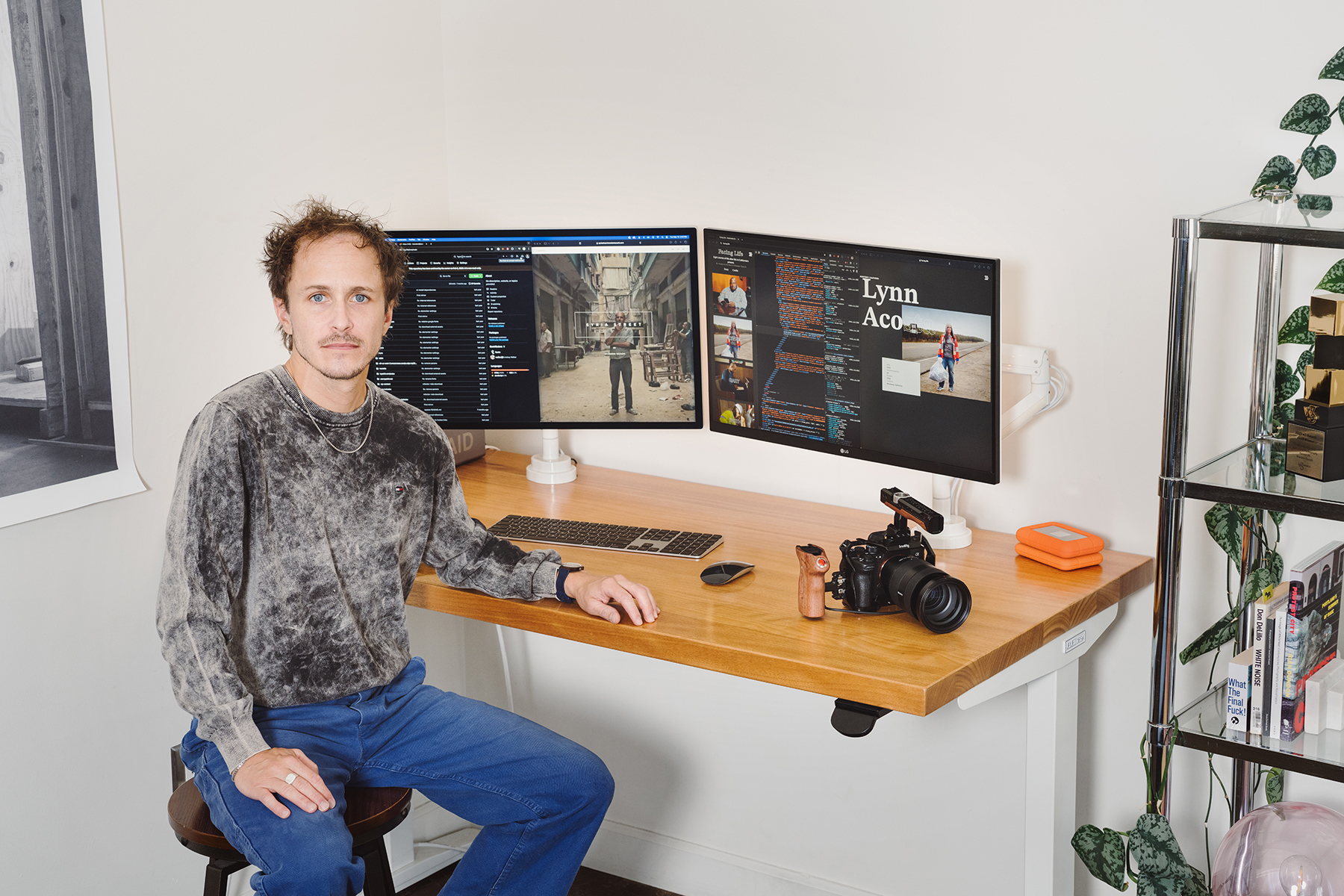
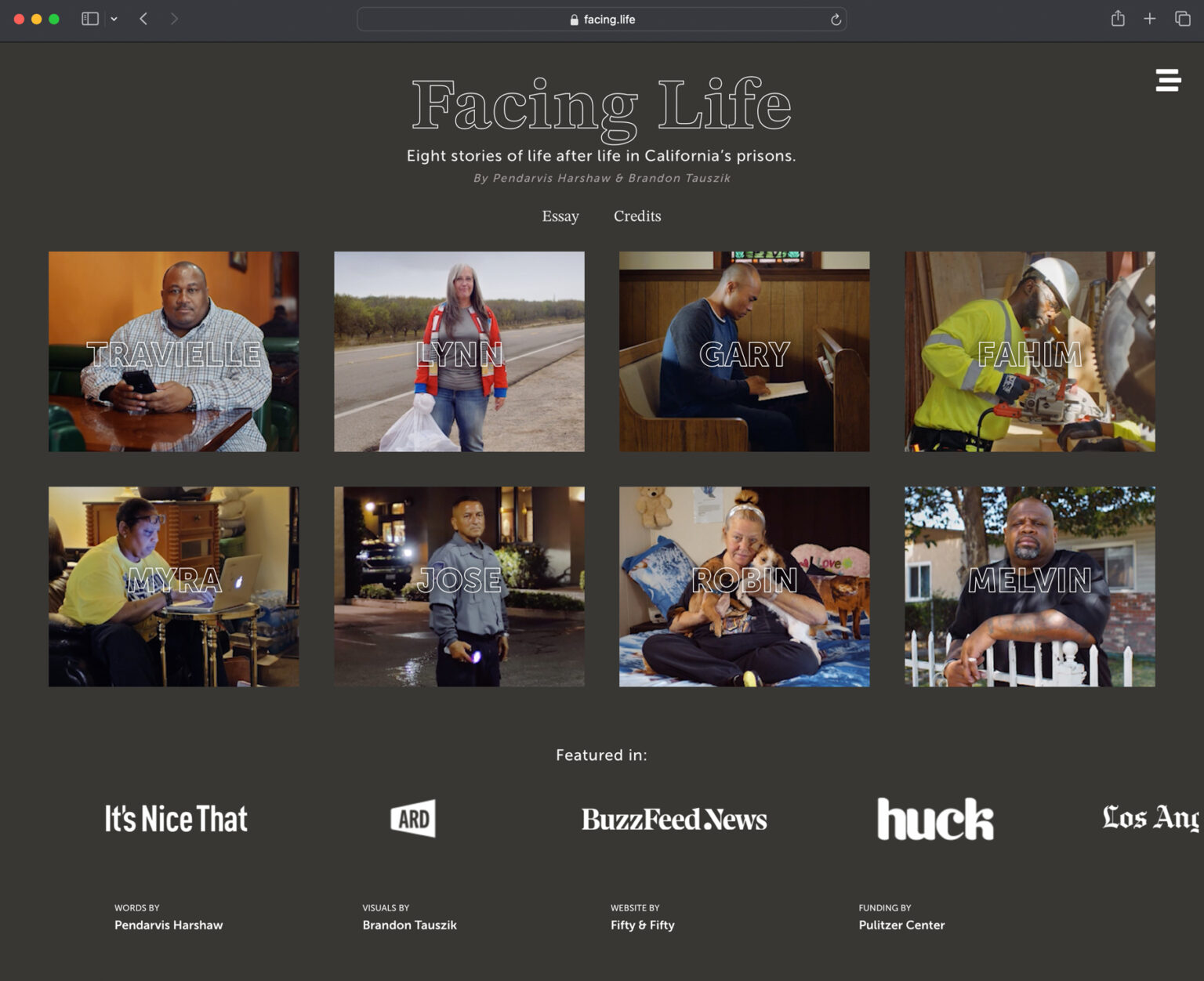
Brandon Tauszik is an independent photographer and filmmaker based in California. His multimedia projects are often built into custom website experiences. Incorporating the largely unexplored medium of cinemagraphs, as well as text, video, and 360 VR, these projects push the boundaries of digital storytelling. Projects included in this fellowship include Syria Street (commissioned by the International Committee of the Red Cross) and Facing Life (supported by the Pulitzer Center).
As a freelancer whose work tends to be hosted by a variety of publishers, Tauszik’s pieces, like the work of many freelance journalists, are often vulnerable to disappearing from the internet. Even when published by a large organization, maintaining and hosting the project websites can become a challenge.
To combat link rot, some artists, journalists, and website owners regularly update and maintain their content, which is an expensive and time consuming task. While web archiving services like the Wayback Machine and Conifer attempt to preserve websites for future reference, they generally have important limitations. For example, there may be challenges capturing password-protected sites (ex: paywalls) and services encounter IP rate limits on some domains. Once archived, users can’t make minor changes or updates, pages cannot be hosted at the original URL, nor can pages be readily ported elsewhere. The archived versions on these services are static copies of the original pages – like a snapshot in time. When creating a portable website that can move between platforms, it becomes important to have an archive with integrity – that is, one that can be verified, with certainty, to contain the original content and provide assurance that data is not misrepresented. To solve this for content creators, we explored customizable solutions that also integrated information about the provenance and integrity of a portfolio.
How We Got Here
The World Wide Web has no single owner, maintainer, nor even a single entity that governs it. What is on – and remains on – the web depends on those who create, serve, and choose to maintain it. Unfortunately, much of what is published on the web eventually disappears – succumbing to a phenomenon known as “Link Rot.”
The pervasiveness of the problem of link rot has been illustrated by studies over the years:
-
- A 2023 study by Pew Research found 38% of web pages that existed in 2013 had disappeared within a decade. A quarter of web pages that were online from 2013 to 2023 are gone.
-
- From 1996 to 2021, an analysis of roughly 2 million links in New York Times articles found that 25% of deep links no longer worked. Researchers noted the rot gets worse with age, observing that a staggering 72% of links from 1998 were dead.
Jonathan Zittrain, a Harvard professor who authored several of these studies, wrote in The Atlantic in 2021 about the implications for society: "They represent a comprehensive breakdown in the chain of custody for facts. Libraries exist, and they still have books in them, but they aren’t stewarding a huge percentage of the information that people are linking to, including within formal, legal documents. No one is."
Contents
Context
FrameworkTechnologyLearningsArchive
Context
Fellowship
In this collaboration, Brandon Tauszik teamed up with the Starling Lab for Data Integrity to understand how decentralized tools, alternative publishing options, and the Starling Framework of “Capture, Store, Verify” could be used to develop a workflow to future-proof his portfolio from link rot. Collaborating with the Sutty development team, his sites were converted to a portable version – with integrity – to make them more resistant to link rot and easier for Tauszik to maintain.
Tauszik’s past projects live on media rich websites. Each website is on a different platform and has a separate set of dependencies and assets to maintain. Currently, if Tauszik wants to preserve all the works in his portfolio, he must pay for and maintain a number of platforms. The goal was to keep his works public and available long term, ideally forever. As hosting costs increase along with the volume of projects in his portfolio, it is becoming unsustainable to maintain all his online work.
Furthermore, the older these projects become, the greater their historical significance and usefulness. Currently, if and when Tauszik is no longer around to maintain his online portfolios, all of his hosting and domain solutions will terminate once payment methods cease to be available (ex: expiration of credit cards). This is of great concern, as the passing of an artist should not cause the death of that artist’s work.
Syria Street Takedown
When one of his projects went offline, Tauszik became aware of the fragility of a portfolio that linked to content published across the web. Without notifying the communications department or Tauszik, the International Committee for the Red Cross IT department terminated Syria Street during a broad sweep of their mini-sites. Tauszik realized that ultimately, digitization is not preservation. Awarded a fellowship with Starling Lab in 2023, Tauszik sought to find the longest term, lowest cost, and safest way to host his work.
To be a successful independent journalist, practitioners like Tauszik need to be able to take control of their content, away from centralized and brittle platforms. While especially pertinent for freelancers, this is applicable to all forms of digitally published media and especially in politically unstable times.
Contents
Framework
Framework
This case demonstrates how Starling’s Capture, Store, Verify framework can protect a freelancer’s portfolio against link rot: by capturing original site states and commit fingerprints; storing redundant copies on decentralized networks; and verifying distribution with content addressing and public registrations.
The result is portability with provenance—sites that can move between platforms while maintaining provable integrity over time.
The Challenge
Link rot is a pervasive problem that threatens the preservation and accessibility of work on the Internet. How might Tauszik’s portfolio avoid the same fate?
First, access to Tauszik’s website had to be optimized for current web systems. This means availability for the longest period of time possible, with minimal maintenance and cost. One of his projects, Facing Life, was self-hosted using Flywheel and WordPress, but the hosting costs were higher than necessary for a relatively static site. Another, Syria Street, was commissioned by the ICRC and hosted on HostGator. Using these platforms for hosting largely unchanging websites without user-generated content was unnecessary and expensive.
Second, Tauszik’s work had to be prepared for future-facing hosting solutions. These include approaches that can be more secure and longer lasting. Using decentralized systems for preservation would avoid control by large tech companies, mitigating risks of vendor lock-in, extensive maintenance, and sites that are not easily portable to other platforms. The Lab also wanted to maintain the integrity of his work. In this context, that means that if the content from the website had to be recovered from archives there would be a way to prove that the content is the exact, original version preserved as a part of this project (i.e.,not edited, censored, or otherwise modified).
Contents
Framework
The Prototype
The solution for preservation and availability consisted of a few simple parts. The Starling Framework (Capture, Store, Verify) provided a clear roadmap to address the important phases of the content’s lifecycle.
Capture
The team converted Facing Life (which was hosted on WordPress) to a static site using Wget mirror options. The Syria Street website was modified to create static code (a set of HTML, CSS, and assets such as images) that can easily be hosted anywhere. This code was published and managed on GitHub.
In addition, authenticity records were created on three different blockchains. The process is akin to making a fingerprint registry to identify a human, but done for digital content. This was accomplished by taking a cryptographically signed hash (effectively, a digital fingerprint of the site), and registering that data with a blockchain transaction. Blockchains are ledgers that cannot be modified after information is added. This process establishes a record of exactly what existed, and when. The blockchain registration is public, allowing anyone to verify what code and assets existed at the time of registration, and can prove when it existed by pointing to the time of registration recorded on the network of blockchain nodes. The registration records also include signatures from Starling Lab attesting to the authenticity of this information.
Store
Once authenticity records of the site assets were recorded on publicly maintained ledgers, the team needed to preserve the assets themselves, and in a way that is not prone to removal in the way records owned by a single central entity are. To achieve this, we created ‘cold storage’ archives on Filecoin. This distributed storage network facilitates the preservation of the content across many servers called “nodes,” a resilient approach intended to withstand everything from censorship to economic decay. This continued archival storage is backed by an economically incentivized system including collateral put up by the network of storage providers.
Verify
Cold storage archives on their own are not that useful for readers. They are not easily accessed by anyone but the archiver or site asset owner. In order for a user to verify that someone has the original versions, they need to have a copy of the currently published version to compare against.
To distribute the content on peer-to-peer systems, the team turned to Distributed Press to publish copies of these on IPFS and Hypercore. The IPFS network uses unique Content Identifiers (CIDs) that make it possible to retrieve copies of the website from any one of the decentralized network’s servers that has a copy of the content. This approach, known as “content addressing,” means users only need to know the CID to look up the site. It contrasts with today’s “location addressing,” where a user must know a precise and still functioning path to the server the content is hosted on (commonly a URL starting with “https://”). Using CIDs to name and access content brings the confidence that you are getting the correct version of the content, regardless of where it is retrieved from.
Tauzik’s websites were republished using a free web publishing service called GitHub Pages, which was a simple configuration once the static code repositories were on GitHub.
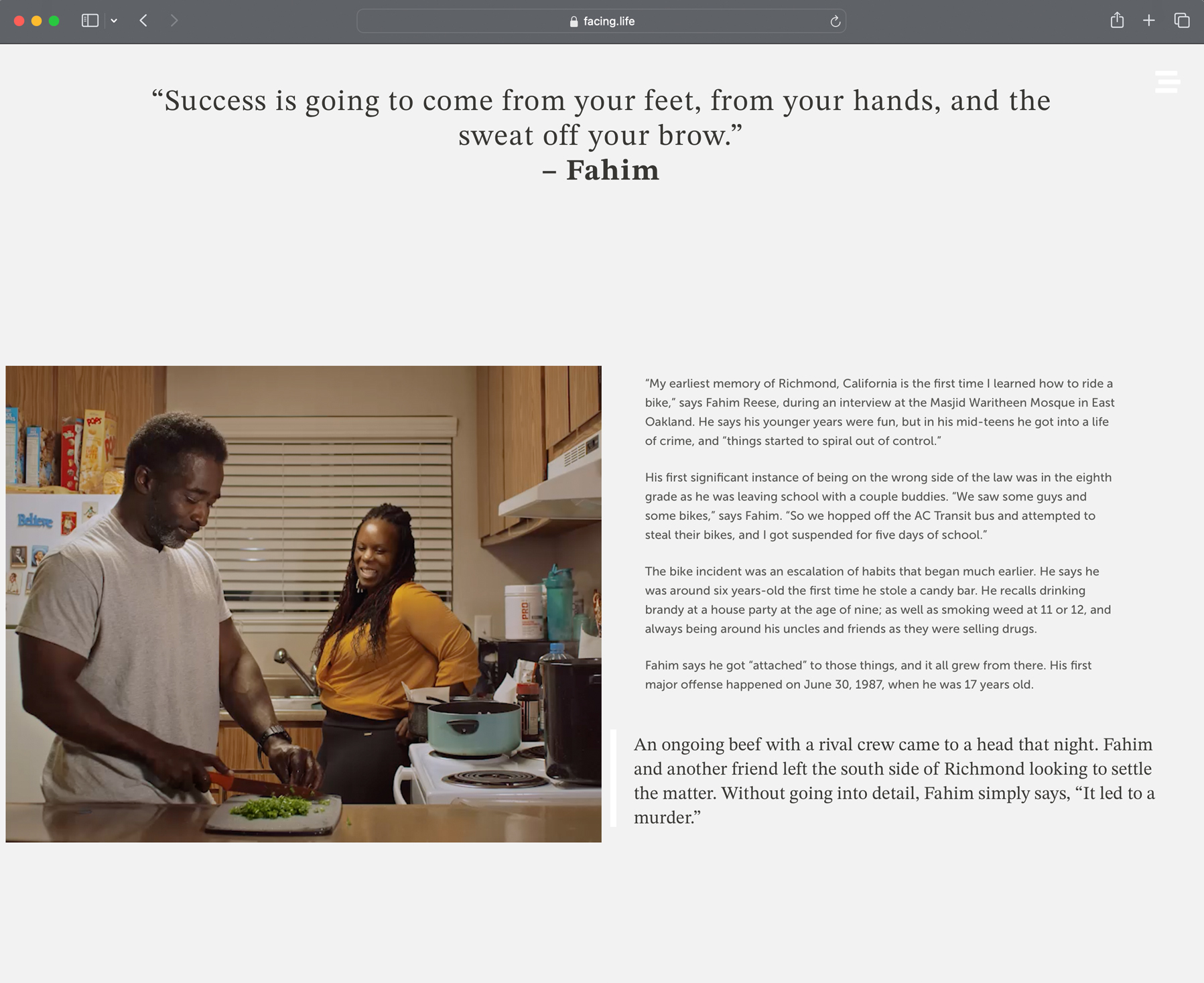
Contents
Technology
Technology
The Lab applied familiar Web2 and emerging Web3 patterns, using technologies where users not only create their content with Web2 hosted service providers, but applied technology that allows users to have full custody of their content, with high agency over data and infrastructure in line with Web3 philosophies to address the challenges of link rot.
A first step to preserve the content of this project’s websites was to minimize dependencies on paid and centralized systems and software. The websites were recreated in a way to be easily – and completely – cloned and hosted in multiple places. This method of producing a “static” website means detaching it from more dependency-heavy content management systems (such as WordPress). It can be applied to many websites, significantly reducing the complexity and cost of hosting.
Once the website is in an easily replicable format, we applied Web3 patterns of decentralized storage and distribution so the website can be made available through many independently-operated servers across the world. Alongside decentralized hosting, the Lab helped to register integrity records of the content to immutable ledgers so the decentrally stored copies can be verified as genuine using these public records.
Capture
Static Websites
In order to move Tausik’s site from a platform intended to host dynamic (i.e., regularly updated) content to a static site, the Starling team worked with the Sutty development team to convert each website into a static set of code. A static set of code doesn’t rely on other software to render the web page, and no changes need to be made in order to view it directly in a web browser. Static sites can be viewed and ported over to any website hosting platform with minimal effort.
Making a website static allows it to be easily replicated and requires little maintenance. A static set of code makes it easy to archive or republish the site fully in many different places. An archiver only needs to archive the static website files, and not worry about replicating the infrastructure (e.g. the version of WordPress and the specific database system) that a dynamic website relies on to operate.
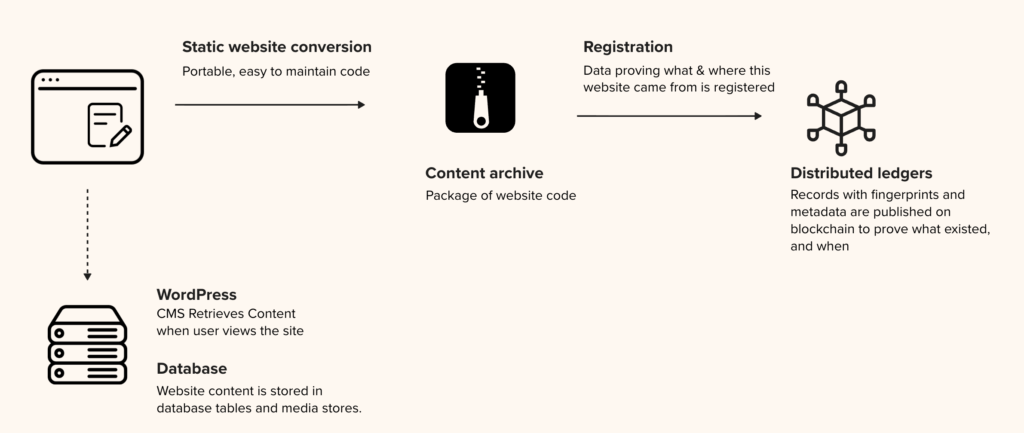
The team chose to convert the websites to static because dynamic websites (such as WordPress and Drupal) need to keep plugins, packages, and code libraries constantly up to date. This renders them vulnerable to failure without active maintenance. To keep these sites up, the owner has to check in regularly and make updates in order to avoid security vulnerabilities and downtime. This turns into labor and costs for the site owner, and is not sustainable long term.
Replicating a Static Site
Facing Life was converted from WordPress into a static website using Wget mirror options. This involves downloading the whole existing website and converting resource references (references to things like images, in the code for the site) so the website can be hosted anywhere, independently of the domain name or subpaths in the URL.
Syria Street was already a static website, so it didn’t need to be converted. The source code was recovered and used to stand up a new static site. After this, hyperlink was used to find any URL pointing to an unreachable resource on each website. This made it possible to identify and then manually fix any conversion missed by Wget mirroring. The generated archive for the website and its changes are tracked in a GitHub repository for each of the Facing Life and Syria Street sites, so there’s a history of modifications and who performed them.
Immutable Records
Once the GitHub repositories were finalized, a zip version of the GitHub repositories for each site (and assets) was dropped into the Starling Integrity Pipeline. This pipeline takes the data, signs it with a Starling Certificate (for proof of who created the archive), and processes and packages it for blockchain registration.
Cryptographic hashes (previously compared to “fingerprints”) were generated from the zipped content. These hashes were recorded on blockchains (a type of distributed ledgers) to establish a verifiable snapshot of the ‘original’ versions.
The projects were registered using Numbers Protocol on Avalanche, Numbers blockchains, and ISCN on LikeCoin. The zip files themselves were published, and therefore retrievable by content address on IPFS. Anyone can inspect the integrity of these archives by taking the txHash from the registration records and searching in the explorer (linked above) for each blockchain. You can see the Resources section at the end of this case study to explore the different registrations.
Store
The content itself also needed to be preserved in many places. No matter where these archives are retrieved from in the future, there must be a way to verify that they are not tampered with during storage. Importantly, no single provider should be able to arbitrarily delete all copies of the archive, as was the concern when ICRC’s IT department terminated the hosting for Syria Street. To make these projects available online, Tauszik published using free options to store and host the public websites.
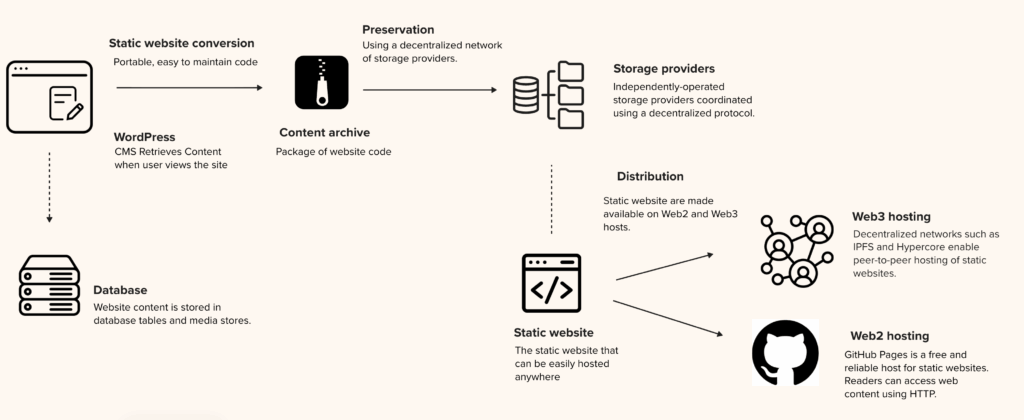
Storage and Site Publishing
GitHub is a web-based platform that uses the open-source Git distributed version control system. This was used to both store, and collaborate on, the sets of code for the static versions of the two websites that were modified and preserved for this project. The team chose to use GitHub’s free service called GitHub Pages that allows publishing of a simple static site. GitHub Pages, however, has a repository limit of 1GB, and has a soft bandwidth limit of 100 GB per month. That means that the amount of media such as images and videos published from your repo is limited, and only so many people can ‘retrieve’ these to view a site per month. Any service offering free website hosting will have similar limits, as data storage and serving is a cost to the provider.
Since the amount of data for some of the media in this site was rather large, Git Large File Storage (LFS) was used to preserve the images. Git LFS allows tracking and publishing of large files, like the images in Tauszik’s site, on GitHub Pages, while storing these files in a separate system from the GitHub repository.
The video files published on Facing Life’s original website were embedded from Vimeo, so video files remained there. Vimeo offers free storage for these large files, which is an added benefit given GitHub Pages’ limitations.
Cold Storage Archives
Filecoin is a network of storage nodes that can archive content, or put it in ‘cold storage’ for a period of time. Users can store multiple copies (or portions of copies) across a variety of nodes, which prevents a single storage provider or IT department from pulling the plug on an archive since redundancy of storage is backed by independently operated storage providers. Filecoin uses a collateral-based cryptographic proving system to ensure that the nodes providing storage do in fact have the data securely stored. If storage providers are found to not have the data they should, they lose not only the rewards they get for providing storage, but also the collateral they’re required to put forth in the initial storage deal. Because of this cryptographic proving system, confidence that the record will be preserved is high, as any storage provider who loses the data before the term specified for this archive deal will lose their financial collateral. This is known as a “proof of space-time” (PoST), emphasizing the importance to users that their content is safe in both location and duration.
To see the storage deals and the identities of the nodes we stored this content on, look at the information on filecoin.tools.
Verify
Filecoin archives are optimized for preservation, but not fast retrieval. In order to serve the websites to readers day-to-day, we need other technologies. Having the website archives available to readers is the first step for verification. Users can download copies of the code from IPFS and inspect the sites for themselves.
Web3 Data Sharing
The websites are available on the public data sharing protocols IPFS and Hypercore, where any node on the network is able to save and serve the content (known as ‘pinning’). These systems feature:
-
- Distributed Hosting - No single entity has to be the exclusive source of files. Many individuals or entities can make the content available for anyone. This eliminates the possibility of intentional take down by one entity.
- Content-addressability - The CID is immutable and not location-based (location example: “https://domaim-name/filename”). If searching by the CID (ex: bafybeifple7zvk4jy2vghfuyace5l6w6zyjopygxveaffbkgd27x536hjy) it’s impossible to get a changed or modified version of the file, since the CID is generated based on all the specific 1s & 0s that make up the original content.
- Portability & Interoperability - The file isn’t locked into one system’s rules and limitations. Within seconds, it can be transferred to another node on the network as long as the systems share the same open protocol. Since the file is content-addressed, users get the exact digital asset requested (not a modified version) no matter where it originates from.
There are many options available for accessing content on these protocols, such as IPFS Gateways and IPFS-compatible web browsers. Options to access Hypercore-published content include the Agregore browser and the hypershell CLI.
Though there isn’t a guarantee for the length of time that the data will be pinned in these systems (which is the same for Web2 systems), it is more likely to be preserved and possible to quickly republish and serve content through any node in the network. These systems are more resistant to loss due to hardware failure, media obsolescence, human error, malicious attacks, natural disasters, or economic collapse since they are verifiable, peer-to-peer systems that are hosted by many parties.
Website Publishing
Distributed Press was used to publish versions of these websites on distributed protocols,. This platform makes it possible to publish static content on Web3 networks called IPFS and Hypercore, pinning copies of a site on their servers to make it available across these networks.
GitHub Pages is a feature offered by GitHub that allows users to host static websites in a traditional Web2 format directly from their GitHub repositories. This was particularly useful for the project as it was already using GitHub for version control and managing the project, as well as adding new links and information onto the page.
Domain Names and DNS Registration
Current popular web browsers remain dependent on location addressing (URLs) for users to access sites. Tauszik’s websites are linked in his portfolio at https://brandontauszik.com/, so one of the most important parts of protecting against link rot is still protecting the link (URL) itself.
When the domains were registered for Syria Street (hosted on a subdomain of Tauszik’s website as syriastreet.brandontauzik.com) and Facing Life (facing.life), the maximum amount of time the domain could be purchased from GoDaddy was 9 years.
In the current implementation, DNS is used to point to Web2 copies on GitHub Pages and Web3 copies on IPFS and Hypercore. The URLs are in the Resources section below. The files served through these URLs can be verified against the archives that are registered on blockchains.
Contents
LearningsArchive
Learnings
The motivation for this project was twofold. One, Tauszik wanted to make sure his work was available online. He wanted to have a low-maintenance website, with low to no (recurring) cost so his web portfolio is available for as long as possible. Secondly, Starling Lab’s goal was to create a website that is preserved, with integrity, for the long term, with data that is resistant to deletion or censorship. This would enable Tauszik to create a version that could be easily recovered, and a record of what the original version was (a manifest about the authenticity of this content), and when it existed. This makes a site, regardless of the platform it exists on, recoverable, in a way that can be proven, for the long term.
Site Availability and Long-Term Preservation
Data availability means being able to deliver the website to the end user at the moment it’s needed, while long-term preservation is concerned with the longevity of the data. In this project, it was easy to conflate one with the other.
For this project, long-term preservation was addressed using systems that support easy replication and high redundancy, namely IPFS, Hypercore, and Filecoin. To address site availability, originally the website was to be hosted from Web3 systems, however, as most people have browsers that do not natively support downloading from Web3 networks, they needed to access the site through centralized gateways.
Today, these gateways aren’t the best solution to be relied on for hosting a site, even in the Web2 ecosystem. They often get overwhelmed and are less reliable than sophisticated and well-managed systems by large institutions. Hosting on Web3 systems is possible, however, it wasn’t practical to host on these systems alone. This led to parallel publishing on the well-supported and free GitHub Pages platform to make the sites available online. For Web3 solutions to succeed, better Web3 infrastructure, such as gateways or applications for interaction with the protocol require further investment. Another option is to build support, in-browser, for these peer-to-peer protocols, so that infrastructure like gateways isn’t a potential point of failure. The ability to access and search data in Web3 systems from applications like web browsers will enable a jump forward in the adoption of Web3 technologies.
No Such Thing as Unlimited Free Storage or Zero Maintenance
The one thing that was underestimated at the outset of this project was the ability to ‘set it and forget it.’ In other words, this project strove to find a way to set up and pay for all the systems for a long period of time, and be secure in knowing that no one would have to make recurring payments, or worry about an account being archived or taken down. In addition, a goal was to eliminate the need to go in and maintain configurations to keep the site online.
The sites’ domain names had to be registered for as long as possible on the Domain Name System (DNS), which limits purchasing the rights to a domain to 10 years. According to ICANN (the organization responsible for managing the global domain name system), this is a limit set by their Advisory Committees for all domain name purchases.
There are several free services, including GitHub, that offer a free tier of static storage. However, there are risks involved with any free hosting service, creating a reliance on them to make these files available indefinitely. Any system that maintains the computing infrastructure necessary to make sites retrievable online is subject to changing their terms (ex: charging for a service, or taking free services down), or to the organization dissolving. There is no guarantee that any organization will be around decades from now, which is why this project preserves data in several systems, packaged as a static site that can be easily replicated.
GitHub Pages allows users to create and manage a free account with up to 1GB of free storage. As the amount of media Tauszik had in video format (including 360 VR video) greatly exceeded the amount, media storage was done outside of GitHub (Vimeo and Git LFS). It is advisable to also back up and archive these kinds of media files, as they make up a significant portion of the website.
Ultimately, publication and preservation can never be completely free of risks of disappearance. No organization, even governments, are guaranteed to be around forever. Looking toward the future, decentralized storage appears the most resilient way to preserve data for the long term. In addition, any type of preservation is going to require some maintenance. Decentralized systems and static sites require minimal maintenance, can self-repair, put data in the hands of many instead of the few, preserve integrity, and are resistant to tampering and deletion.
Static Website Optimizations
Although static websites are generally faster to access because they require no database interaction, modern Web2 sites hosted on WordPress come with a lot of plugins for optimization and distribution that make the delivery fast to end users.
After converting Facing Life and Syria Street to static websites, the site loaded slowly. The issues were identified using the Google Lighthouse tool for measuring page load speeds. To fix this issue, the Sutty team helped Tauszik with optimizations like changing the size of images on the site, adding lazy loading, and doing interlacing to improve the image load speed. After these updates, the site achieved high performance scores meaning this site would be quick to load for many years to come.
Communicating Limitations of Centralized Web Hosting
Though there is a lot of trust built up in current providers, the reality is that there are major problems with the centralized systems that our data and internet relies on today. Many of those not in the tech industry may not understand the complexities of how things are hosted online, or have an awareness that most of what is stored and served online is in the hands of a powerful few. Communicating these risks was a major part of the process in this case study. Some of the examples of the frailty and flows of centralized systems are:
-
- Vendor Lock in - If a vendor wanted, they can charge for free services (or make dramatic price hikes) and even charge for data access, deletion, and recovery. This could be customer services like website hosting, or the data and infrastructure such as AWS services the businesses rely on.
- Take Down or Failure - If a vendor goes under or gets acquired, they may no longer maintain or pay for site hosting.
- SSL Certification Expiry: Although less common with improved tooling and best practices, this has happened recently even for Spotify, Microsoft, and 81% of all companies in a 2-year span.
- Publication Take Down: Due to economic failure or censorship, many notable media publishers have seen their content disappear.. Examples include The Messenger, BuzzFeed News, MTV News, a variety of TV shows, and more.
- Policy Change - If users aren’t signing into a service, a host may discontinue or take down content (example: Gmail and Google Drive)
- Plagiarism & Misattribution - Without content addressed systems and a blockchain registration of a digital portfolio, it’s easy for others to claim ownership of digital media
- AI Plagiarism - People creating AI versions of a creator’s work, or using it work to train AI models and create similar content, can be an issue if there isn’t a standard for digital media provenance.
All in all, though the speed and ease of which users can access data has improved, the systems society has built to do this are less resilient and more centralized. For the moment, this isn’t immediately clear when most of what we want to access online often seems readily available. However, without physical copies in the hands of those who create it, the data we rely on - and the truth it contains - is in a perilous position, unless we start to design systems with preservation in mind.
Contents
LearningsArchive
Archive
Original GitHub Repositories
Initial work was done at link-rot-project/facing.life and link-rot-project/syriastreet.com but due to GitHub’s resource limits for free repositories, it was moved to these other locations. Issues are hosted in these archived repositories for historical purposes. The final repository that the site is published on is linked below.
Git Repository Archives
These archives can be validated against what was registered on a number of blockchains to establish what content existed as of the registration date. Each of these copies were taken from the ‘main’ and ‘nov-16’ branches of the original GitHub repositories for Syria Street and Facing Life. Each of these is a snapshot at a certain time of the repository, registered to prove authenticity
Facing Life Registration Records
Syria Street Registration Records
After the archives were created, the site and GitHub repositories were updated to include links to these archives. Copies of these were also put on IPFS so that this version could be easily ported over to a different domain and hosted as a static site. These zip files of the GitHub remain there so manual inspection can be done (by anyone) to verify what changes were made after archiving.
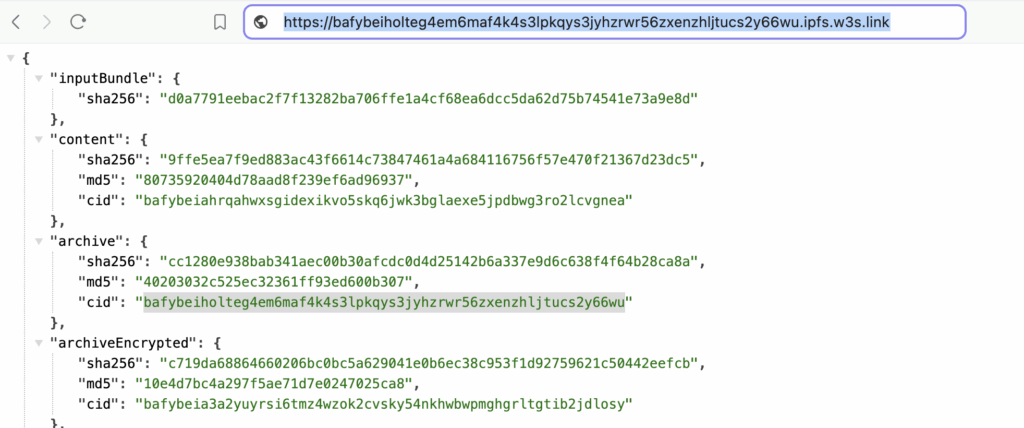
Validating Registration Records
Take a look at the registration records above. In there you should see a field labeled “archive“ with a sub-field of “cid”. This is the Content Identifier (CID) of that particular record that you can download from IPFS. You can fetch that record, using the identifier from IPFS using the URL `https://` + <CID> + `.ipfs.w3s.link/` This will trigger a download of that record, and you know you have the same copy as the one registered on-chain, as content identifiers are immutable. If the content were to change, the CID on IPFS would be different.
From the registration record, you can take the CID from the “archive” under “cid” and fetch it from IPFS.
Unzip the file and zip directories contained within, inspect the contents, and even serve it locally on your machine using something like http-serve for building static sites.
-
- facing-life-main.zip (https://bafybeifwquipmitq3yrubzhe3fmyfhjzpvl4xq3kl4ascnaucuufxk6xii.ipfs.w3s.link/)
- facing-life-nov-16.zip (https://bafybeifnd52fj6a7zy6s4be5gdzwvrfroava6h5tse3plargwfzzewvq64.ipfs.w3s.link/)
- syria-street-main.zip (https://bafybeier37nnnfqwrdyrkih6tqr7gdxxknrdrhjvbcngv67nwub45nvyce.ipfs.w3s.link/)
- syria-street-nov-16.zip (https://bafybeiholteg4em6maf4k4s3lpkqys3jyhzrwr56zxenzhljtucs2y66wu.ipfs.w3s.link)
These archives were created so anyone can inspect the two snapshots of each site (labeled ‘main’ and ‘nov-16’), validate the registrations, and download, serve locally, and look at these versions of the website, and compare the registered repositories and the ‘final’ repository to determine that only permissible edits (links to registrations) have been made since the original.
Copies of the ‘Final Published Versions of GitHub Repos
The ‘Final’ version of the sites are the versions we created after we registered the two snapshots onchain. After we registered these, we modified the site slightly - to link to GitHub repo with records of the registrations.
Syria Street
Facing Life
Website Copies Published in Distributed, Peer-to-Peer Data Sharing Systems
Since copies of this website were put on many different systems, there are several options to access them:
-
-
- Visit the URLs at https://syriastreet.brandontauszik.com/ and https://facing.life/
- Access Web3 systems using a gateway in any web browser at https://<project-name>.ipfs.hypha.coop/ or at https://<project-name>.hyper.hypha.coop/
- Syria Street
- https://syriastreet-brandontauszik-com.ipns.ipfs.hypha.coop/ (IPFS gateway operated by Hypha)
- https://syriastreet-brandontauszik-com.hyper.hypha.coop/ (Hypercore gateway operated by Hypha)
- Facing Life
- https://facing-life.ipns.ipfs.hypha.coop (IPFS gateway operated by Hypha)
- https://facing-life.hyper.hypha.coop/ (Hypercore gateway operated by Hypha)
- Syria Street
-
-
-
- On IPFS in a Chrome browser using the IPFS Companion browser extension or using Brave browser using the address ipns://<project name>
- Syria Street: ipns://syriastreet.brandontauszik.com
- Facing Life: ipns://facing.life/
- On the Hyper network using Agregore Browser at hyper://<project-name>
- Syria Street: hyper://syriastreet.brandontauszik.com
- Facing Life: hyper://facing.life/
- On IPFS in a Chrome browser using the IPFS Companion browser extension or using Brave browser using the address ipns://<project name>
-
Authorship & Acknowledgements
Journalism Fellow: Brandon Tauszik (concept, source material, portfolio selection, project goals).
Starling Lab: Collaboration on architecture and implementation of the Capture → Store → Verify workflow; authorship of technical detail and integrity processes.
Technical Partners: Sutty (static site conversion, optimization), Distributed Press/Hypha (publishing on IPFS/Hypercore), GitHub Pages/Git LFS (Web2 hosting), Numbers Protocol (registrations), Filecoin/IPFS (preservation).
Outcome: A co-authored workflow enabling portable, integrity-preserved static sites that can be served across Web2/Web3 while retaining verifiable provenance.
Also by this author

Basile Simon
CONTACT
Basile Simon
Director, Law Program, Special Projects
Fellow, Stanford EE
Basile is a multi-disciplinary researcher bridging between engineering, law, and journalism in promoting accountability for causing harm to civilians. In addition to policy and advocacy, he has worked as a data-journalist at the BBC, Reuters, and the Times and Sunday Times.
He is the technical co-founder of Airwars, a human rights watchdog, and is now part of its board. He is also a resident at the European Center for Constitutional Rights, a law firm in Berlin, as part of the Forensis / Investigative Commons collective.
Basile heads the Lab’s law program and leads the Ukraine rapid response and the Lab’s special projects. He looked after formulating the initial product and engineering roadmaps, and the technical delivery thereof.
The Starling Lab for Data Integrity brings together individuals with experience in academic research, technological innovation, journalism, history, and law.

Building Trust in the Age of AI – A Starling & HAI Conference at Stanford
Journalism
On October 22, the Starling Lab and Stanford HAI convened a diverse group of over 100 technologists, journalists, legal experts, and archivists at the Cecil H. Green Library for our conference, Trusting Digital Content in the Age of AI.
We want to extend a sincere thank you to everyone who took part – from speakers like Brewster Kahle and Zach Seward to attendees from the AP, BBC, and the Internet Archive. Together, we moved the conversation beyond the “arms race” of deepfake detection and toward “upstream” solutions: cryptography, provenance, and interoperable ecosystems of trust.
Thank you for helping us design a more authentic digital future. We look forward to continuing this vital work with you in 2025.
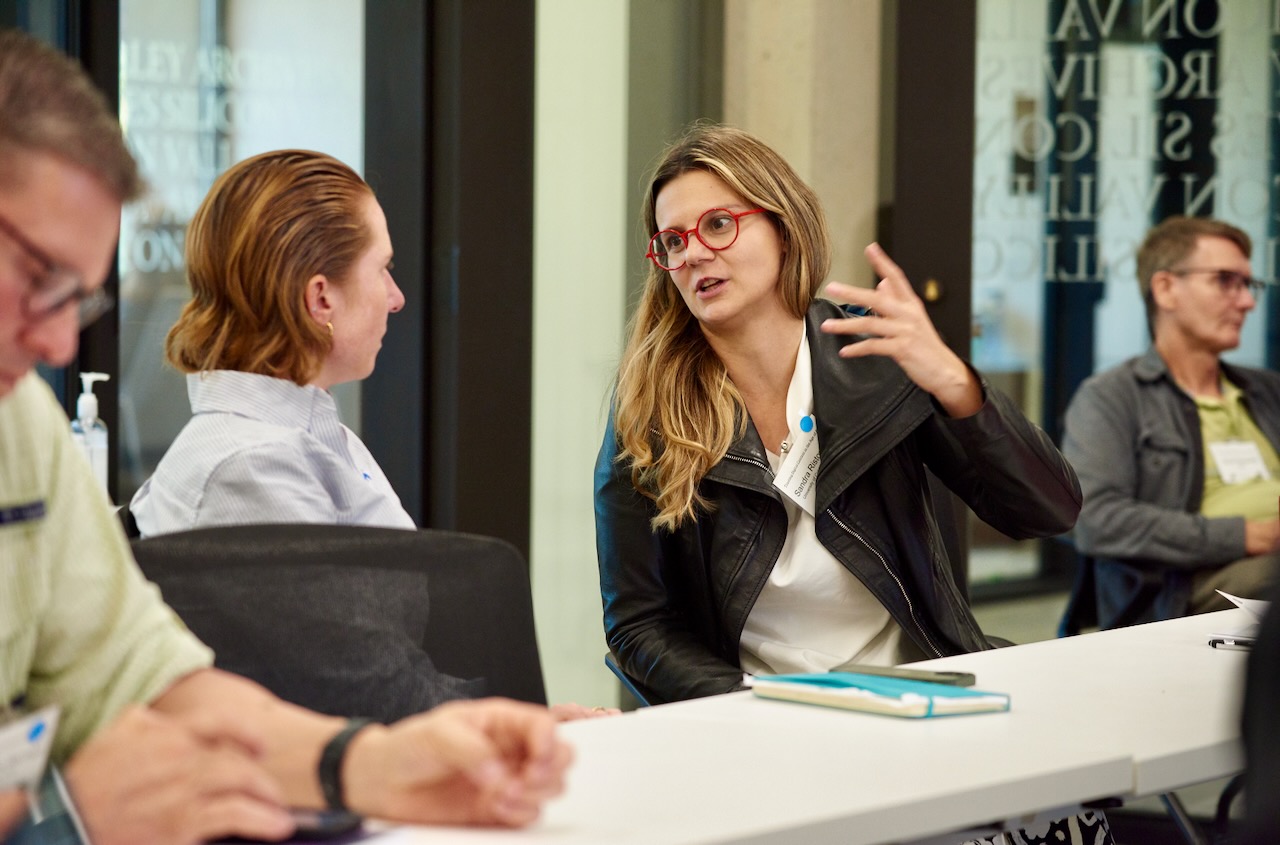


The event convened a diverse group of experts to address the erosion of trust in digital ecosystems. James Landay (Stanford HAI) and Tsachy Weissman (Starling Lab) opened the conference, framing the urgent need to design new systems for authenticity.
In the first general session, Jonathan Dotan moderated a discussion on building interoperable systems of trust. Zach Seward (New York Times) addressed how newsrooms are adapting to AI, while Riana Pfefferkorn (Stanford Cyber Policy Center) explored the legal challenges of deepfakes and the “liar’s dividend.” Brewster Kahle (Internet Archive) spoke on the critical mission of preserving digital history amidst technical threats.
A second panel, led by Vanessa Parli, reviewed the year in Generative AI. Michael Bernstein (Stanford) discussed the logic of social media platforms, Oren Etzioni (TrueMedia.org) presented on deepfake detection at scale, and Aimee Rinehart (Associated Press) shared insights on AI procurement and combating misinformation in journalism.
Later sessions focused on solutions, with Dan Boneh (Stanford) demonstrating cryptographic proofs for content authenticity, joined by Jeff Hancock and Margaret Hagan on the human and legal aspects of trust. Finally, Ann Grimes, Basile Simon, and Adam Rose led discipline-specific roundtables on tools for journalism, law, and archiving.


Secure Enclave Signing
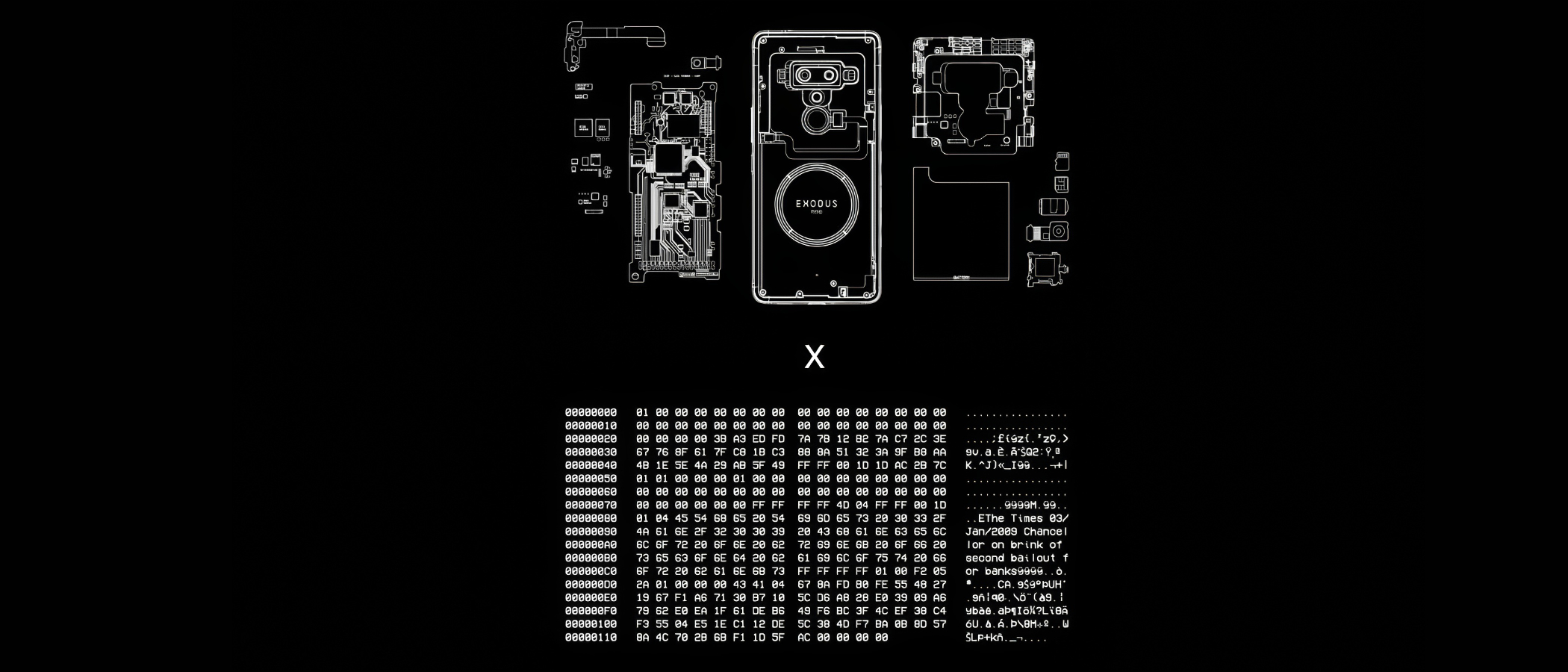
Journalism

This prototype establishes a hardware-based root of trust for digital media by cryptographically sealing assets inside a device’s protected silicon environment. It shifts the security boundary from vulnerable software to dedicated cryptographic processors, ensuring that signing keys remain inaccessible to external threats and that every asset is tied to an immutable hardware identity.
By anchoring provenance at the absolute point of capture, it creates a foundational “proof of origin” that is resilient against both digital manipulation and systemic distrust.
YEAR
2022
PARTNERS
HTC
Numbers and the Numbers Protocol
LINKS
– HTX Exodus 1S Phone
– The Starling Framework
The Problem
The ideal environment to manage digital signing is a cryptographic processor within the capture device, where the keys are never revealed and the system will only sign data within a predefined pathway. This ensures all authenticated data carrying a signature by those keys are unambiguously originating from the capture device. Unfortunately, hardware secure enclaves and similar technology, are not widely included in professional capture devices, or implemented with sufficient firmware that supports these digital signing use cases.
JOURNALISM
Anchors in hardware rather than software support shielding reporters from deepfakes accusations, and gives them a digital “negative” as an origin record of their work.
HISTORY
By binding historical records to the unique physical identity of the capture device, it creates a resilient, verifiable archive that ensures the “first draft of history” cannot be silently altered by future actors.
LAW
Hardware-level signing establishes an airtight digital chain of custody and ensures cryptographic keys are physically isolated and never exposed, aiming to meet the most rigorous standards for legal admissibility.
The Solution
Starling Lab’s prototype utilizes Secure Enclaves (isolated cryptographic processors) to generate and store signing keys where they can never be revealed. This implementation creates a tethered workflow, pairing a digital camera with a secure-element-equipped device (such as the HTC Exodus 1S).
As media is captured, the system generates a cryptographic hash that is signed within the hardware’s protected environment, creating a tamper-evident record from the first millisecond of the asset’s existence.
This prototype serves as a technical blueprint for hardware vendors, advocating for a decentralized framework where privacy-respecting key management and data authentication are baked into the physical design of professional tools.


Four Corners Wordpress Plugin
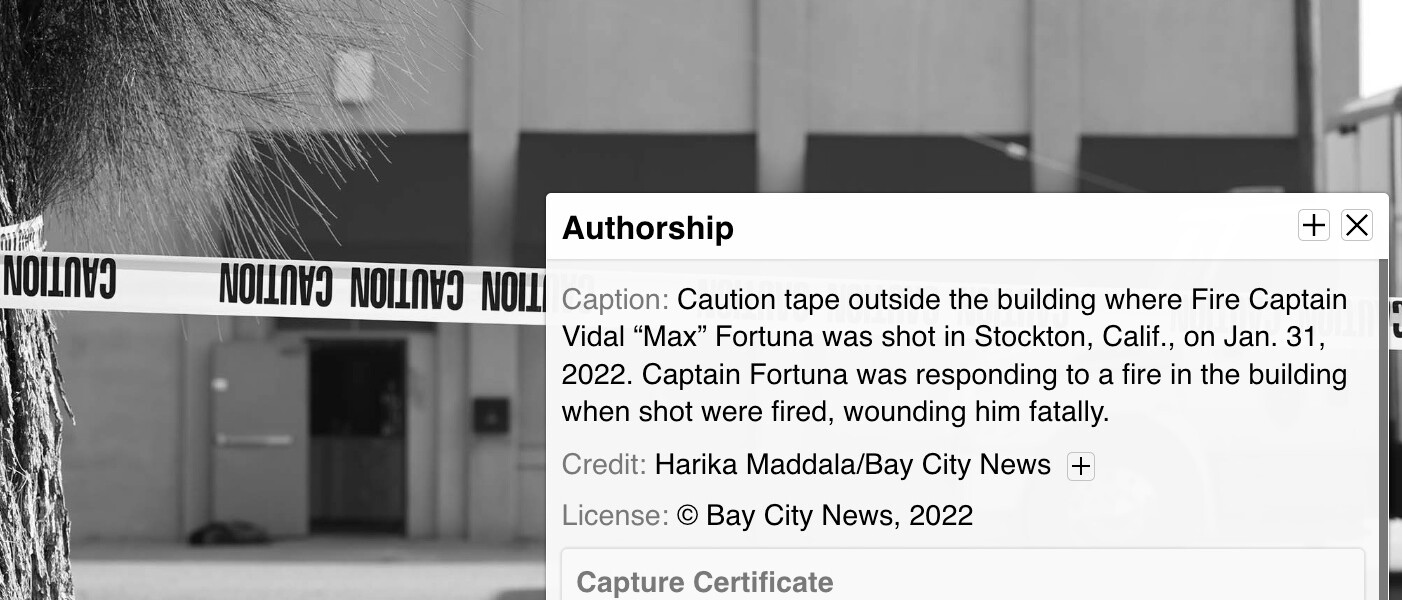
Journalism

An embeddable display for photographs to show contextual and provenance information, such as photographer information, related images, and proof of existence on distributed ledgers.
YEAR
2022
PARTNERS
– Fred Ritchin
– The Four Corners Project
The Problem
Online platforms routinely strip metadata from images to protect user privacy – a necessary safeguard on the Web. However, this decontextualizes professional photojournalism, leaving viewers unable to verify a photo’s origin, time, or location. This creates a critical dilemma for photographers. They need a secure method to re-associate their work with this essential data, but require absolute control to do so.
They must be able to present this enriched, verifiable context only when they deem it safe, on platforms they trust – like their own website or a specific publication – to restore the full story behind the shot.
CASE STUDIES
– Setting the Record Straight in Brazil’s Burning Wetlands (with Inside Climate News)
– Documenting Stockton’s Homelessness (with Bay City News)
The Solution
As often with Starling’s prototypes, the process begins at the moment of capture, where technical metadata like time and location are cryptographically signed, creating a tamper-evident record of rich, contextualizing metadata. This authenticated foundation still allows a photographer to later add richer contextual information – such as their byline, a narrative description, or related images.
Based on the Four Corners Project research and user interface, Starling Lab and Four Corners co-developed a WordPress plugin to bring this UI to the biggest blogging platform on the Web. This tool allows publishers to easily embed photos with an interactive layer, enabling viewers to explore the rich, attributable context and verify the circumstances of the photo’s origin.
As part of this work, Starling worked with the Four Corners team to develop a C2PA-compliant metadata schema for bundling rich contextual metadata in C2PA manifests. This schema contained all the metadata contained in each of the Four Corners toggles. This data is then included in a C2PA manifest, and parsed by the WordPress plugin, for presenting contextual and provenance information on each article.
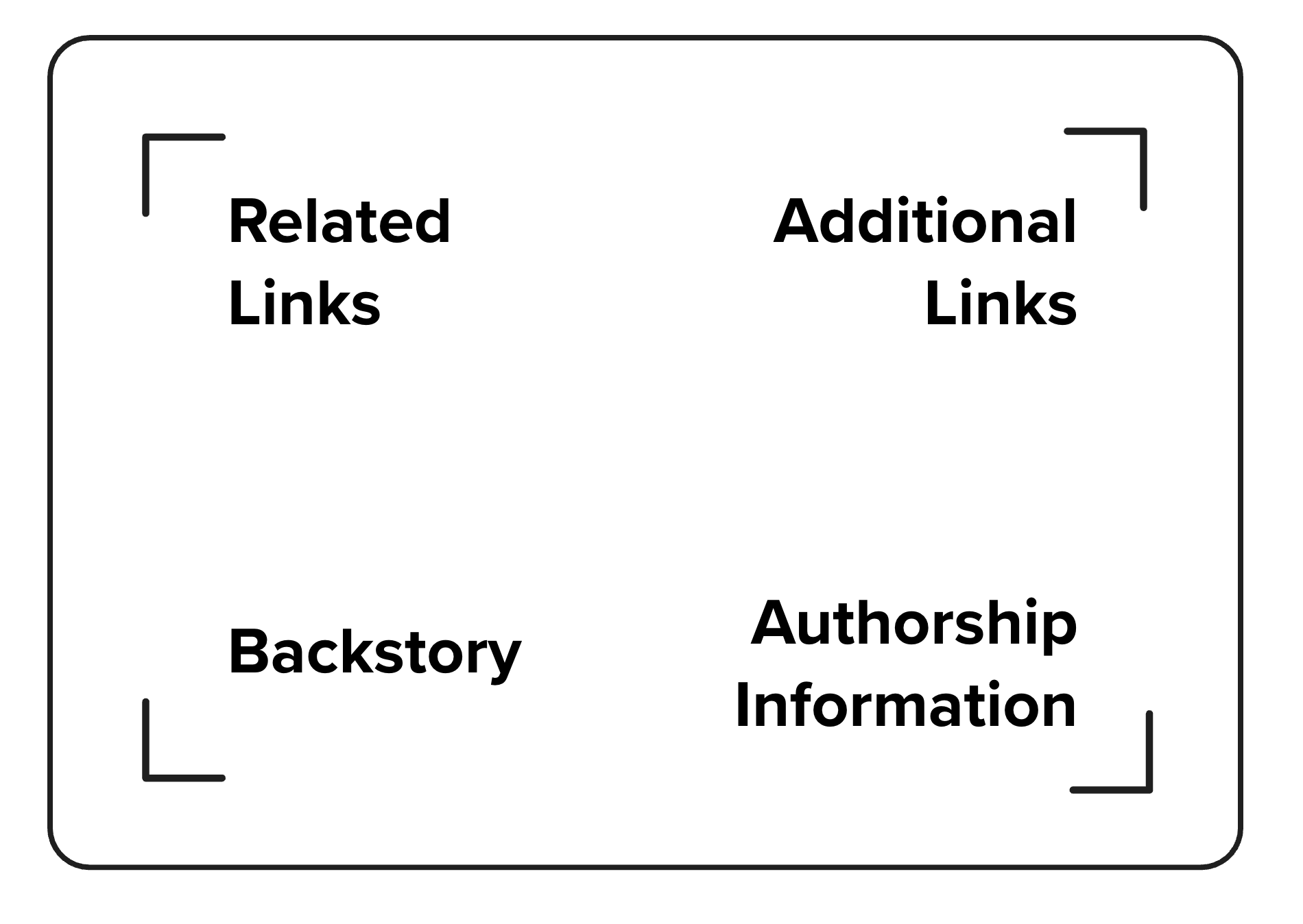
Overlaid on the photograph in each of the four corners are floating carets which, once clicked or hovered over, reveal additional data about the photograph.

Distributed Storage

Journalism
A decentralized infrastructure designed to ensure the long-term persistence and auditability of digital records by stripping centralized platforms of their outsized control over information.
Moving beyond fragile cloud silos, it cryptographically seals media and metadata across independent, multi-jurisdictional networks .
This framework shifts the preservation paradigm from blind trust in a single provider to a “proof of existence” model, where automated audits continuously verify that data remains untampered, replicated, and accessible .
YEAR
2021-25
PARTNERS
Filecoin
IPFS
Storacha
USC Libraries
The Problem
Traditional storage models rely on centralized cloud providers and social media platforms that exercise absolute authority over the availability and integrity of digital content. This creates a single point of failure: critical historical records can be silently modified, deleted due to shifting terms of service, or lost in jurisdictional disputes.
Standard databases also lack the transparency required for “chain-of-custody” documentation, making it difficult for archivists to prove that a file has not been altered since its initial preservation .
LINKS
– Case Study: Preserving 70 Years of Testimony with the USC Shoah Foundation
– Preserving Armenian Cultural Heritage on the Decentralized Web
– “Mom, I See War”, a collection of drawings from Ukrainian children, preserved on decentralised storage
The Solution
Starling Lab leads the world’s first academic center dedicated to using decentralized tools to advance human rights, backed by a multi-million dollar commitment from Protocol Labs and the Filecoin Foundation. We have moved beyond theoretical prototypes to large-scale implementations that safeguard humanity’s most sensitive digital records.
Our collaboration with the USC Shoah Foundation permanently preserves an archive of 55,000 video testimonies from genocide survivors. In tandem with the USC Digital Repository, a service of the USC Libraries, we run a 22-petabyte Filecoin node at USC – just one part of the Libraries’ deep expertise in preservation and archiving.
By housing this node within a leading research university, we combine the innovation of Web3 protocols with the rigorous preservation standards developed over decades by archivists and librarians.