

News & Media
Archive
Latest coverage from the Starling Lab.

“This Isn’t Our First Rodeo”: A Legal Perspective on Deepfakes
Starling Lab dispatch from Riana Pfefferkorn’s Stanford talk, arguing that the threat of deepfake evidence is overstated and that the Federal Rules of Evidence already contain the necessary tools to a


Data Integrity in the AI Era: Key 2026 Legislation to Watch
Navigate the complex landscape of AI transparency with our guide to upcoming synthetic media laws. Learn how the EU, US, and China are regulating deepfakes and content provenance.


Training British Barristers in Interrogating Authenticated Digital Evidence
A mock trial at Inner Temple tests new standards for authenticating open-source material – and reveals what happens when cryptographic metadata meets centuries-old legal tradition.
Legal Experts Are Racing to Keep International Courts Ahead of AI
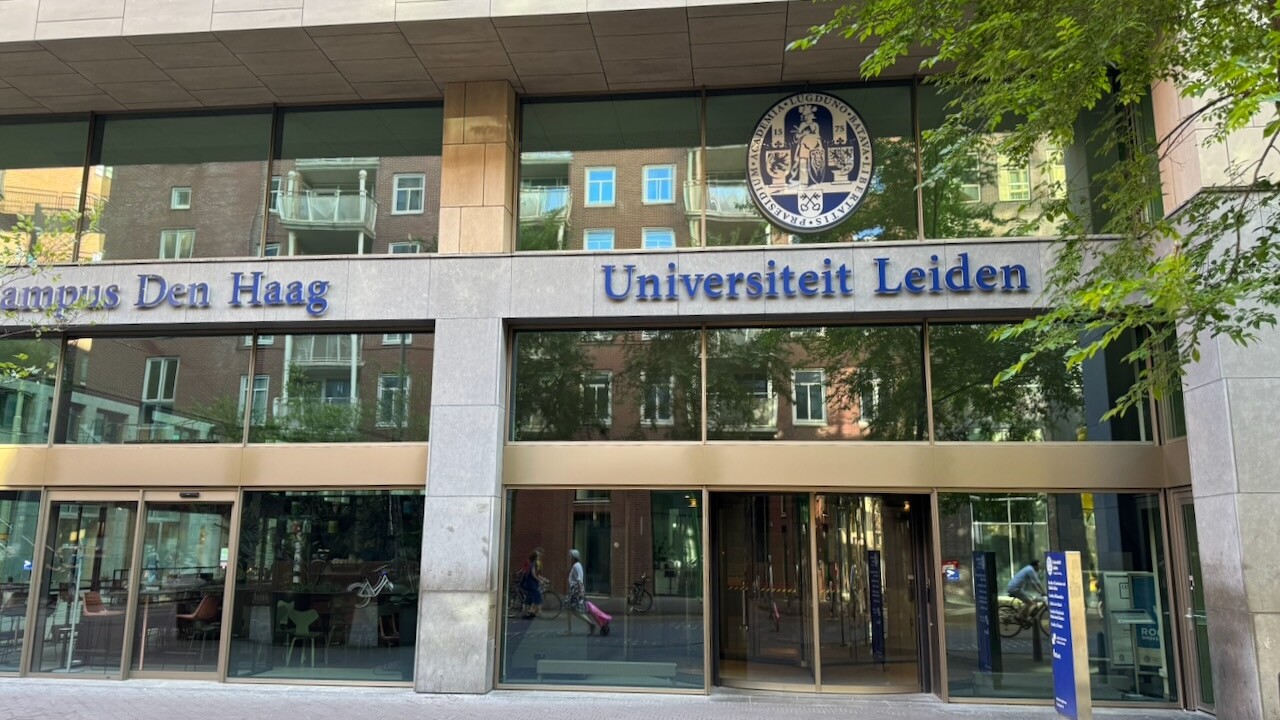
With US leadership waning and AI technology advancing rapidly, international legal scholars gather at Leiden University to draft urgent guidance for judges confronting synthetic evidence.
Submission to the UN Special Rapporteur on Human Rights Defenders from our Brazil Coverage
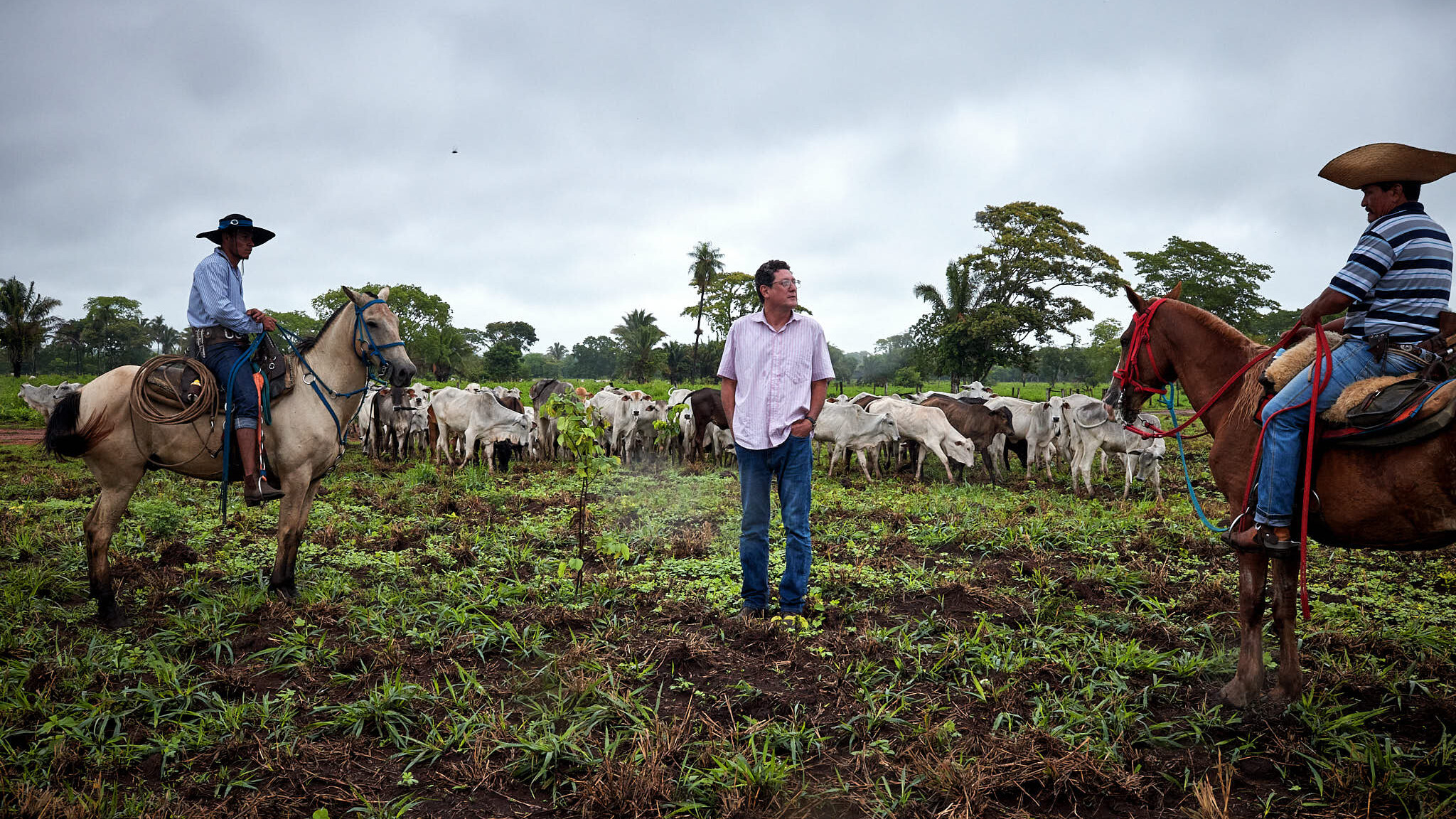
Our contribution to the UN Special Rapporteur's report to the Human Rights Council
Building Trust in the Age of AI – A Starling & HAI Conference at Stanford
From cryptographic proofs to newsroom policy—key takeaways and speaker highlights from our recent event on campus with Stanford HAI
Event Roundup: Evidence & International Justice In a Generative AI World
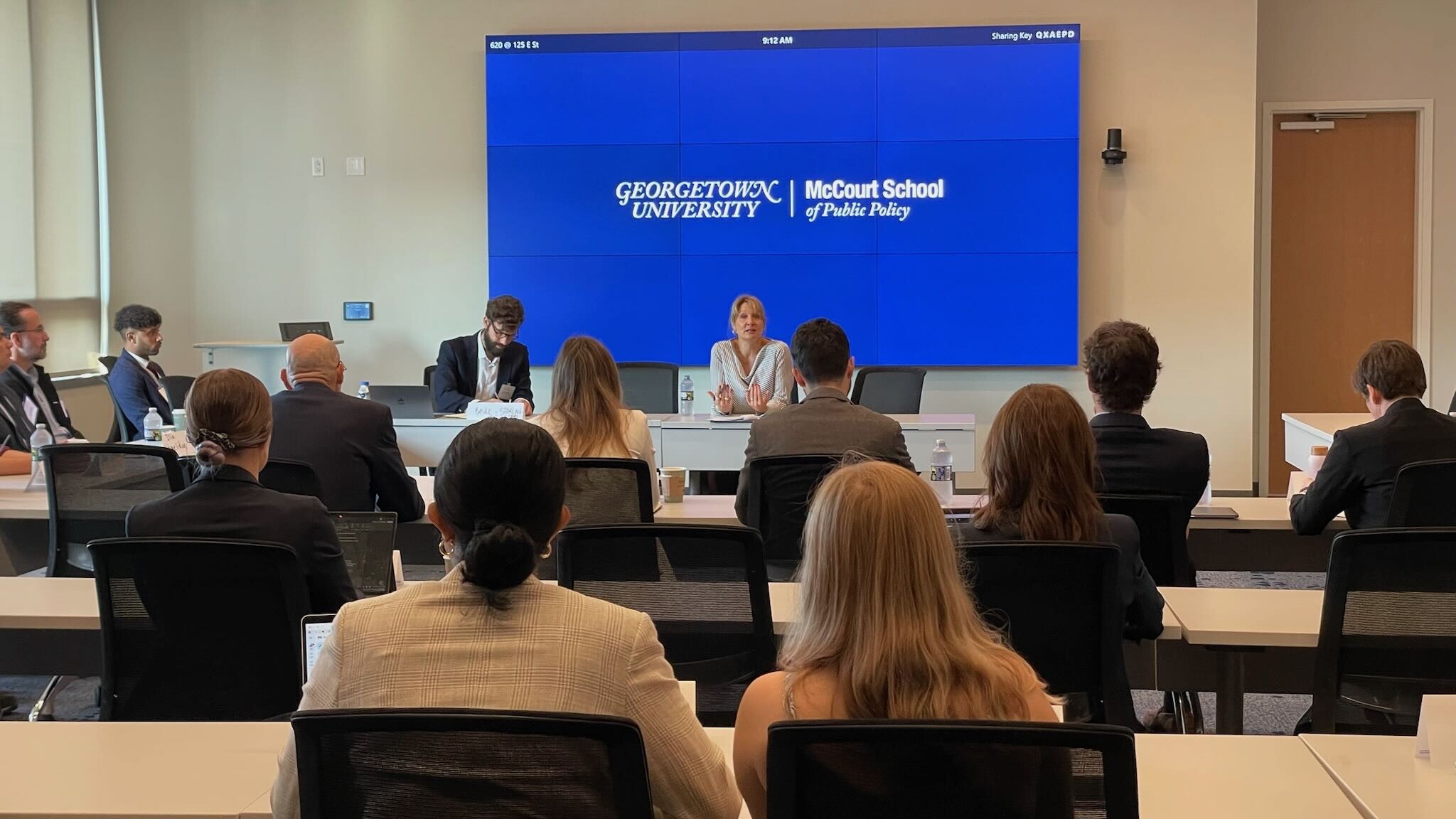
Takeaways from our international law and technology experts roundtable at Georgetown, with Hala Systems and the U.S. State Department’s Office for Global Criminal Justice.
Event roundup: “Shall We Press Play?” – Navigating AI and Evidence in the Digital Age
Insights and Discussions on Ensuring Authenticity in Digital Evidence
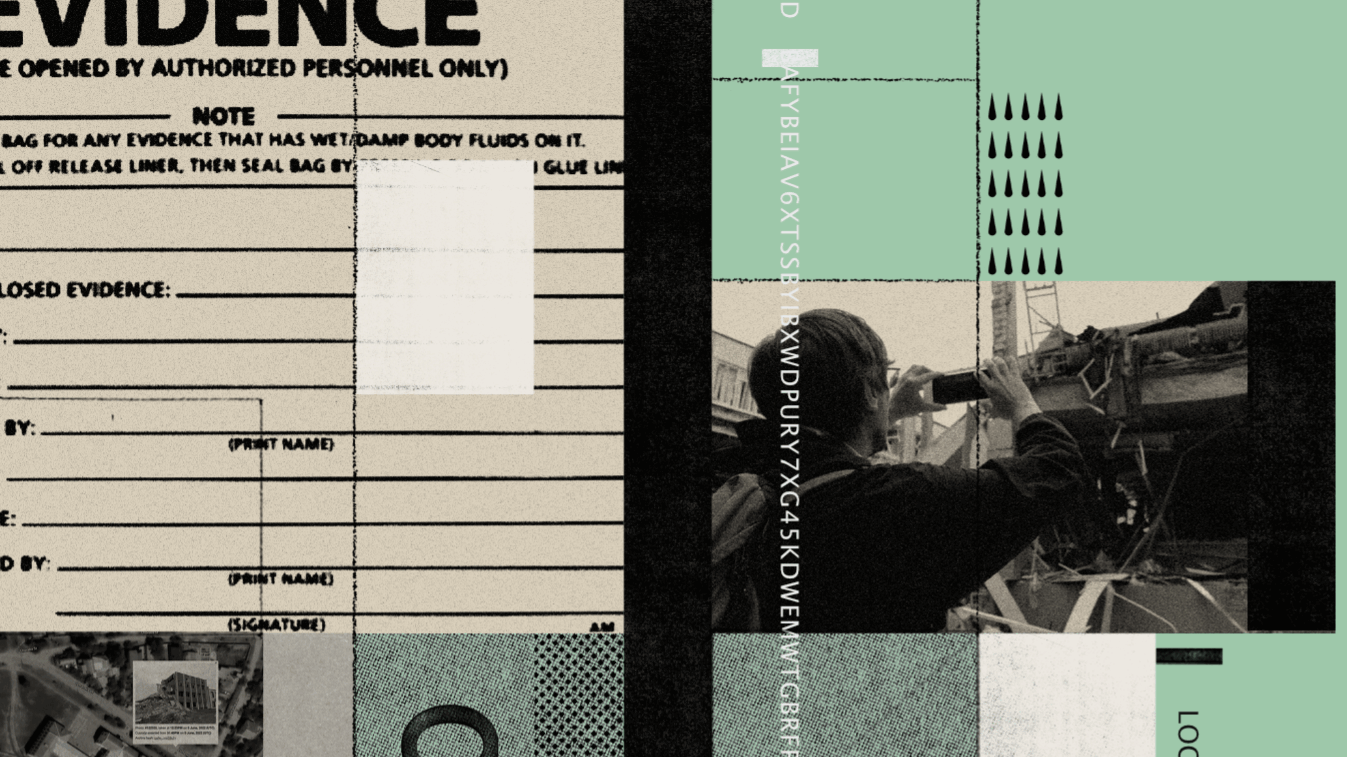
Navigating AI’s Challenges in Courtrooms: New Insights from Starling Lab & TRUE Project in Opinio Juris
Addressing the risks and solutions for authenticating open-source imagery in the emerging age of synthetic media.
Proposing An ‘Index For Accountability’ To UN Human Rights Chief
Starling Lab and Hala Systems offer to the UN OHCHR a decentralized approach to sharing evidence, the “Index for Accountability.”
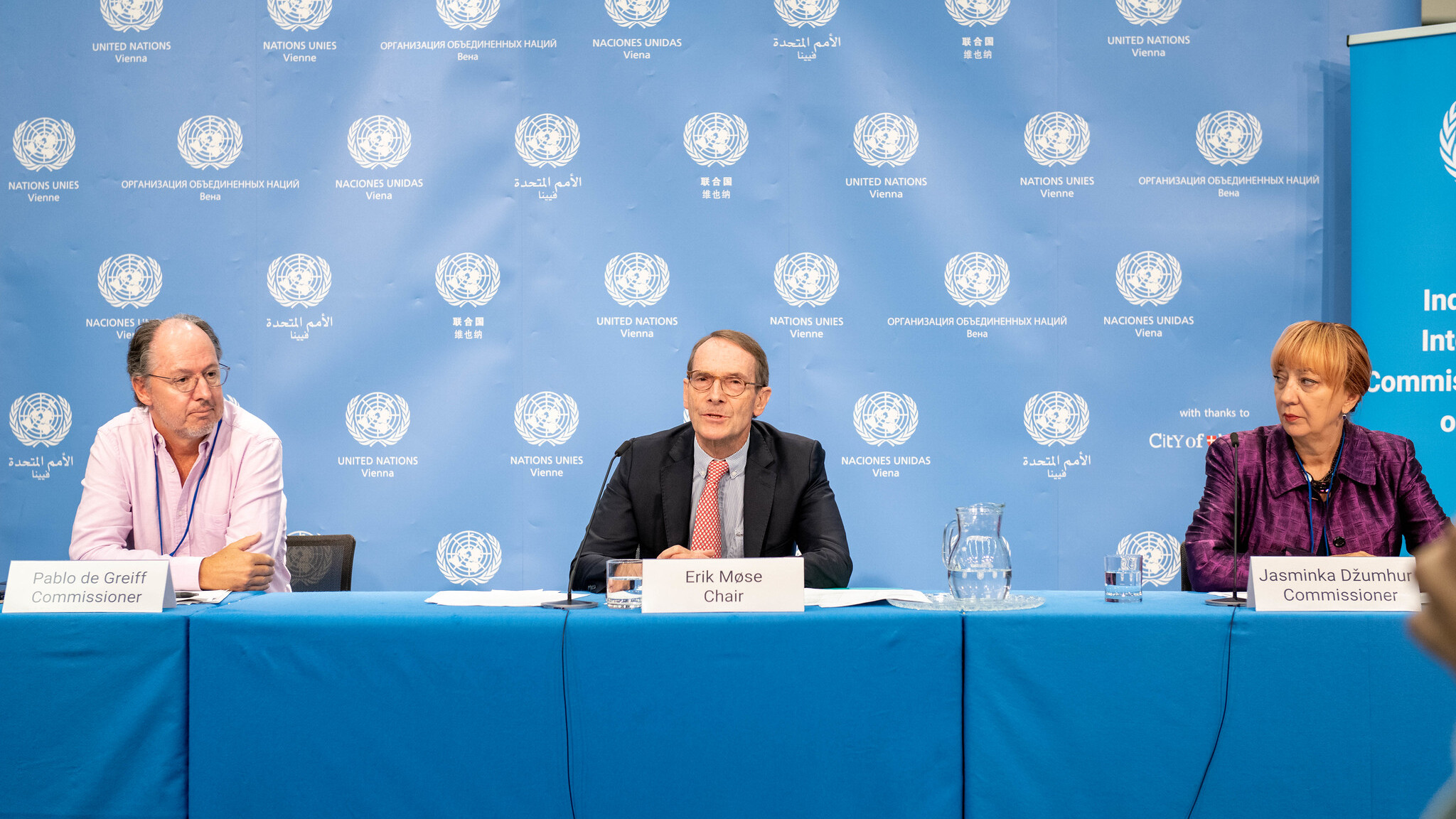
Starling’s Call to Action for the UN Commission of Inquiry on Ukraine
Our joint submission to the United Nations Commission of Inquiry on Ukraine includes evidence of displacement of Ukrainian children as well as an original nuclear monitoring dataset.

“New Frontiers in Evidence” OSINT event at the Inner Temple, London
The "New Frontiers in Evidence" conference at the Inner Temple brought together leading experts to discuss the challenges and advancements in the use of user-generated evidence in legal contexts. Highlights included keynote insights from Eliot Higgins of Bellingcat and sessions on digital evidence authentication, ethical considerations, and innovative investigative methodologies.
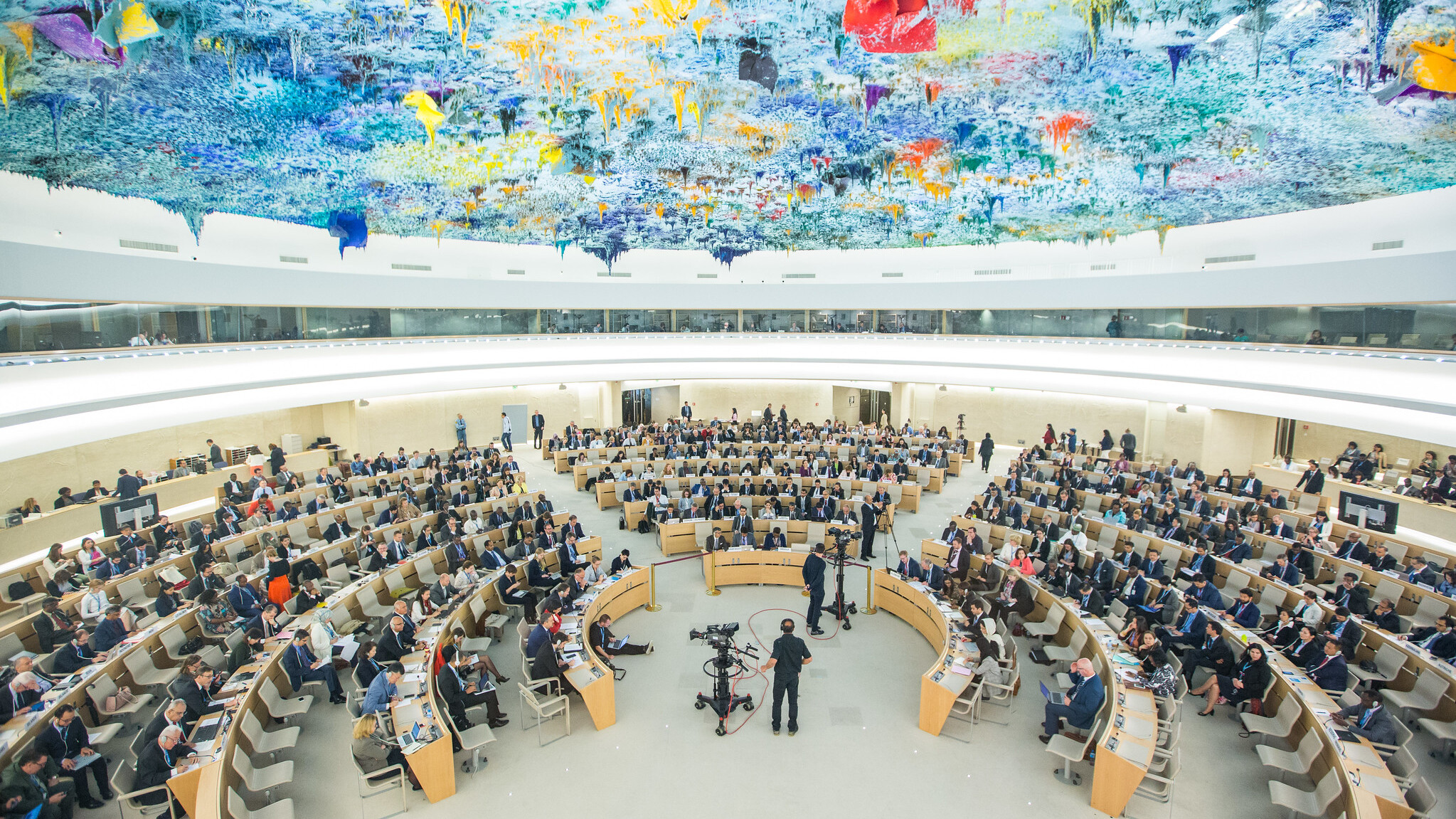
Starling-Hala joint legal methodology recognised by UN Human Rights Council
A new report, presented to the United Nations Human Rights Council, cites work of the Starling Lab for Data Integrity and Hala Systems as an emerging good practice to protect the universal right to education.
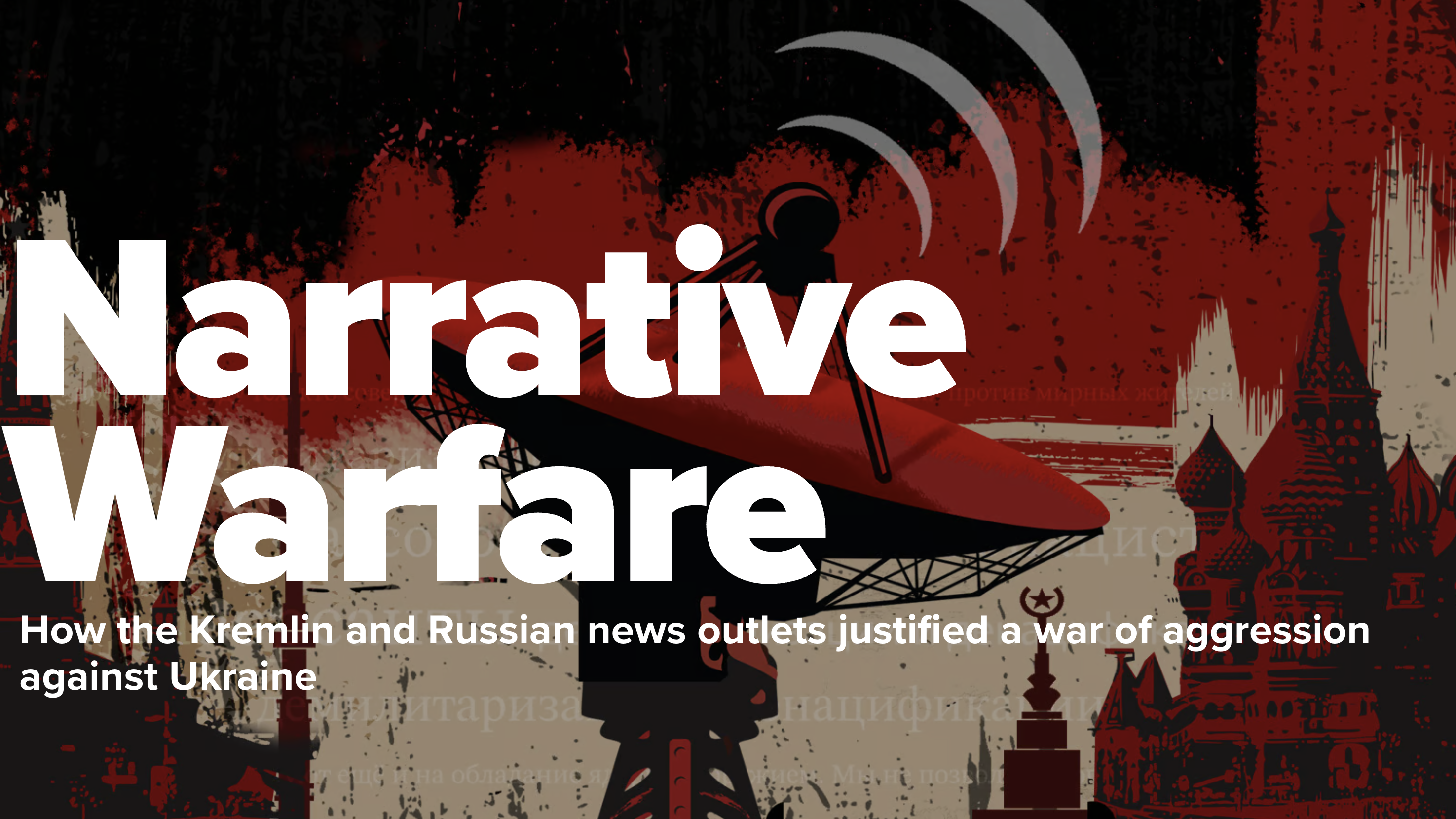
Archiving 10,000 Web Pages of Weaponized Narratives in support of the DFRLab
Ahead of a DFRLab report studying pro-Kremlin news articles, we preserved this evidence base for later review and potential accountability. This archiving run tested the scale at which we could forensically preserve web pages.
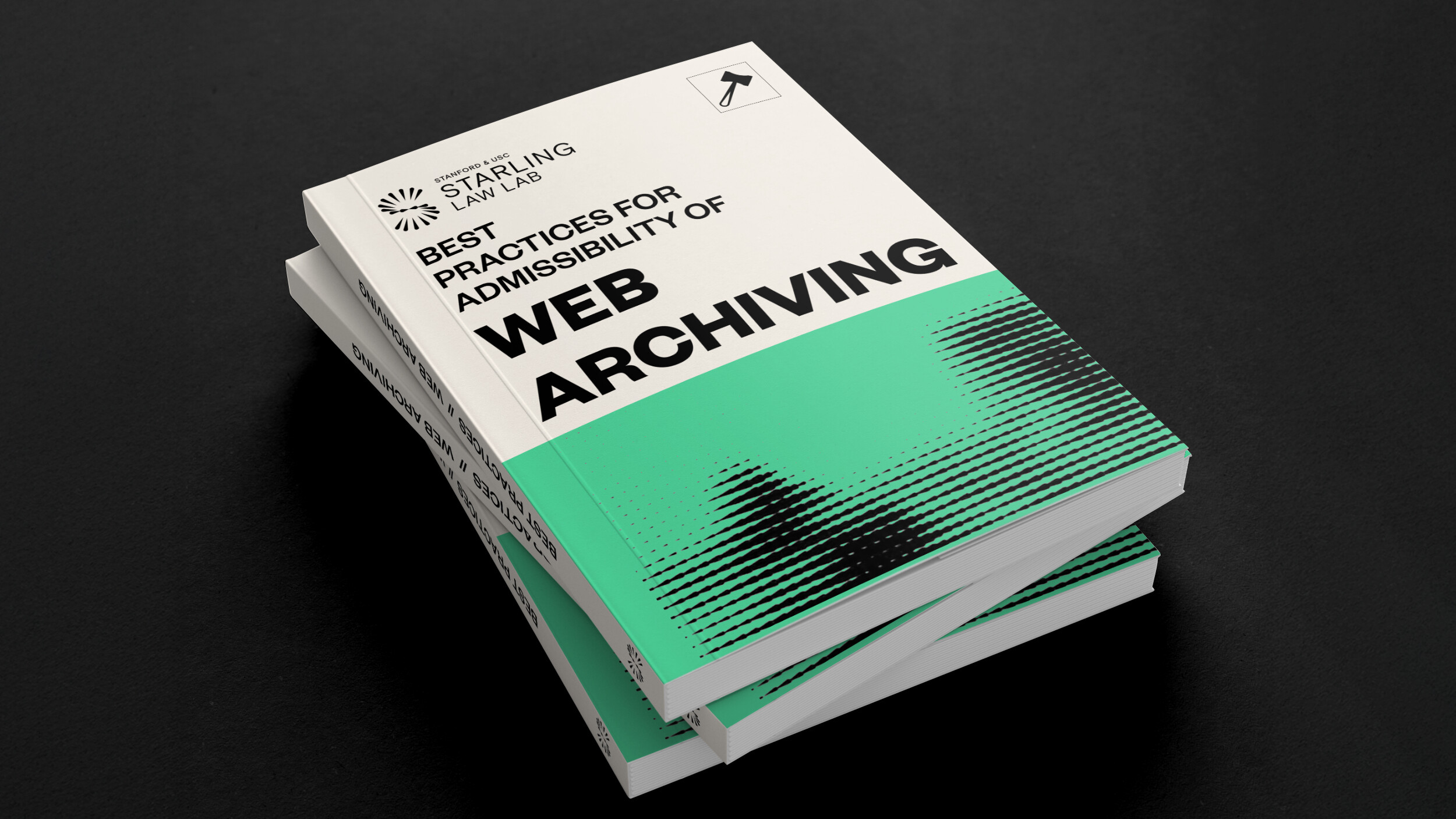
Publication of our whitepaper on Best Practices for Admissibility of Web Archives
Screenshots aren't enough. Secure court-ready web evidence with verifiable metadata, hashing, and an unbreakable chain of custody.

Supervisory Testimony as a Novel Tool for Accountability
The testimony of a primary observer’s supervisor could help bridge the evidentiary gap. Supervisory testimony would consolidate the institutional knowledge of the chain of custody of specific pieces of digital evidence in a single person.