Secure Enclave Signing
2021

This prototype establishes a hardware-based root of trust for digital media by cryptographically sealing assets inside a device’s protected silicon environment. It shifts the security boundary from vulnerable software to dedicated cryptographic processors, ensuring that signing keys remain inaccessible to external threats and that every asset is tied to an immutable hardware identity.
By anchoring provenance at the absolute point of capture, it creates a foundational “proof of origin” that is resilient against both digital manipulation and systemic distrust.
YEAR
2022
PARTNERS
HTC
Numbers and the Numbers Protocol
LINKS
– HTX Exodus 1S Phone
– The Starling Framework
The Problem
The ideal environment to manage digital signing is a cryptographic processor within the capture device, where the keys are never revealed and the system will only sign data within a predefined pathway. This ensures all authenticated data carrying a signature by those keys are unambiguously originating from the capture device. Unfortunately, hardware secure enclaves and similar technology, are not widely included in professional capture devices, or implemented with sufficient firmware that supports these digital signing use cases.
JOURNALISM
Anchors in hardware rather than software support shielding reporters from deepfakes accusations, and gives them a digital “negative” as an origin record of their work.
HISTORY
By binding historical records to the unique physical identity of the capture device, it creates a resilient, verifiable archive that ensures the “first draft of history” cannot be silently altered by future actors.
LAW
Hardware-level signing establishes an airtight digital chain of custody and ensures cryptographic keys are physically isolated and never exposed, aiming to meet the most rigorous standards for legal admissibility.
The Solution
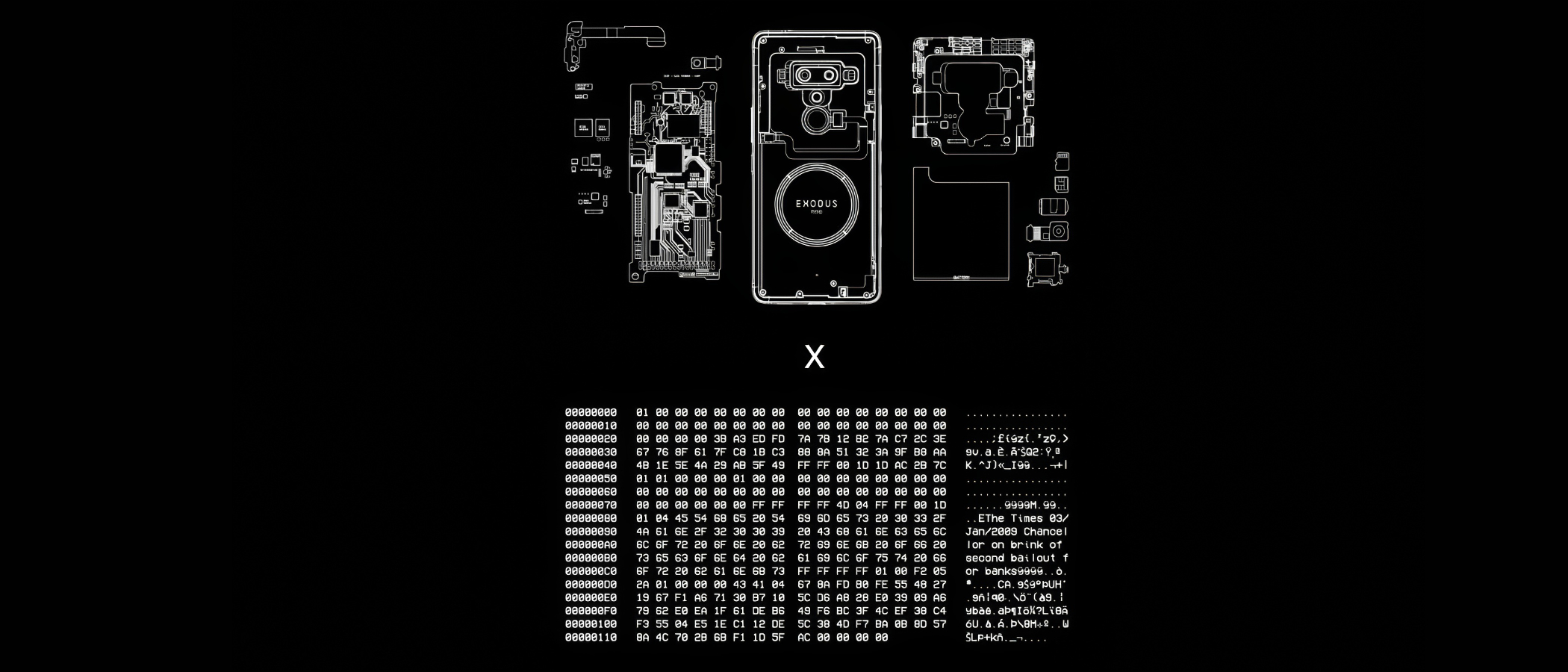
Starling Lab’s prototype utilizes Secure Enclaves (isolated cryptographic processors) to generate and store signing keys where they can never be revealed. This implementation creates a tethered workflow, pairing a digital camera with a secure-element-equipped device (such as the HTC Exodus 1S).
As media is captured, the system generates a cryptographic hash that is signed within the hardware’s protected environment, creating a tamper-evident record from the first millisecond of the asset’s existence.
This prototype serves as a technical blueprint for hardware vendors, advocating for a decentralized framework where privacy-respecting key management and data authentication are baked into the physical design of professional tools.


Distributed Storage

2021
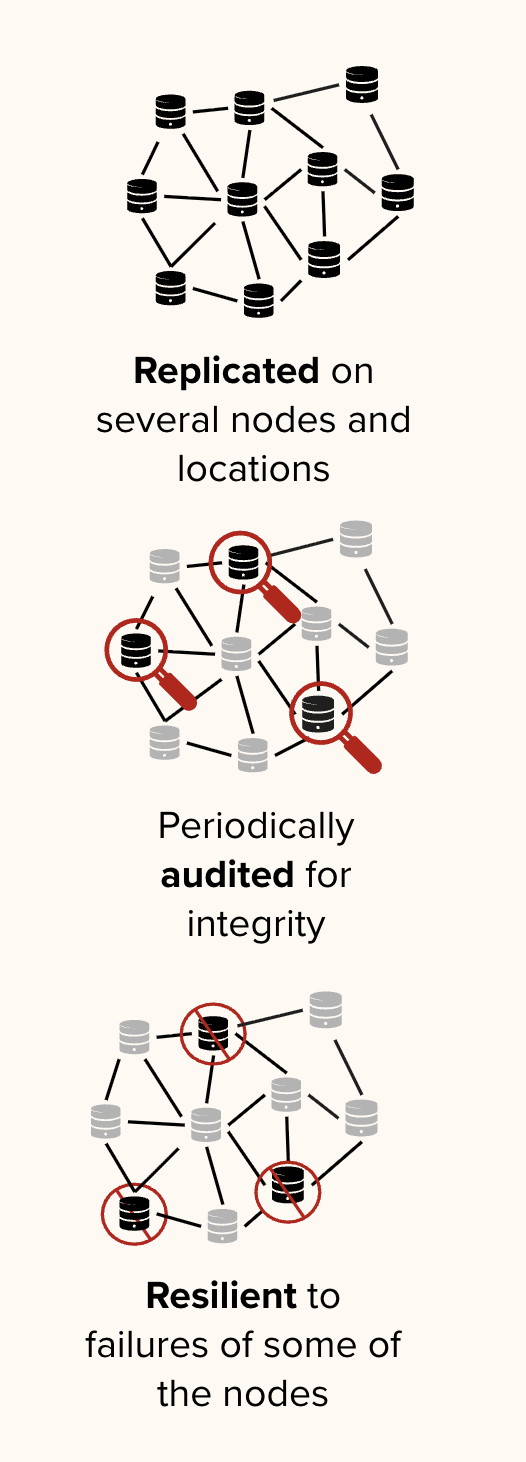
A decentralized infrastructure designed to ensure the long-term persistence and auditability of digital records by stripping centralized platforms of their outsized control over information.
Moving beyond fragile cloud silos, it cryptographically seals media and metadata across independent, multi-jurisdictional networks .
This framework shifts the preservation paradigm from blind trust in a single provider to a “proof of existence” model, where automated audits continuously verify that data remains untampered, replicated, and accessible .
YEAR
2021-25
PARTNERS
Filecoin
IPFS
Storacha
USC Libraries
The Problem
Traditional storage models rely on centralized cloud providers and social media platforms that exercise absolute authority over the availability and integrity of digital content. This creates a single point of failure: critical historical records can be silently modified, deleted due to shifting terms of service, or lost in jurisdictional disputes.
Standard databases also lack the transparency required for “chain-of-custody” documentation, making it difficult for archivists to prove that a file has not been altered since its initial preservation .
LINKS
– Case Study: Preserving 70 Years of Testimony with the USC Shoah Foundation
– Preserving Armenian Cultural Heritage on the Decentralized Web
– “Mom, I See War”, a collection of drawings from Ukrainian children, preserved on decentralised storage
The Solution
Starling Lab leads the world’s first academic center dedicated to using decentralized tools to advance human rights, backed by a multi-million dollar commitment from Protocol Labs and the Filecoin Foundation. We have moved beyond theoretical prototypes to large-scale implementations that safeguard humanity’s most sensitive digital records.
Our collaboration with the USC Shoah Foundation permanently preserves an archive of 55,000 video testimonies from genocide survivors. In tandem with the USC Digital Repository, a service of the USC Libraries, we run a 22-petabyte Filecoin node at USC – just one part of the Libraries’ deep expertise in preservation and archiving.
By housing this node within a leading research university, we combine the innovation of Web3 protocols with the rigorous preservation standards developed over decades by archivists and librarians.