

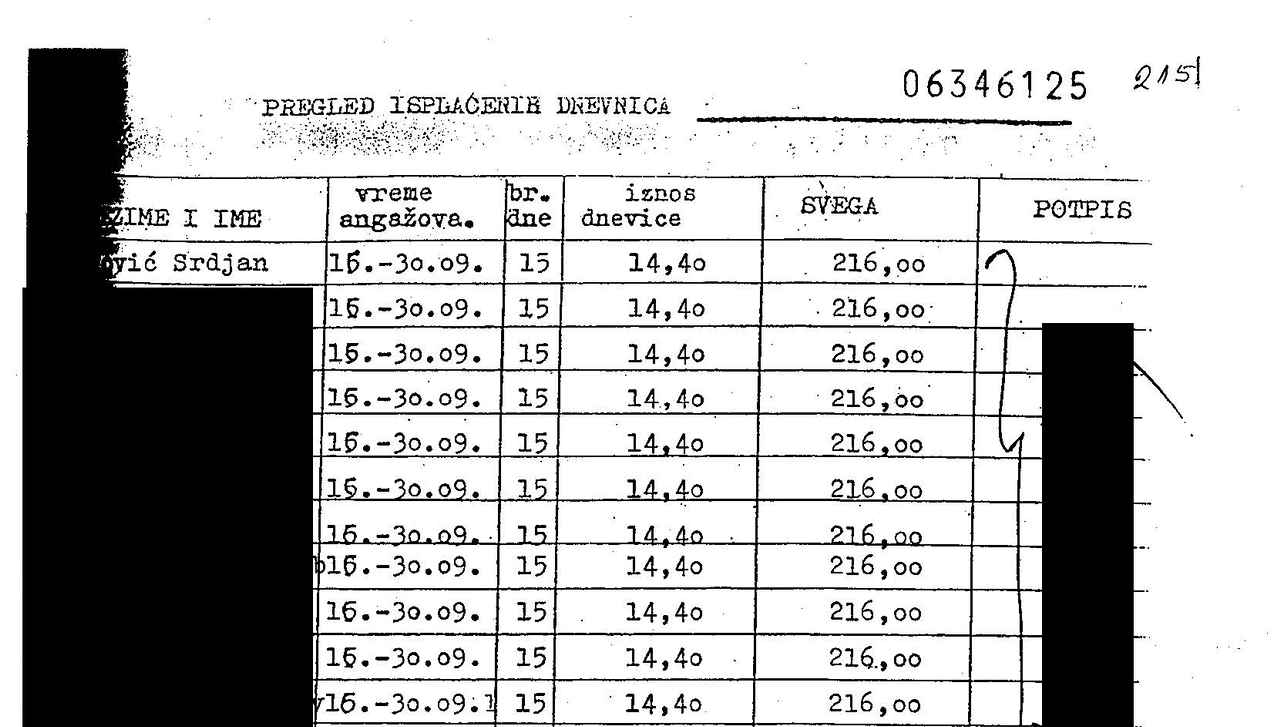
Document Redaction

Establishing a cryptographic seal of transparency for sensitive digital records, moving beyond traditional “black-box” redaction.
Zero-Knowledge Proofs (ZKP) allow investigators to obscure personally identifiable information (PII) while providing a mathematical guarantee that no other part of the document has been altered.
This concept shifts the trust model from requiring blind faith in a publisher’s edits to providing affirmative proof of a document’s integrity, ensuring that critical primary sources remain both ethically protected and legally robust
YEAR
2022
PARTNERS
Stanford Applied Cryptography Group
LINKS
– Case Study: The DJ and the War Crimes
– Presentation from Trisha Datta and Dan Boneh
The Problem
Accountability investigations often rely on digitized primary sources – such as the UN payroll records unearthed in our Bosnia war crimes probe – that contain sensitive PII of individuals not central to the investigation. While redacting this information is a journalistic and ethical necessity, it creates a “trust gap”. In an era of widespread denialism and “cheapfakes,” any manual modification to a source document can be weaponized by bad actors to claim the entire record is a forgery, undermining the evidentiary weight of critical testimonies.
The Solution
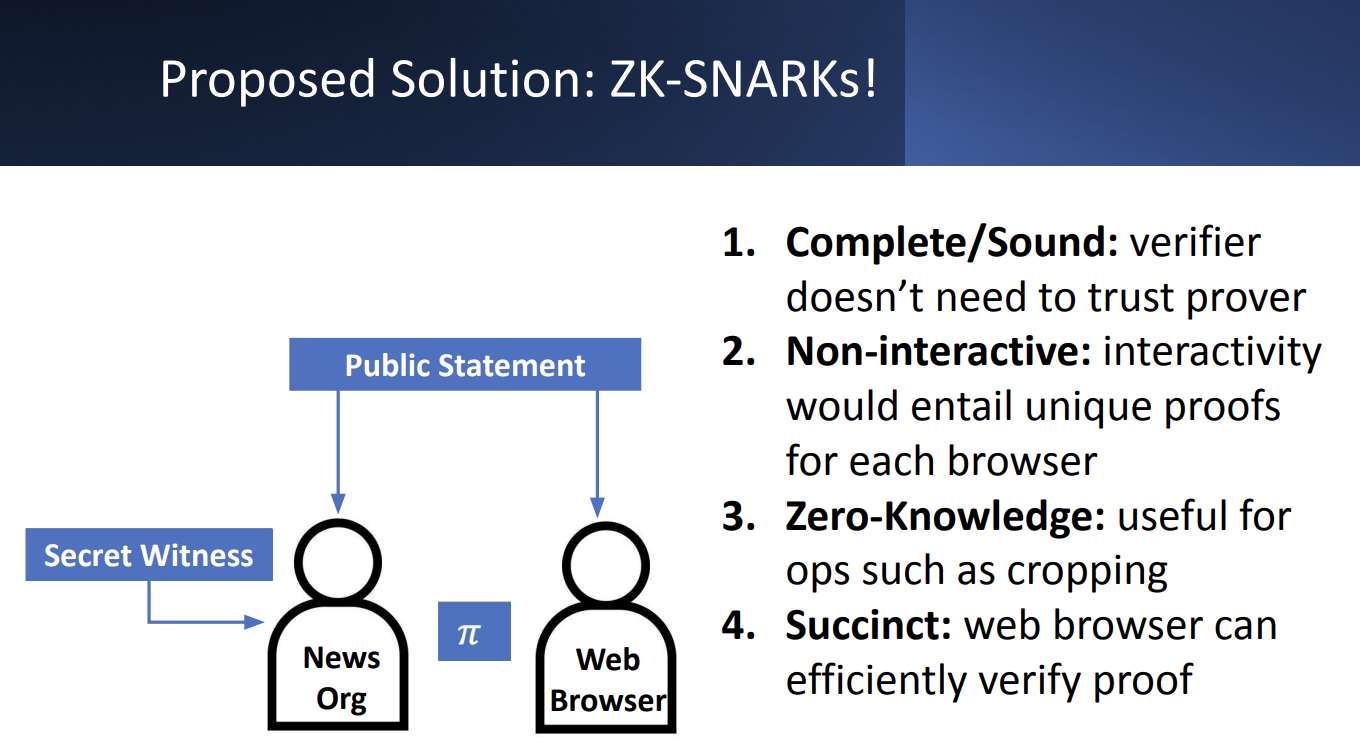
In partnership with our principal investigator’s Professor Dan Boneh’s students from the Stanford Applied Cryptography Group, Starling developed a workflow that integrates forensic ingestion with cryptographic proof systems, and managed redactions.
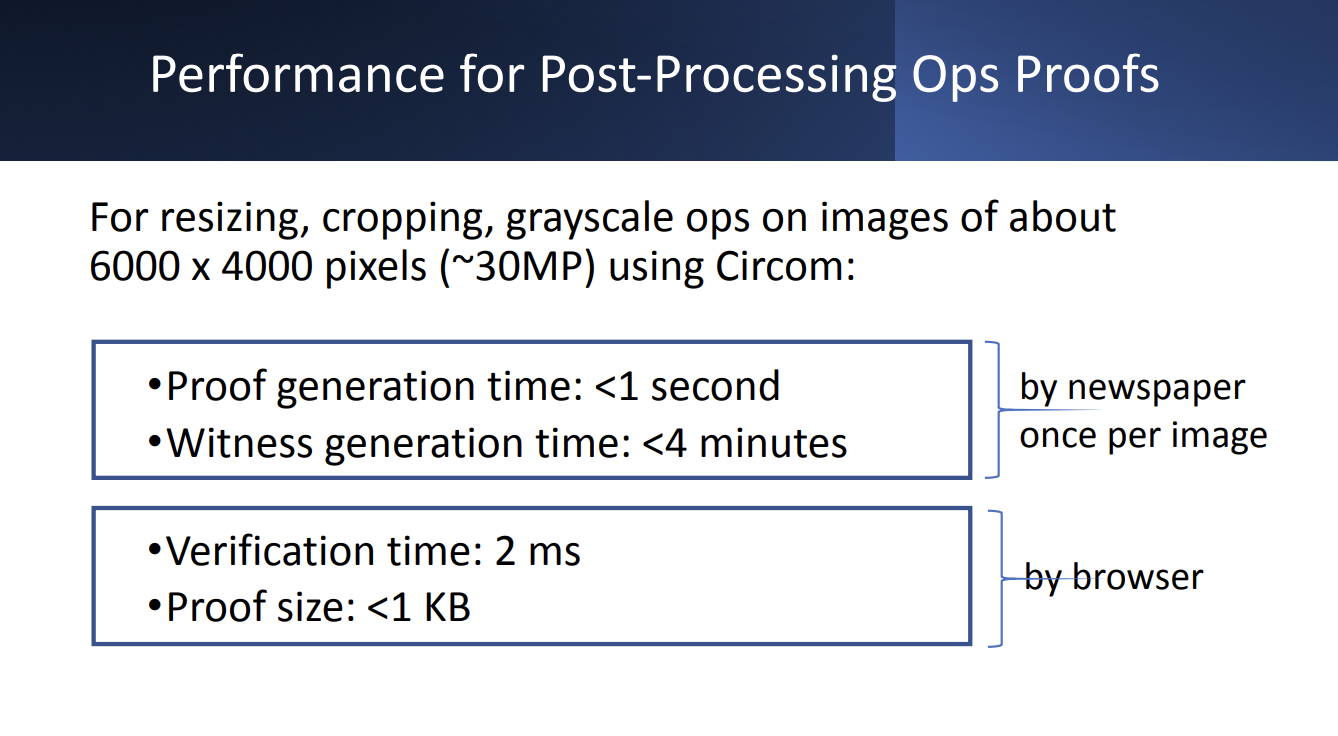
It relies on a Zero-Knowledge Proof that certifies the relationship between the original and the redacted file. This technology generates a mathematical proof that the only changes made to the published PDF were the addition of black boxes over specific pixels. This allows third parties, such as expert witnesses, to “check the math” and verify that no text was altered or deleted, maintaining the document’s integrity while fulfilling privacy obligations
JOURNALISM
Verifiable Redaction allows newsrooms to protect the privacy of vulnerable bystanders without sacrificing the credibility of their reporting. By providing a cryptographic guarantee that only specific PII was obscured, journalists can defend their primary sources against bad-faith accusations of manipulation.
HISTORY
This technology safeguards the sanctity of historical records by ensuring that “anonymized” archives remain verifiable links to the past.
LAW
Verifiable Redaction establishes a court-admissible chain of custody for documents containing sensitive material. ZKPs benefit can facilitate the verification of proprietary forensic software, complex discovery datasets, and sensitive testimonial claims without compromising the underlying trade secrets or personal privacy that often create insurmountable disclosure dilemmas.