


5G Network Attestation
Planned

Validating device metadata through fixed network infrastructure and reputable independent observers to establish trust in captured data.
YEAR
2024
PARTNERS
T-Mobile
Deutsche Telekom
Vonage
LINKS
– UN submission: Authenticity for human rights defenders in remote areas
The Problem
Mobile phones allow journalists to capture and transmit digital media with contextual information. However, since mobile phones are controlled by the end users, they permit manipulation of all forms of metadata, like GPS spoofers to fake location data. It is not enough for the location data collected by the Starling Capture app to be derived from metadata recorded solely by that mobile phone; it must be cross-referenced against the data signals transmitted and received by GPS, WiFi, cell towers, and/or beacons so that there is third-party attestations that the mobile phone is reporting location data correctly.
The Solution
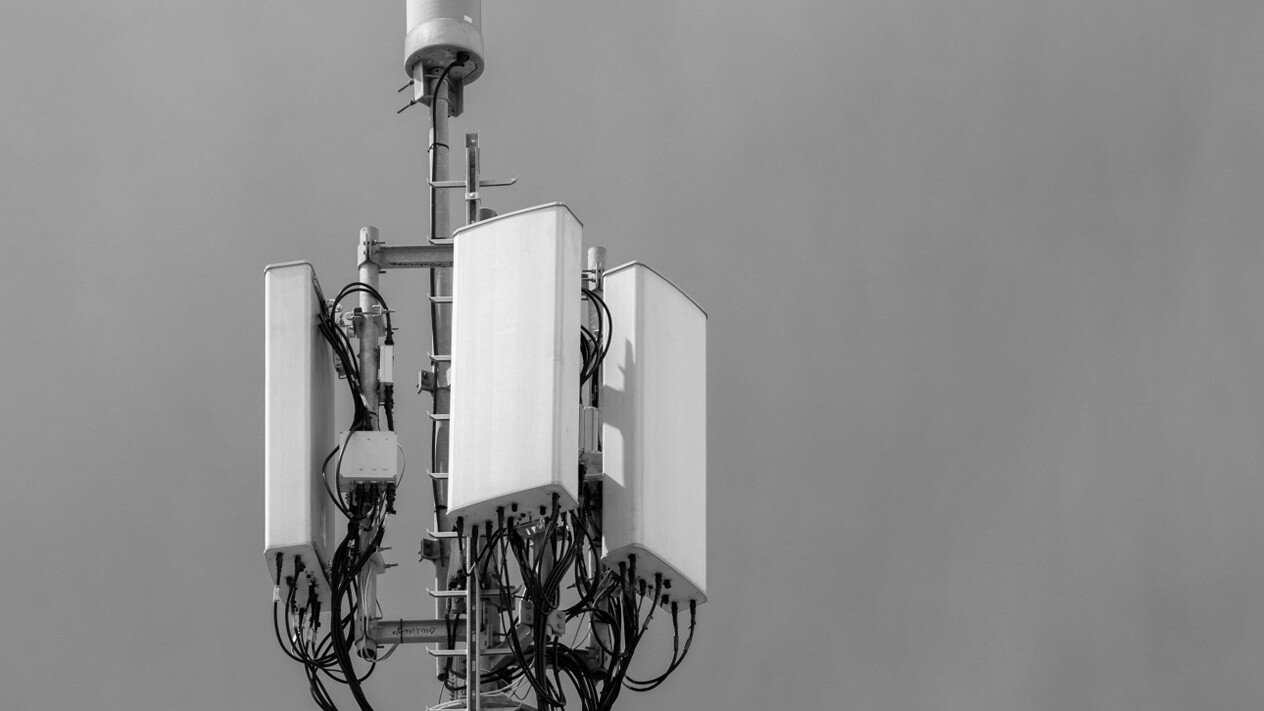
Starling Lab is moving the “trust anchor” from the individual handset to the fixed infrastructure of the 5G network. By utilizing the C1 Mini framework, we enable a new class of “Network Attestations” that treat the mobile carrier as a reputable, independent witness to the capture of digital evidence.
The core of this prototype is the C1 Mini application, which leverages the standardized CAMARA APIs (exposed via Vonage and Deutsche Telekom). Instead of relying on easily phished 2FA codes, the system uses Silent Network Authentication (SNA). This process cryptographically verifies the unique identity of the subscriber’s SIM card directly with the carrier’s core network in the background. This ensures that the data registration request is coming from a legitimate, physical device authenticated by the network operator, not a spoofed virtual instance.
To support practitioners in remote or high-risk areas, the C1 Mini facilitates the “expedited registration” of asset fingerprints. Users can transmit the cryptographic hash of a photo or video via a secure SMS tunnel to a Starling registration server. This allows for a “proof of existence” to be anchored on a decentralized ledger (such as Solana or Hedera) even in low-bandwidth environments where uploading large raw files is impossible. This creates a tamper-evident timestamp that is significantly harder to manipulate than a device’s internal system clock.
This creates a multi-layered defense against disinformation: a hardware-signed image, a network-verified location, and a decentralized timestamp, all established at the point of capture.
